u/paukshop

▲ 197 r/anime

Short & Sweet: Botan Kamina Fully Blossoms in Artwork

Nothing wrong with deferring to support mechanisms if you don’t get it.

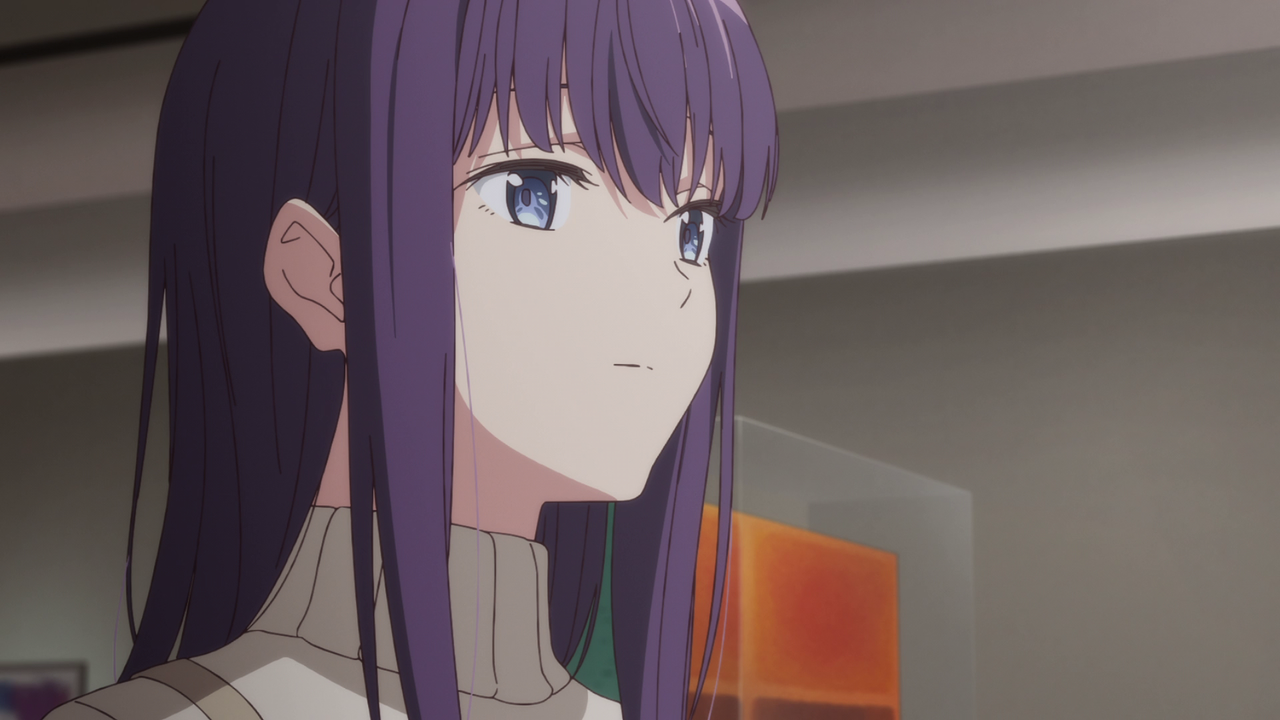
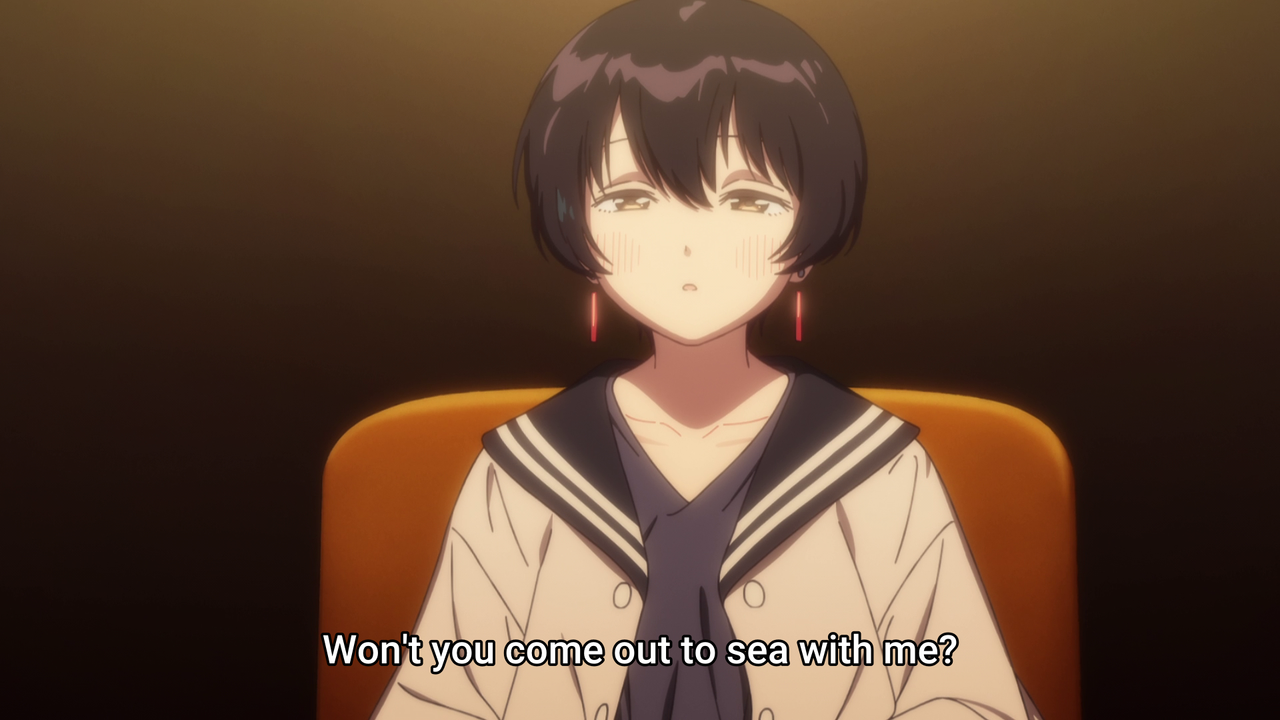
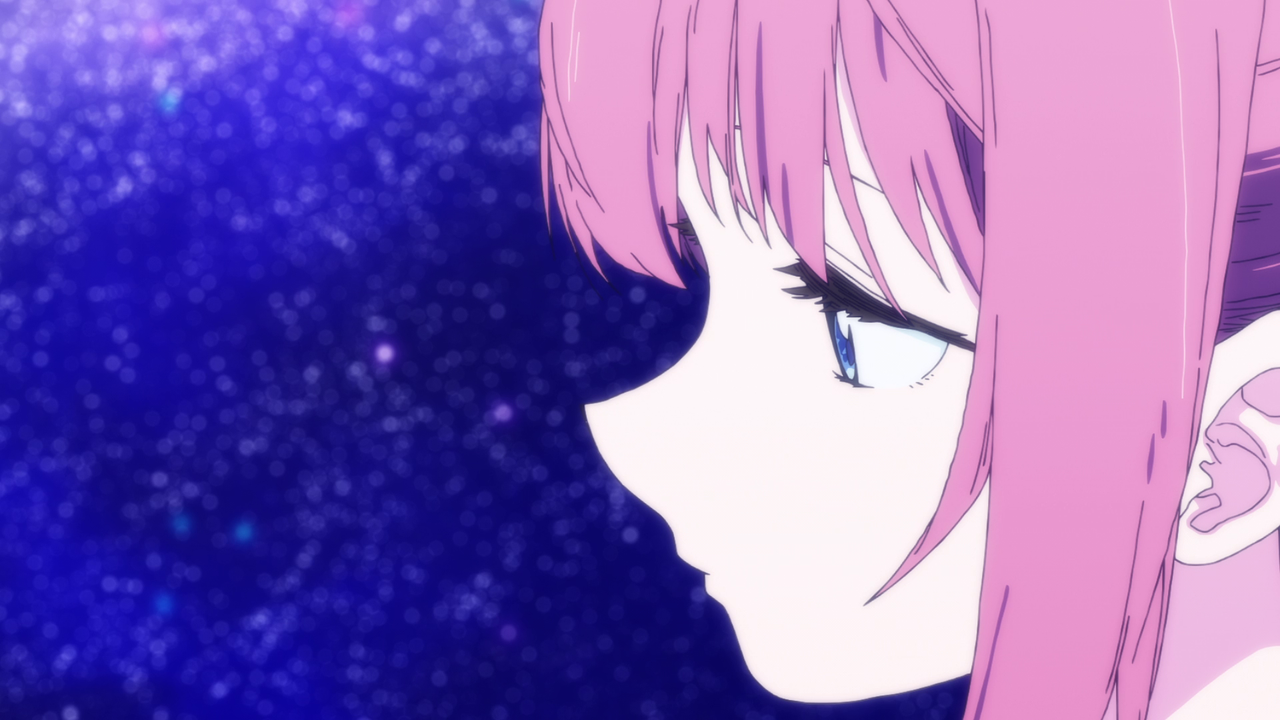
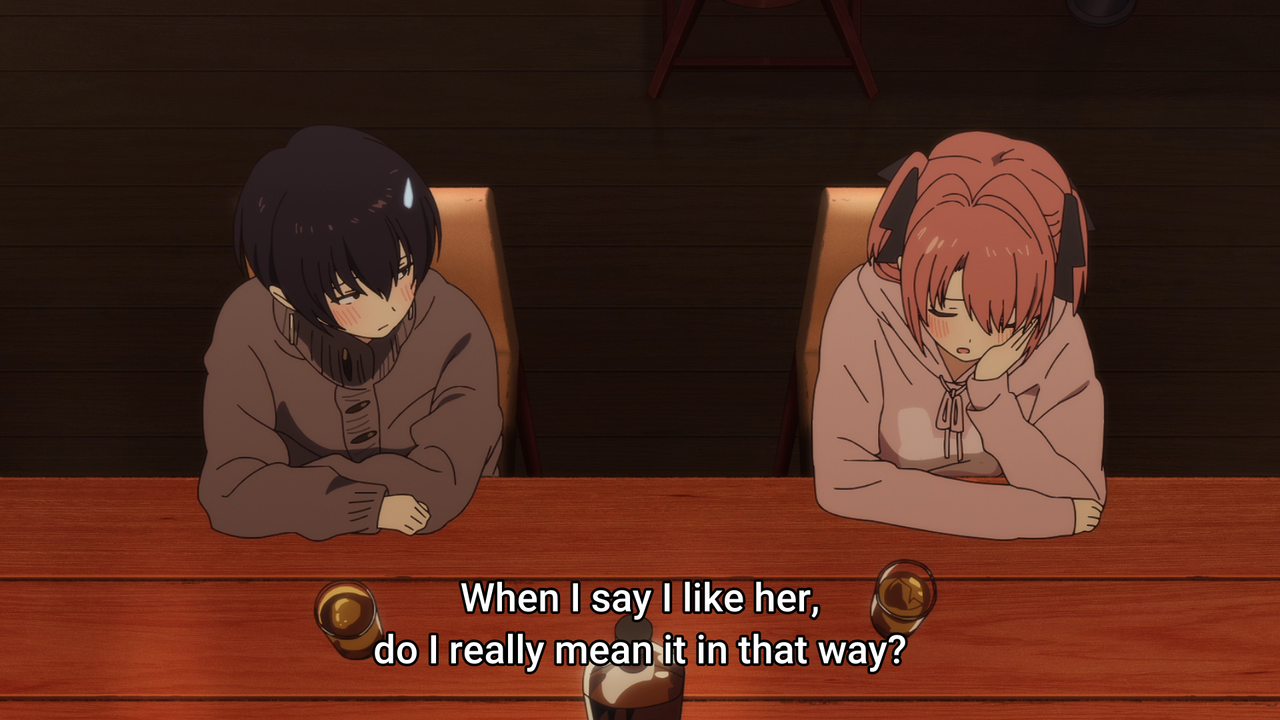
Words I’ll take to heart, Chin-lan. Welcome back to Short & Sweet, where members of the r/anime Awards Off Season team talk about their favorite scenes in anime. It’s time for an art lesson as I delve into the meaning behind the paintings depicted in the tenth episode of Botan Kamiina Fully Blossoms When Drunk, with the help of “support mechanisms” (AKA art history articles on the Internet). To help viewers understand Kanade Gujou’s rapidly deteriorating mental state (poor girl), the show places her in front of numerous compositions meant to underline her feelings. 

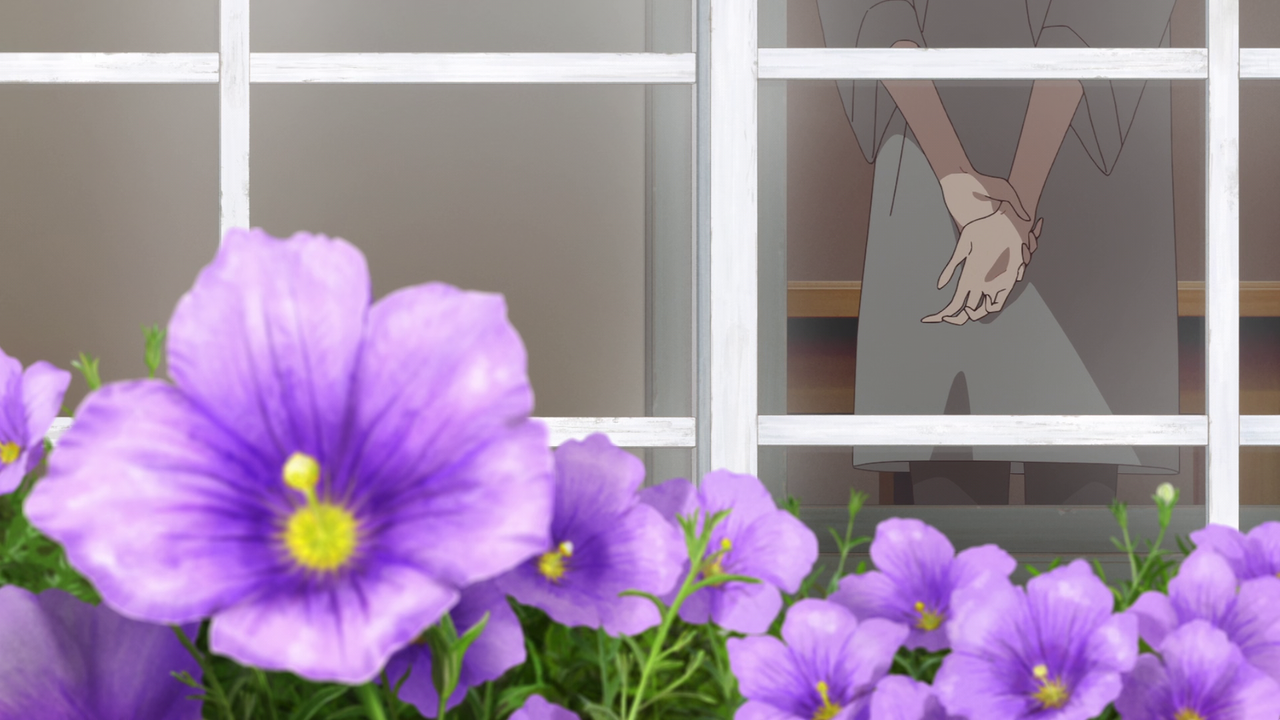
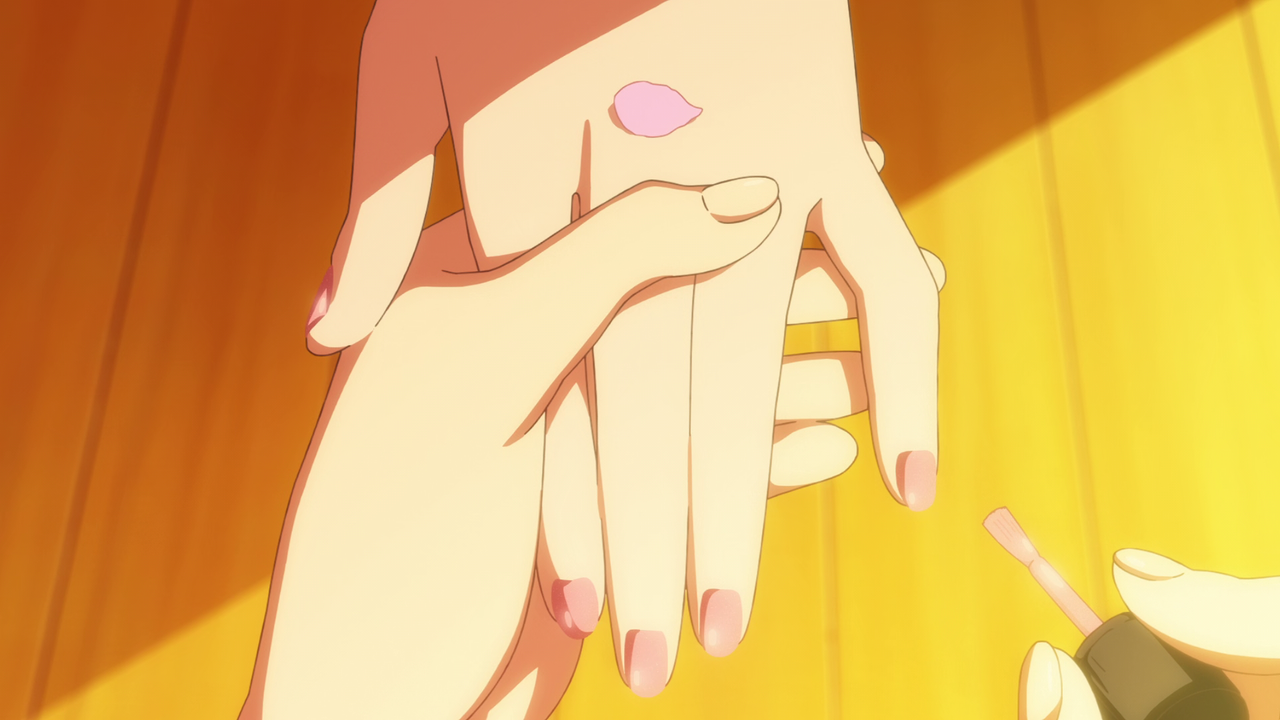
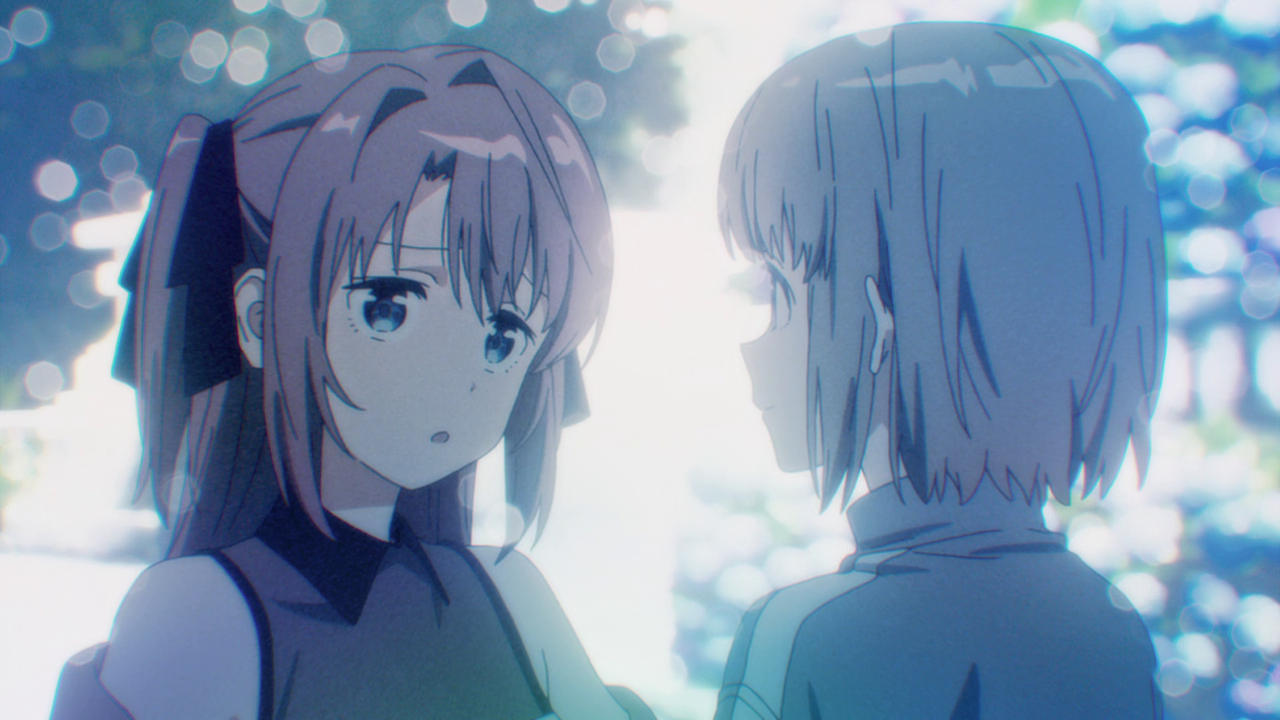
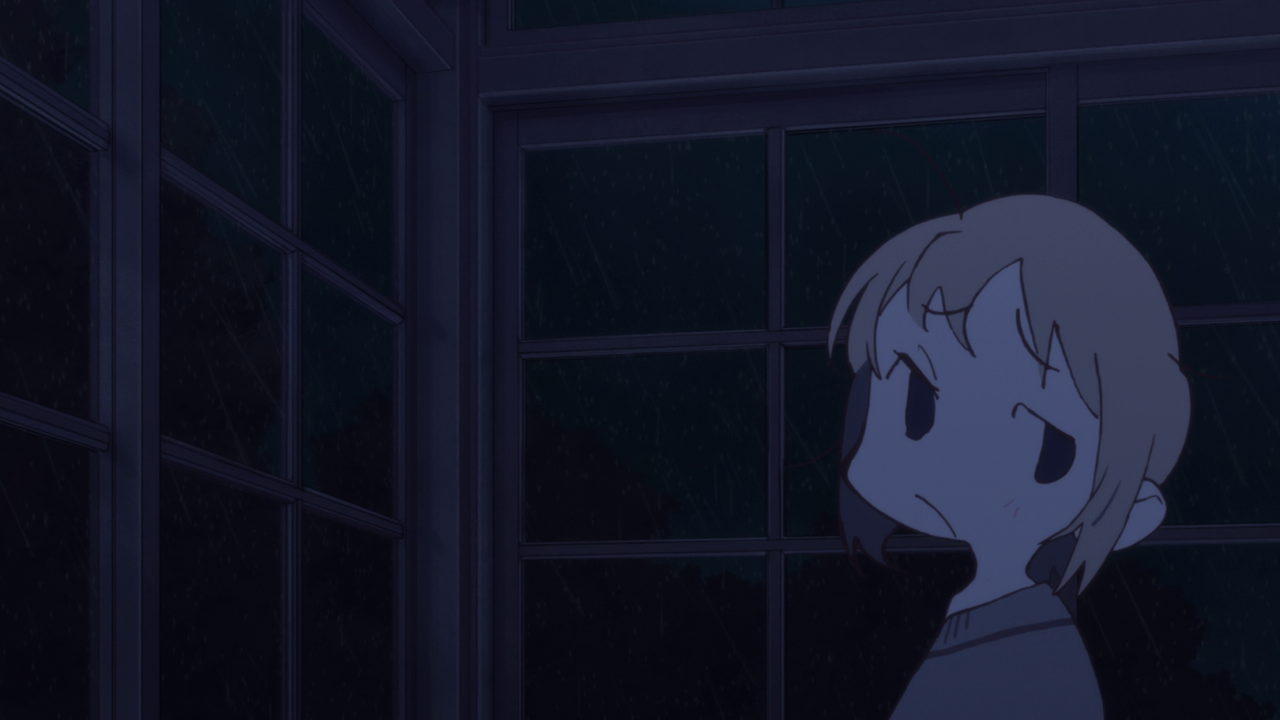
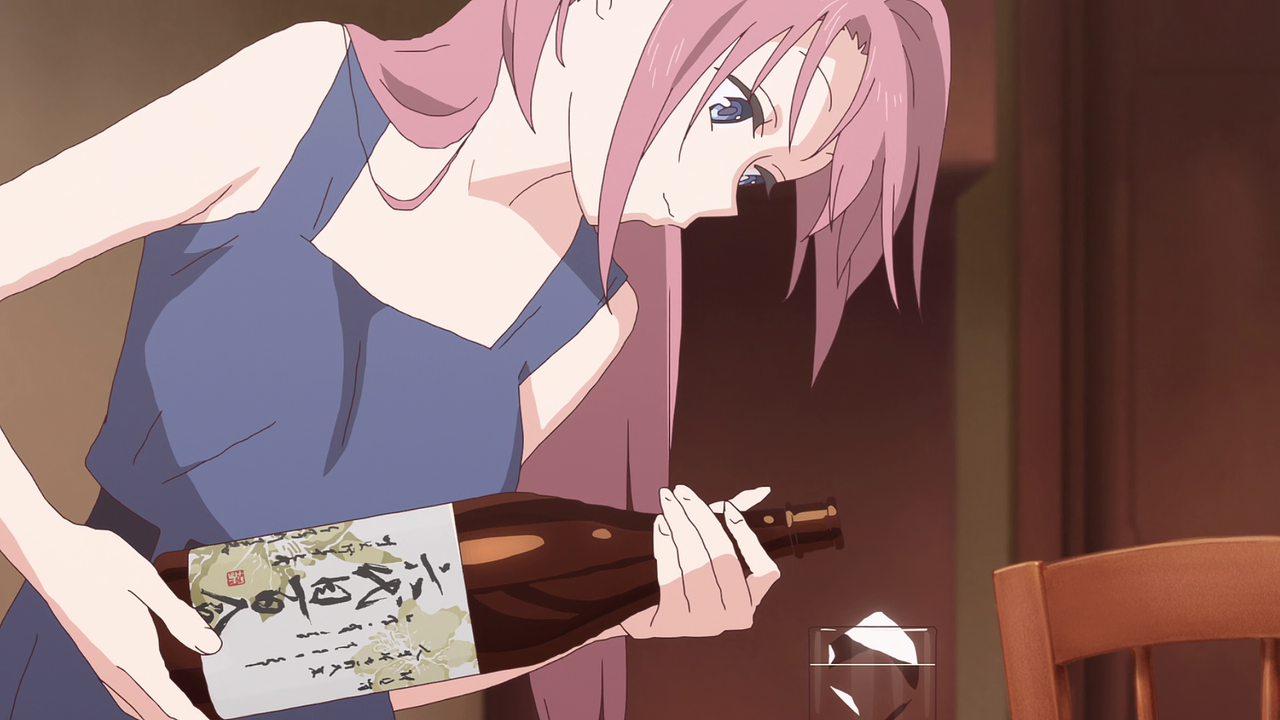
Very helpfully, the show quickly points out that the girls are visiting the Pola Museum of Art located in Hakone.^(1) This exhibit boasts a large collection of foreign art, including works from Monet, Picasso, and Van Gogh. In the first scene of the episode, Gujou stands in front of a painting featuring two clasped hands wearing nail polish. The painted nails suggest that these hands belong to two women, visually depicting Gujou’s sapphic desire for a romantic relationship with Ibuki. She mirrors the painting with her own hands, her body language giving away her longing for this dreamlike, pastel-colored world.
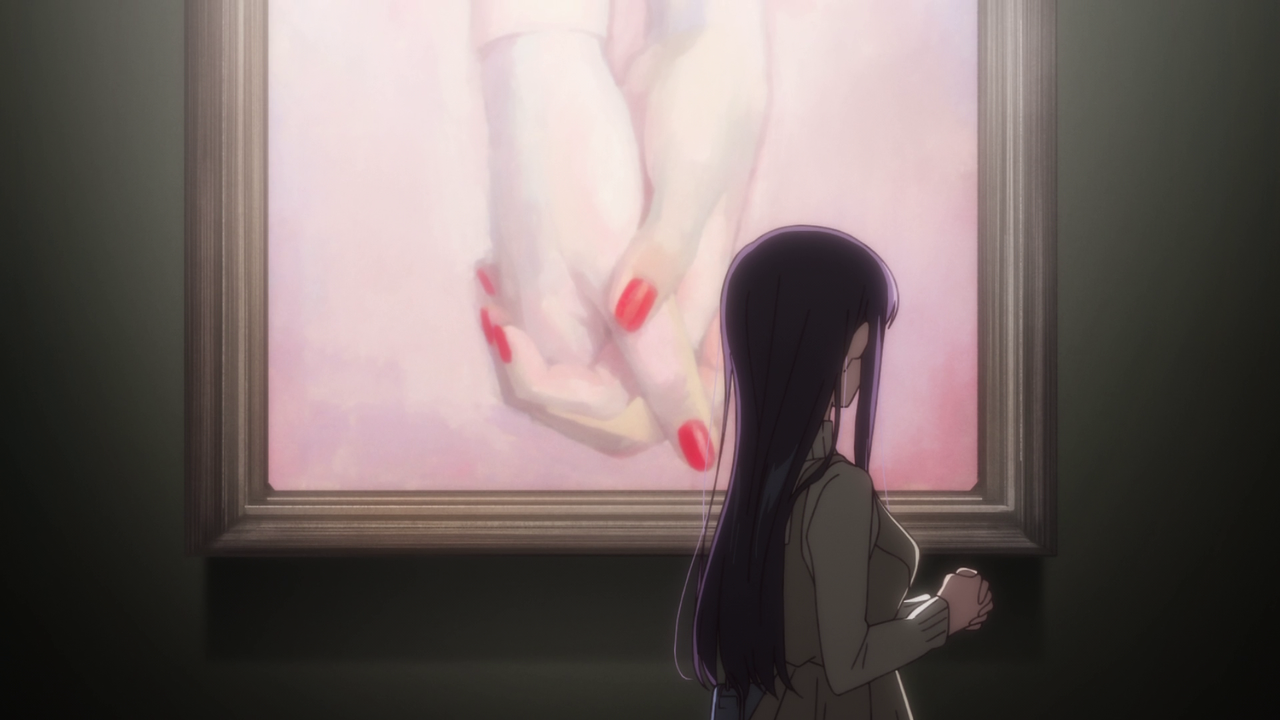
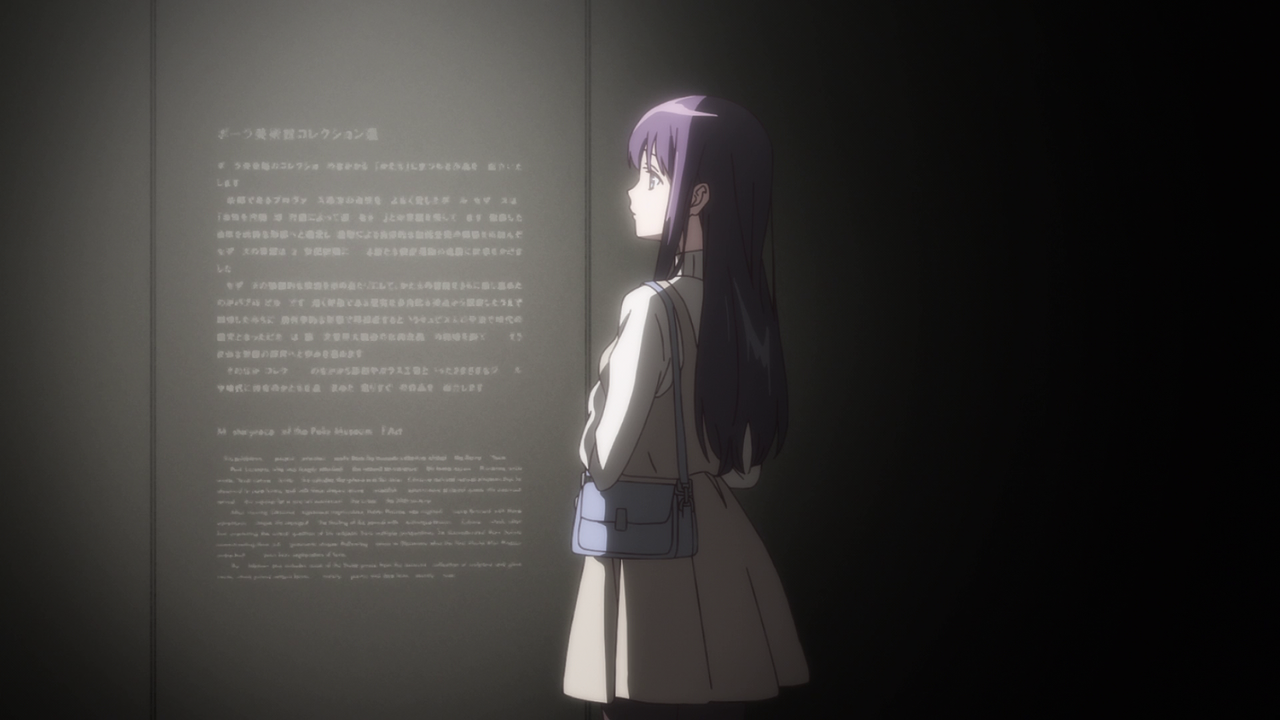
The signboard next to Gujou points out several artists who belong to the Impressionism and Post-Impressionism movements. But this piece in particular seems antithetical to that school of thought: it hides the brushstrokes, emphasizes the shadows in the gaps between fingers, and presents the subject as clearly distinct from the background.^(2) This painting highlights the hands alone, in stark contrast to Impressionist artists like Monet, who preferred the totality of the scene. It’s a bit of a liberal interpretation, but to me it makes clear that Gujou is hyperfocused on that romantic gesture of handholding as opposed to appreciating everything as a whole. Perhaps a red flag about how Gujou approaches her love for an idealized Ibuki. 
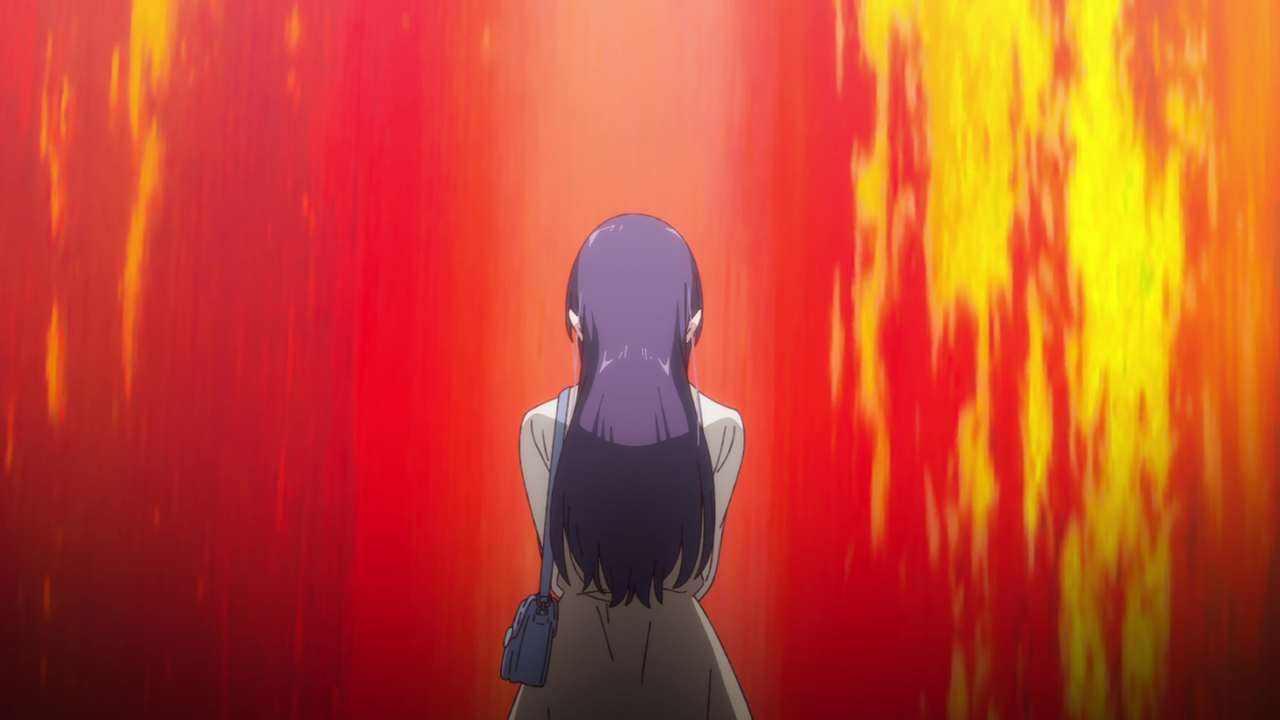
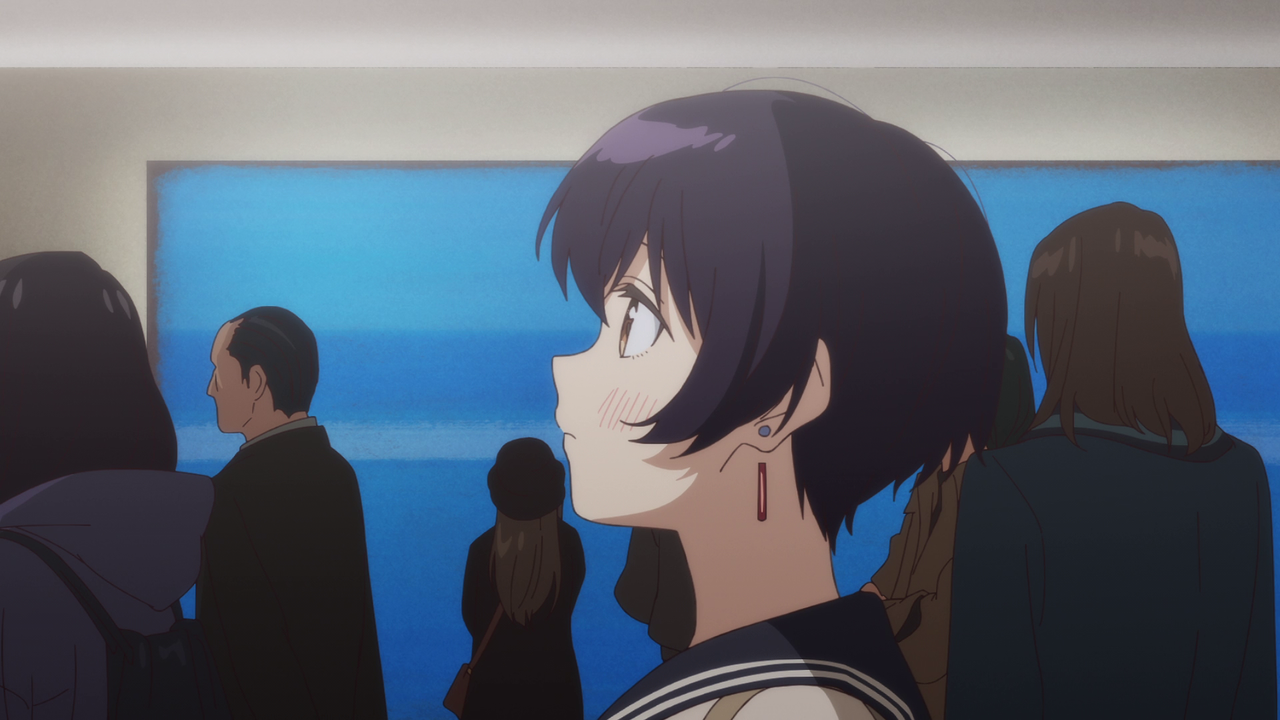
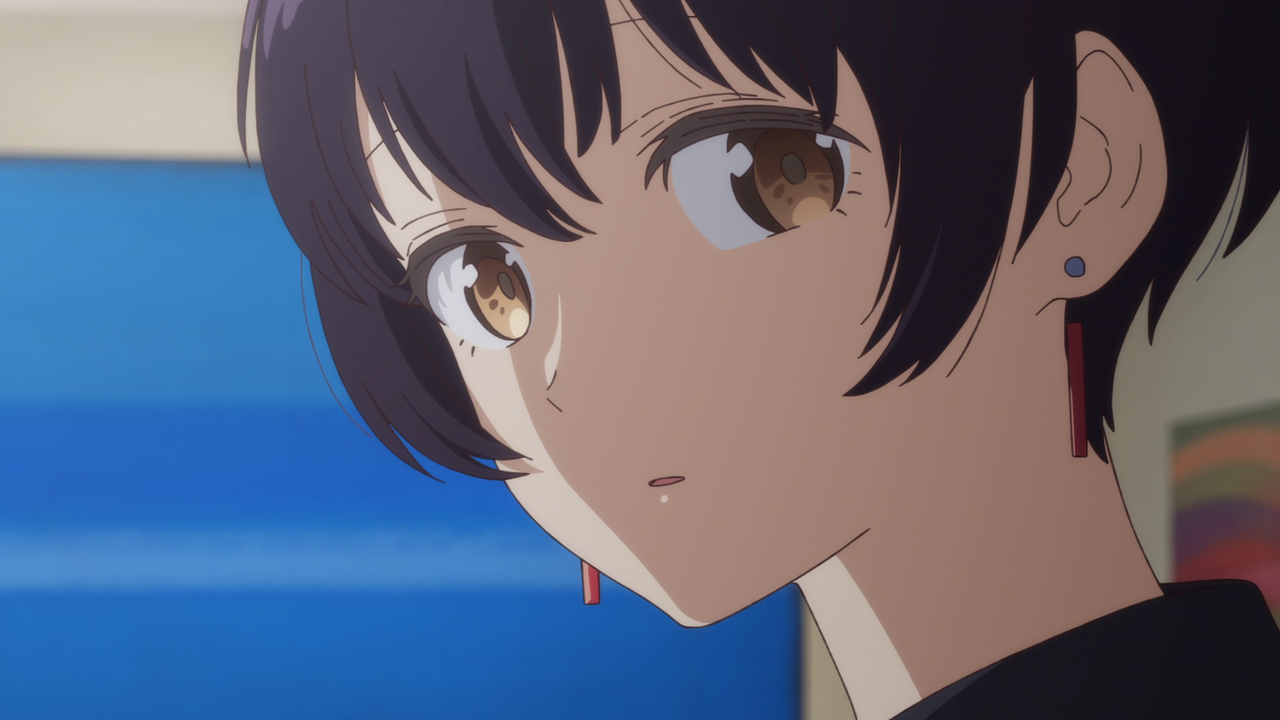
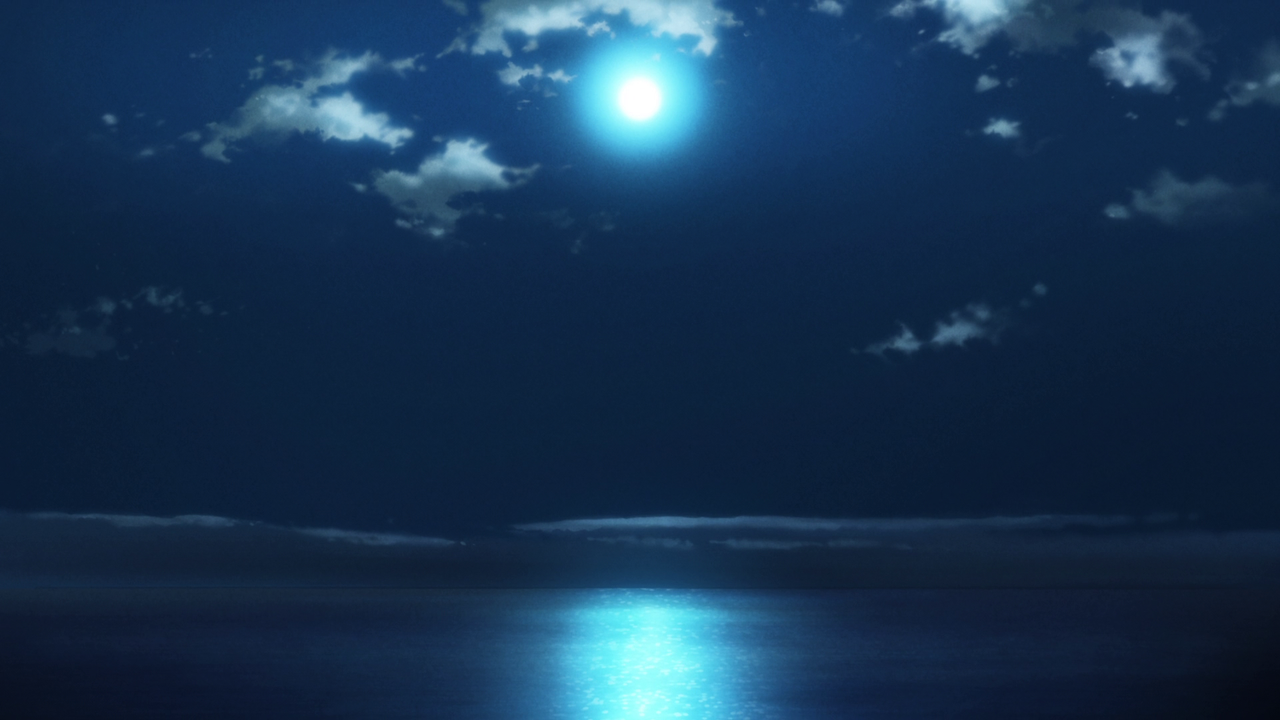
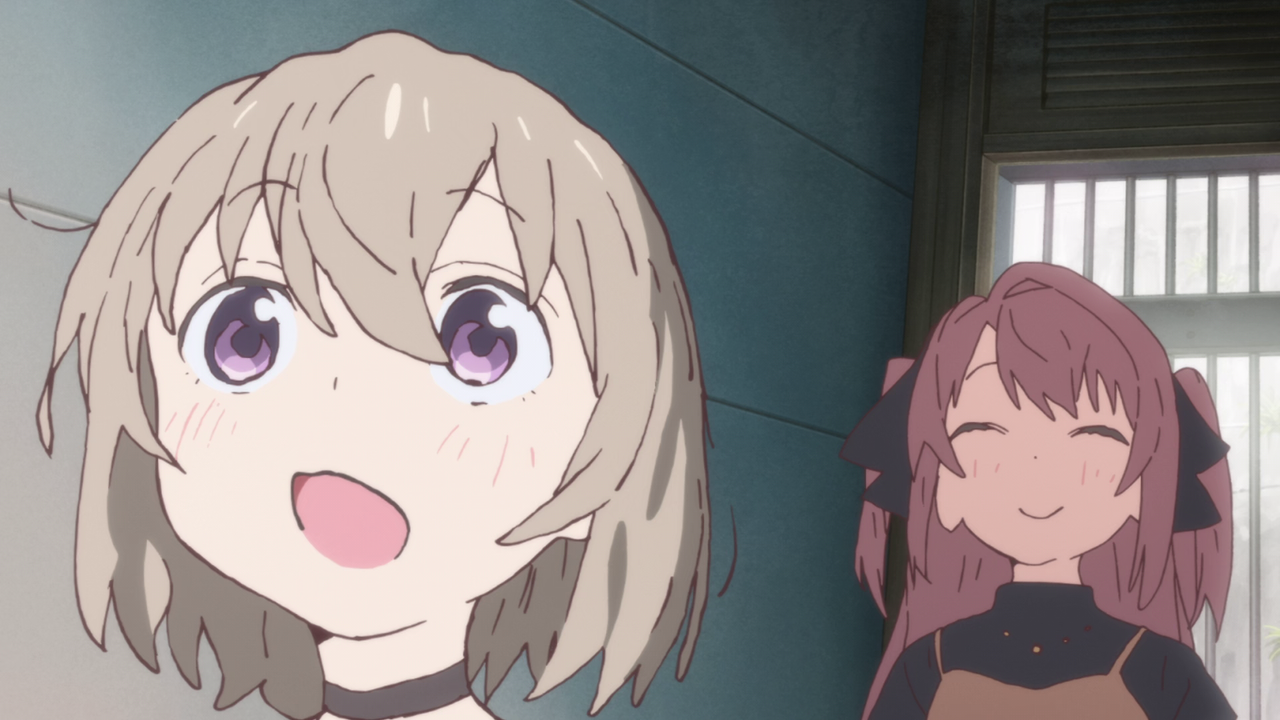
Next, the cast explores a visiting exhibition, which looks inspired by color field painting. Popularized by artists like Mark Rothko, this art style is characterized by large planes of flat, solid color to evoke raw emotions without the assistance of forms or symbols.^(3,4) While Gujou wanders the exhibit, these vibrant red paintings constantly catch the viewer’s eyes. They reflect the passionate yet unrequited love she feels towards Ibuki and how that inner turmoil overwhelms her. Meanwhile, Chin-lan is frequently placed in front of the same style of painting but in cool blues. Not only does this foreshadow their later conversation, in which Chin-lan encourages Gujou to join her at a metaphorical sea, but it also contrasts with the more intense and painful feelings that are tied to the red paintings. Rothko famously noted how people have wept upon seeing his works because they reflect the most basic and relatable emotions back at them. And the audience can see that phenomenon in action as Gujou falls apart amidst these fields of red.  
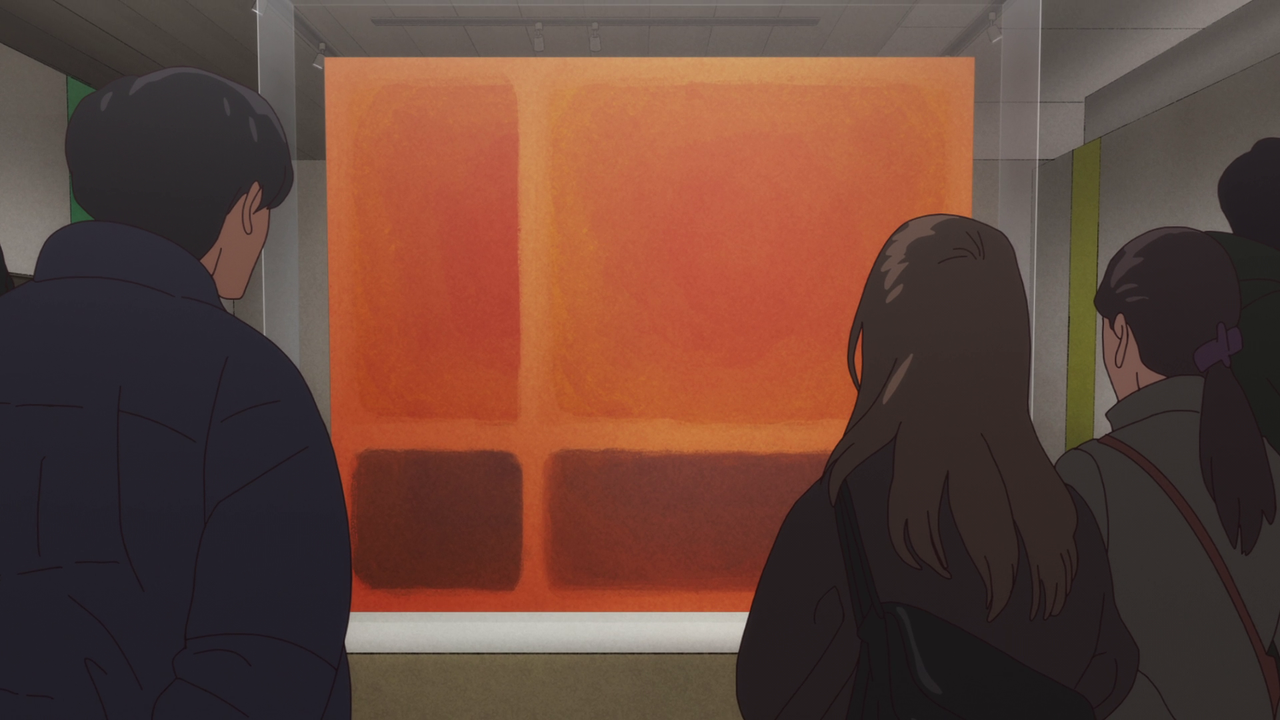
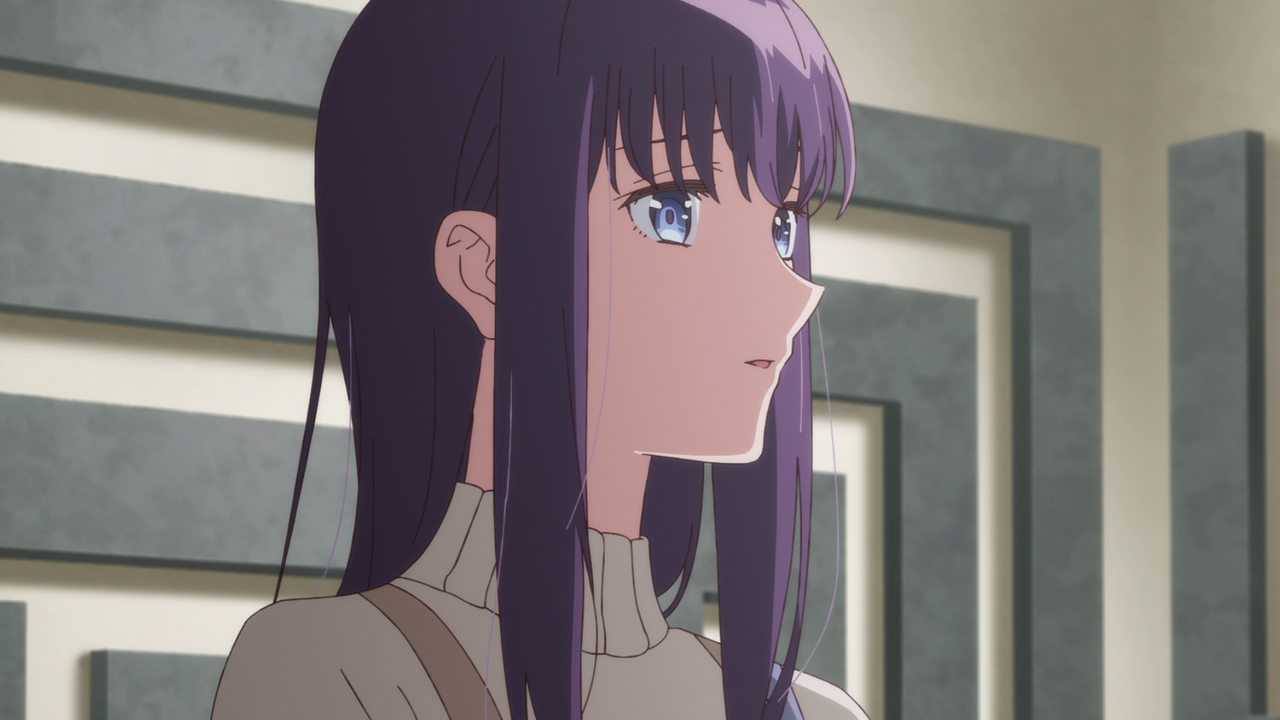
While the color field paintings were fairly easy to deduce, I did have to rely on some “support mechanisms” to better comprehend the other artwork discussed in this episode of Botan. While I’m okay with that, Gujou would go on to bemoan her need for support mechanisms, conflating her ability to decipher art with her understanding of Ibuki. No matter what she reads or what she learns, she’ll never “get” Ibuki like Botan does. This short escapade to the Pola Museum of art captures the highs and lows of Gujou’s tragic love life through its wide assortment of Impressionist and non-Impressionist art. 
References:

[1] Pola Museum of Art, www.polamuseum.or.jp/en/

[2] “Impressionism: Art and Modernity.” The Metropolitan Museum of Art, www.metmuseum.org/essays/impressionism-art-and-modernity

[3] “Mark Rothko.” The Museum of Modern Art, www.moma.org/artists/5047-mark-rothko

[4] “Mark Rothko’s Color Fields.” Teravarna, www.teravarna.com/post/mark-rothko-s-color-fields

u/paukshop — 5 hours ago
▲ 124 r/anime

Short & Sweet | Botan Kamiina Fully Blossoms When Awkward

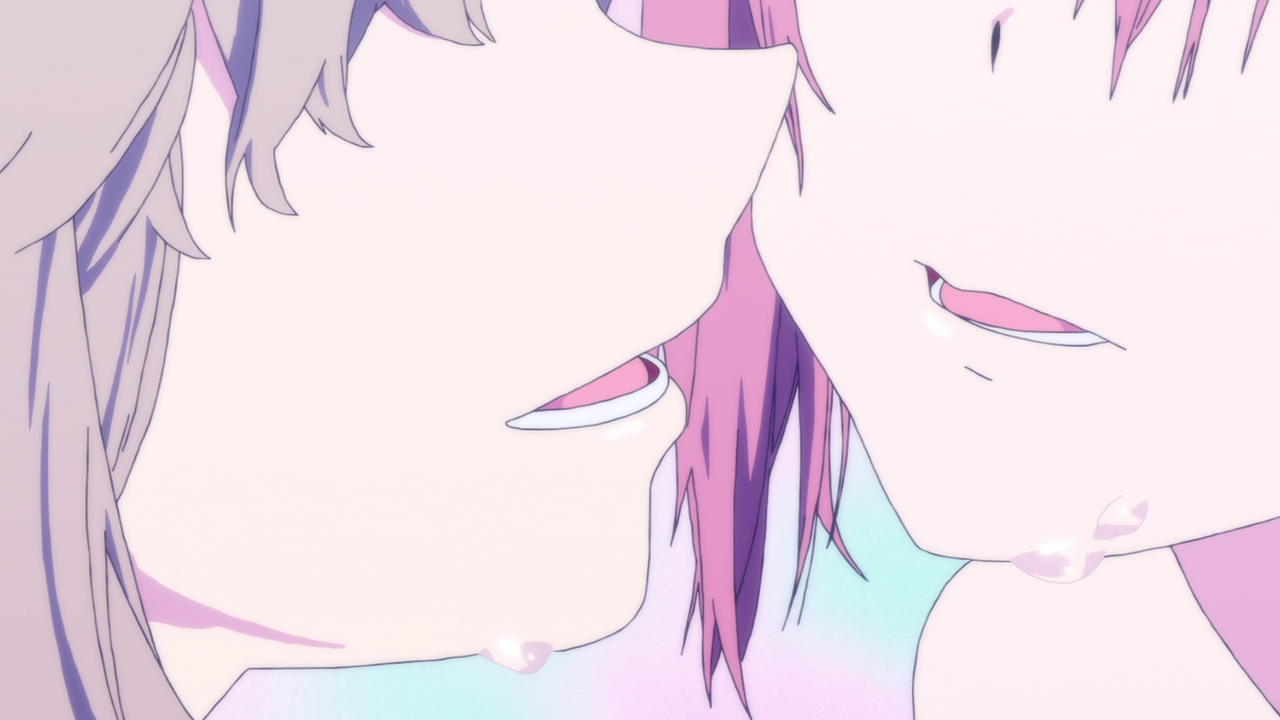
Come closer. Even closer. Not that close. Much like the distance between us now, this essay is Short & Sweet. Today we’ll be discussing the ninth episode of Botan Kamiina Fully Blossoms When Drunk. There’s the elephant in the room we could address, but instead, I want to talk about the events leading up to it. Just as important as the catharsis at the end is the anticipation that precedes it. The force from a released spring comes from how tightly it was wound. But how does an anime generate this tension?

During the episode’s B-part, a sense of unease lingers over our leads. The normally lively Botan is unusually restrained, zoning out and speaking only a few words at a time. She forewarns Ibuki that she needs to tell her something. But we have to wait for the right moment. In the meanwhile, the show keeps the viewer unbalanced. Previously, I’ve spoken in depth about the ways Botan makes the viewer feel pleasant and jive with the scene’s atmosphere. But in episode nine, Botan demonstrates that it can do the opposite just as well through a handful of cinematography sins. 

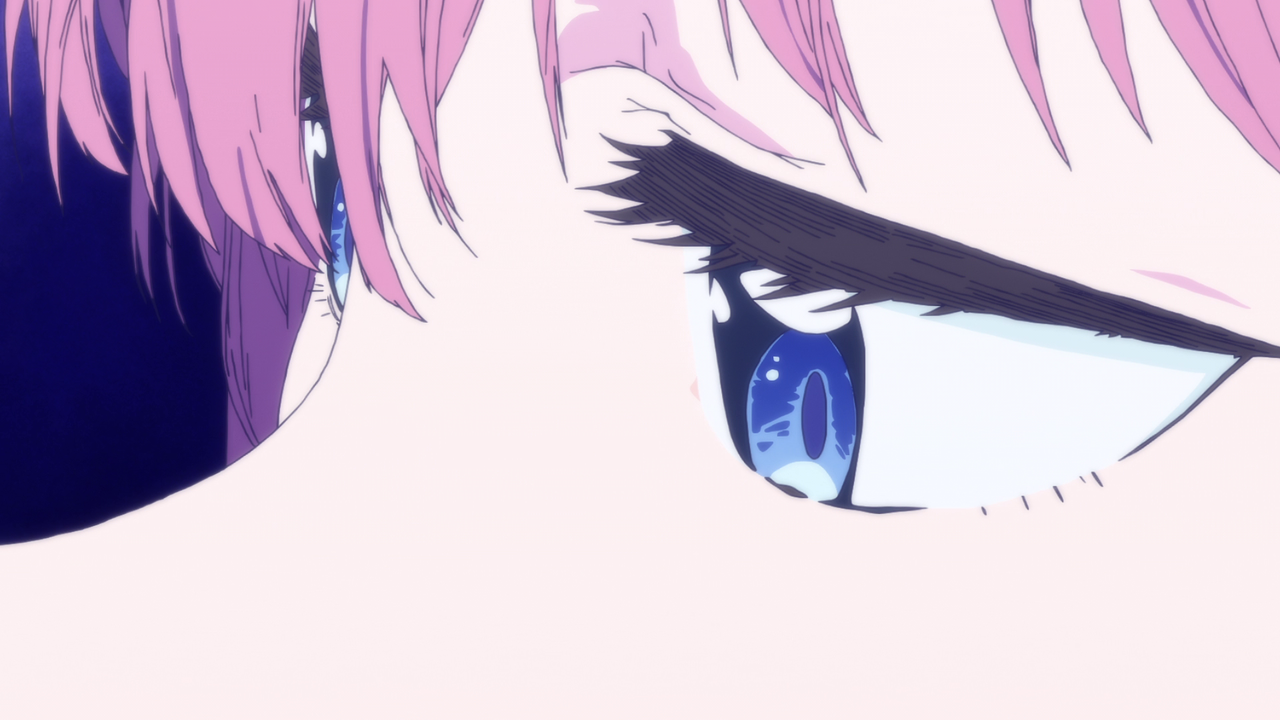
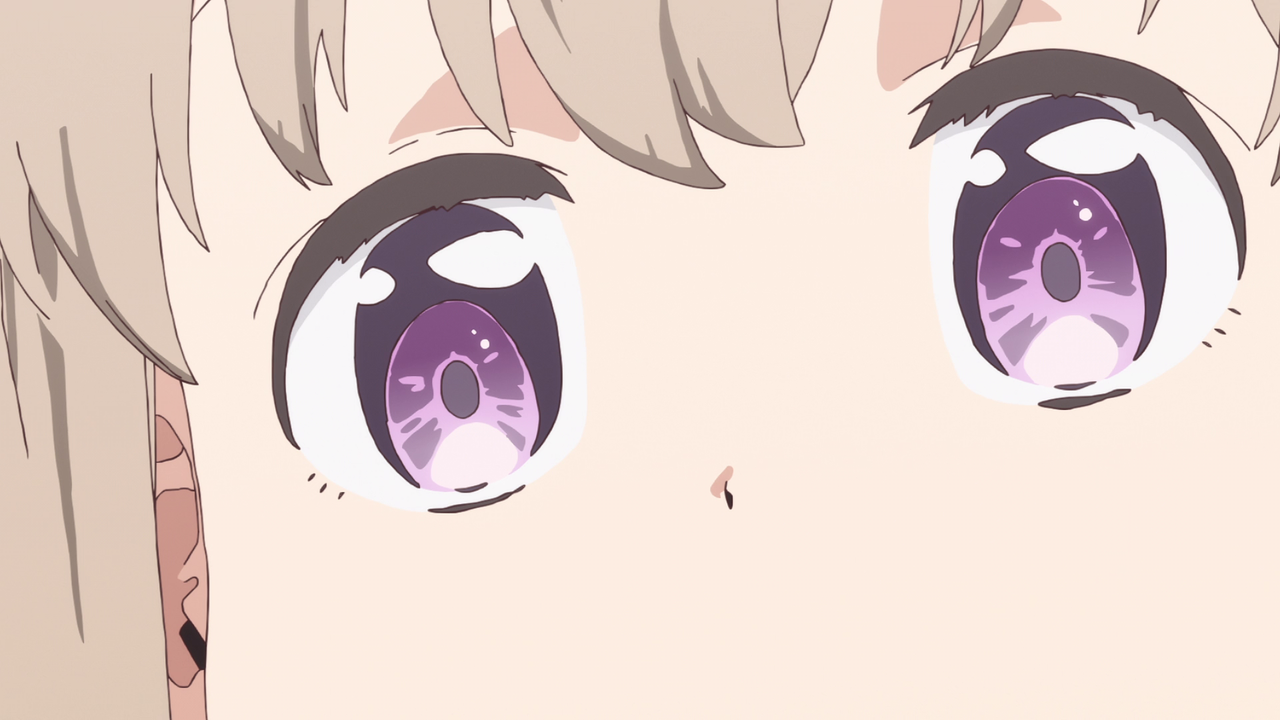
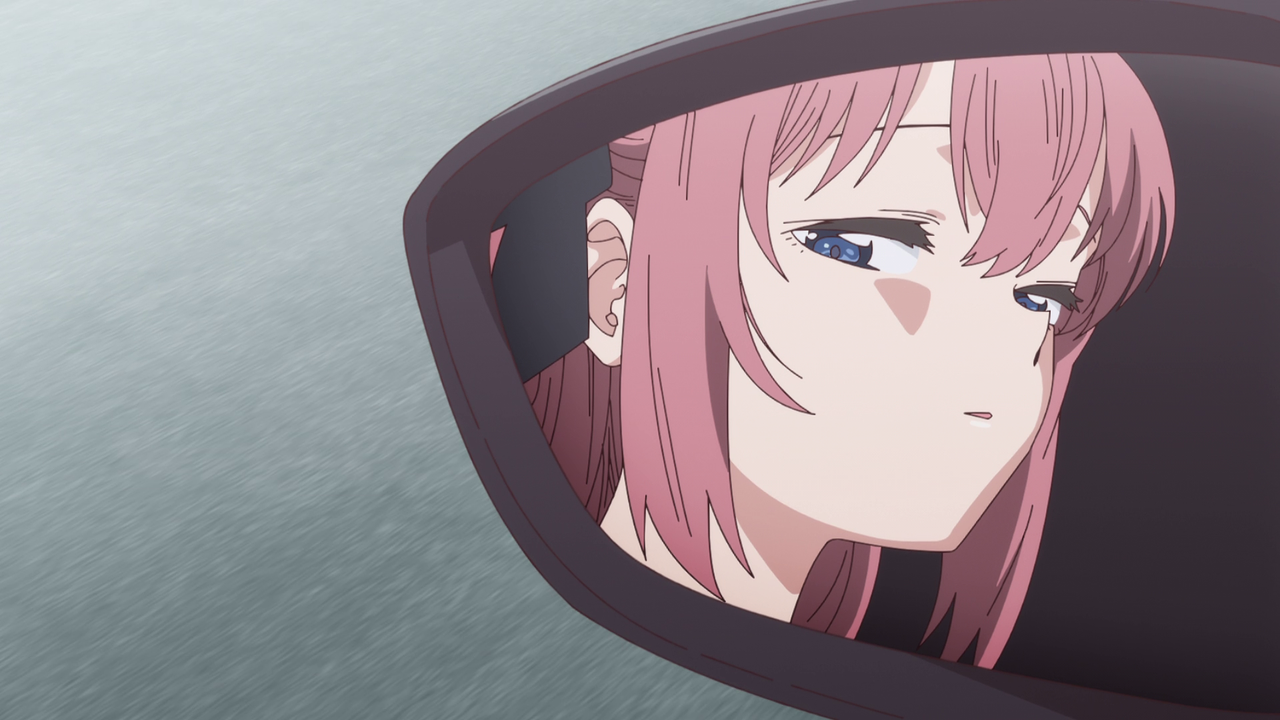
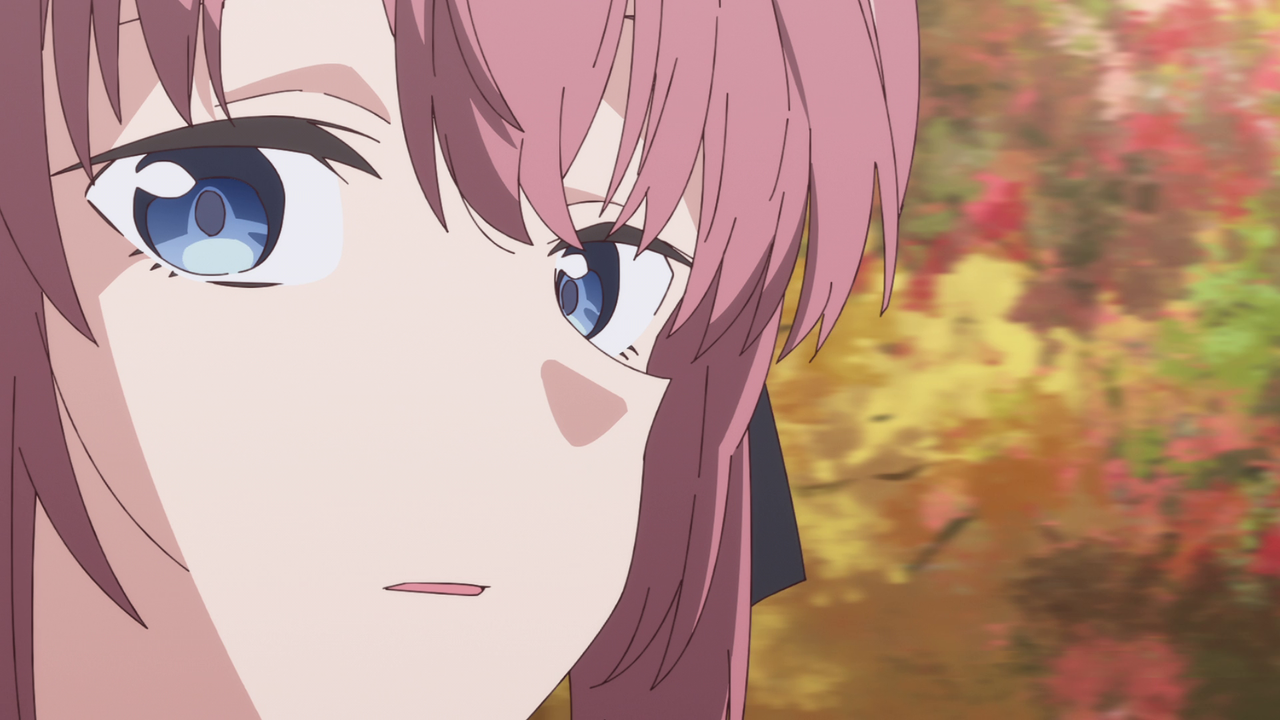
One way Botan Kamiina “breaks” the rules is through its uncomfortable use of way-too-close-up shots. Typically, these types of cuts are when the camera gets nice and close to the characters’ faces, tightly framing them in the composition. Close-ups have a number of practical purposes, such as revealing details or emphasizing a character’s expression. For instance, this episode contains several close-ups of a conflicted and pensive Botan that depicts her anxiety. But it isn’t always about what is shown. It’s about how the viewer feels. When the camera crowds a character’s face, the viewer experiences a sense of claustrophobia. This car conversation between Botan and Ibuki feels innocuous on the surface, but as Botan remembers Ibuki’s desire for a shift in their relationship, these choker close-ups remind the viewer of those unresolved feelings. Until they have a proper conversation, they’re trapped in this “will-they-won’t-they” conundrum that is as awkward for the viewers as it is for the viewers. 

This episode then breaks another cardinal rule of film: the 180-degree rule. In film, the 180-degree rule dictates that the characters must face a consistent way to maintain their spatial relationship and avoid disorienting the viewer. When cutting between characters in a conversation, Character A should always speak towards the location where Character B is positioned. In this sequence, Botan, even in close ups, should speak to the right, and Ibuki to the left. If Character A is shown standing to the left of their partner but also looks left to face them, then the audience’s mental map is disrupted and their immersion is ruined. But sometimes, Botan is talking in the opposite direction. While eating BBQ, Ibuki remarks how happy she feels to be spending time with Botan. The camera places Ibuki to the right of Botan, so she looks a little to the left of the frame. But Botan, still trying to define their relationship, oddly faces left as well, offering no response. She is still looking at Ibuki, who is to the right in the wide but the left in the close-up—the camera has crossed the axis of action, changing where Botan has to face and breaking the 180-degree rule. As a result, the audience struggles to place the characters in space, mirroring the way Botan can’t quite gauge the emotional distance between herself and Ibuki. Without consistent screen direction, the viewer feels lost. Yet, the audience can easily tell that the girls are not seeing eye to eye. 

Oftentimes for me, it’s much more interesting to observe how a show intentionally breaks the rules of film than how it adheres to them. Especially for a production as deft as Botan, it demonstrates the director’s strong understanding of the medium to turn the viewers’ natural psychological responses against them. Through this incredible direction, Botan delivers a stunning climax that converts awkwardness into intimacy. 

u/paukshop — 4 days ago
▲ 227 r/anime

Seasonal Short & Sweet | Botan Kamiina Fully Blossoms with Vocals

It’s time for another audiopilled edition of Short & Sweet, courtesy of the r/anime Awards Off-season team! This time, u/Cheezemansam and I wanted to take another listen to the eighth episode of Botan Kamiina Fully Blossoms When Drunk. The show’s unobtrusive soundtrack has been quietly doing its job all season, but in this episode it surprises the viewers with heavy use of vocal tracks as backing music. They are a clear departure from the more understated instrumental tracks, and that heightened feeling fits the quieter Akane unexpectedly well.

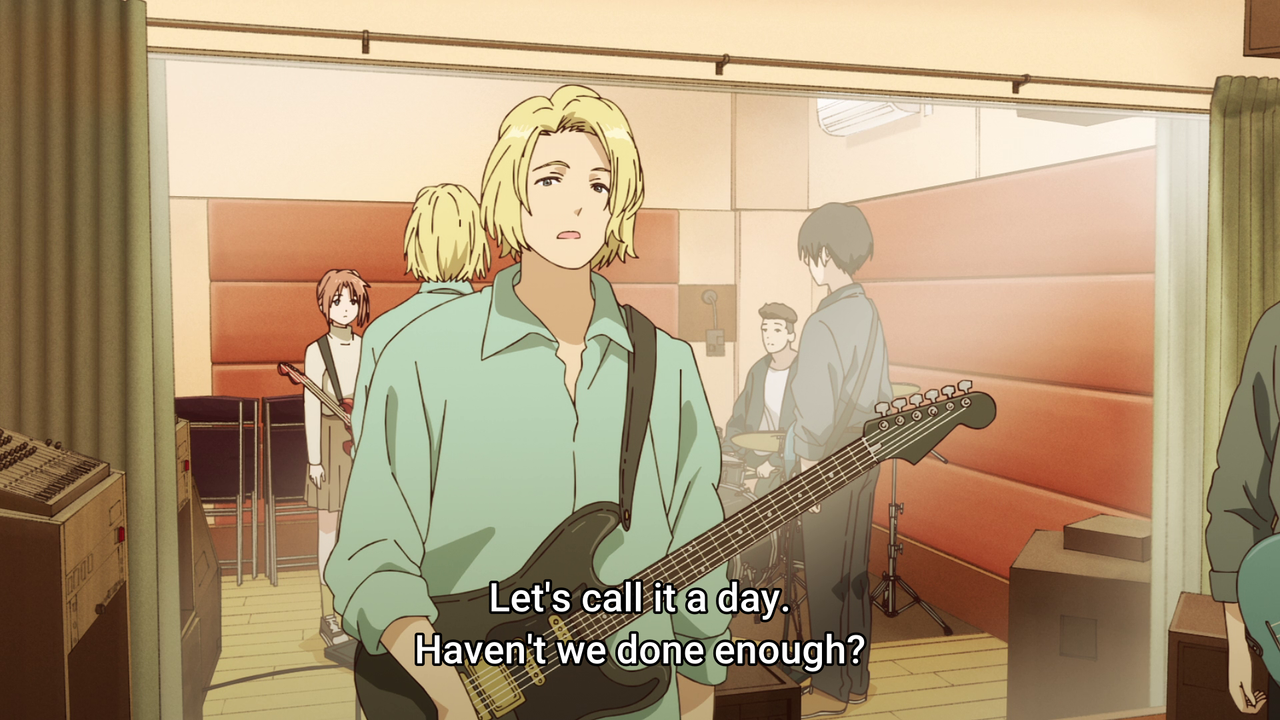
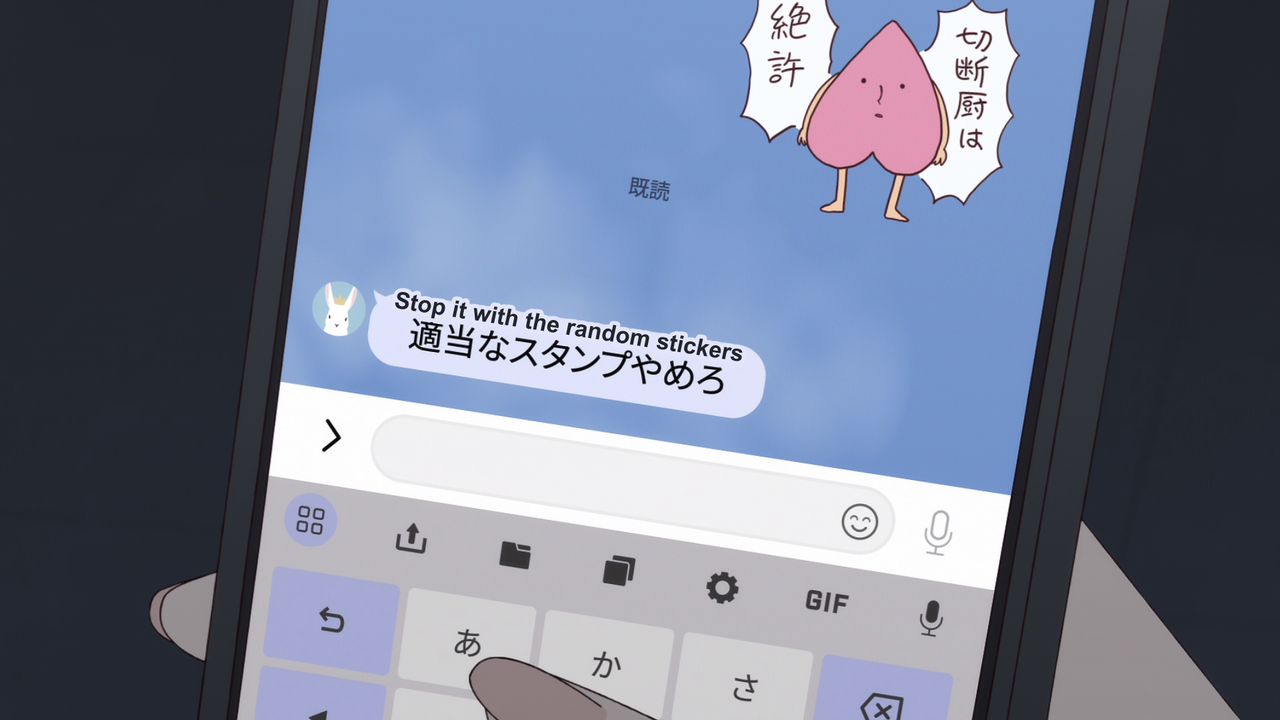
The episode centers on Akane’s struggles to find the right way to read the room. When she urges her band to practice more, they want to call it a day. When she overhears one of the members preparing for a new job opportunity, she keeps quiet to avoid creating drama. And when these band-related frustrations spill over into her interactions with her roommates, she’s gloomy and listless. Her text exchanges with Yaeka are emblematic of this struggle: despite how straightforward Yaeka’s questions are, Akane can only respond with vague stickers. Akane’s subdued passivity is frankly ruining everyone's vibe. She keeps her feelings folded up inside, unable to give them voice.

Where Akane shrinks into herself, the music fills the space. The vocal tracks become more audible, occupying the narrative space left by her silence. Akane cannot put her feelings into words, so the music voices them for her. The two tracks utilized in these moments are "Don’t" and "Wet" by yonige. Don’t is a song about alienation and non-conformity, and matches Akane’s exact problem on how to tackle her band and future. Wet on the other hand is a song about determination and finding the courage to push forward despite the rhythm of the world. After Yaeka scolds Akane and offers her support, Akane is able to relax and properly participate in their group activities. At the end of the A-part, Akane is able to read the room and cover for Botan and Chin-lan. Not only are these vocal tracks actively filling in the void of Akane’s silence, but they also align remarkably well with the story beats. 

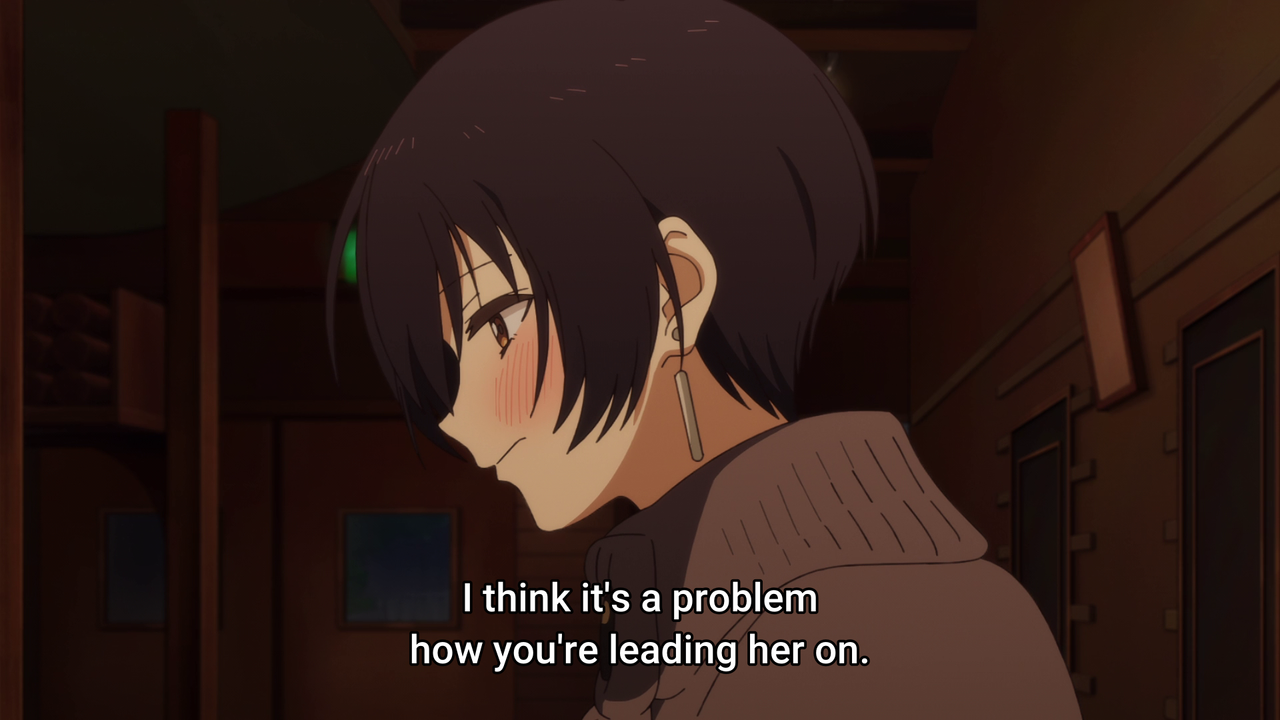
Following Akane’s little character arc, the subsequent conversation between Botan and Chin-lan at the bar creates an interesting point of contrast. There’s noticeably zero OST playing during their quite serious conversation about the relationship between Botan and Ibuki. Chin-lan is boldly (and a little drunkenly) interrogating Botan about her intentions and the clarity of these questions does not require any support from the music. Botan leaves Chin-lan with a vague answer, and there’s the sense that even Botan doesn’t quite know how to express their relationship. More important than Botan’s lack of an answer is Chin-lan’s emphatic callout. Her thoughtful gazes were also a focus while Wet was playing earlier in the episode, and accordingly she manages to match the lyrics and muster up the courage to have a serious conversation with Botan. Opposite to Akane at the start, the absence of the vocal track here highlights Chin-lan’s certainty in her words.

To return to Botan’s hesitance, she and Ibuki go on a picnic together in the B-part of the episode. And noticeably, the vocal tracks return for a nice montage of the two walking to the river. Once again, the vocal tracks fill in for Botan’s lack of resolution. The track, "しがないふたり", is about the fallout of a relationship where the participants become disillusioned with one another. It’s an apt song to describe Botan’s lack of confidence in how much she loves Ibuki. There’s the fear that this cute montage of cute girls doing cute things is just the result of a shallow friendship and not a deeper love. But Botan begins to believe that she does hold more intense affections for Ibuki. And as the song dies down, she wades into literally deeper waters, choosing to believe this relationship is more than what she thought. She turns to the camera and asks Ibuki, Chin-lan, and the audience to “Trust me[her].” 

Episode 8 of Botan possesses a much stronger musical identity in comparison to the other episodes thanks to its use of vocal tracks. The lyrics are naturally a huge focus, and do a wonderful job of expressing the right emotions for the characters in these moments. But what is striking is how much more real estate the vocals just take up. In particular, playing those vocals over active dialogue really hammers home how much additional emphasis was placed on these songs compared to most other anime. It’s an incredibly creative and bold choice to make, and that decision played out and paid off beautifully. 

u/paukshop — 7 days ago
▲ 257 r/anime

Seasonal Short & Sweet | Botan Kamiina Fully Blossoms in Interludes

Welcome to Short & Sweet, brought to you by the r/anime Awards Off-Season team. Today, I want to cut away from the main characters of Botan Kamiina Fully Blossoms When Drunk to talk about… a cutaway scene. Cutaway scenes, or interludes, are narrative detours that literally jump away from the main story, shifting the audience’s attention from the central storyline to different characters, locations, or even points in time. These new shots can be used to introduce world-building, flashback to the past, or simply provide a reprieve from the action. I’d like to take a moment to describe the purpose of an interlude in Botan’s sixth episode.

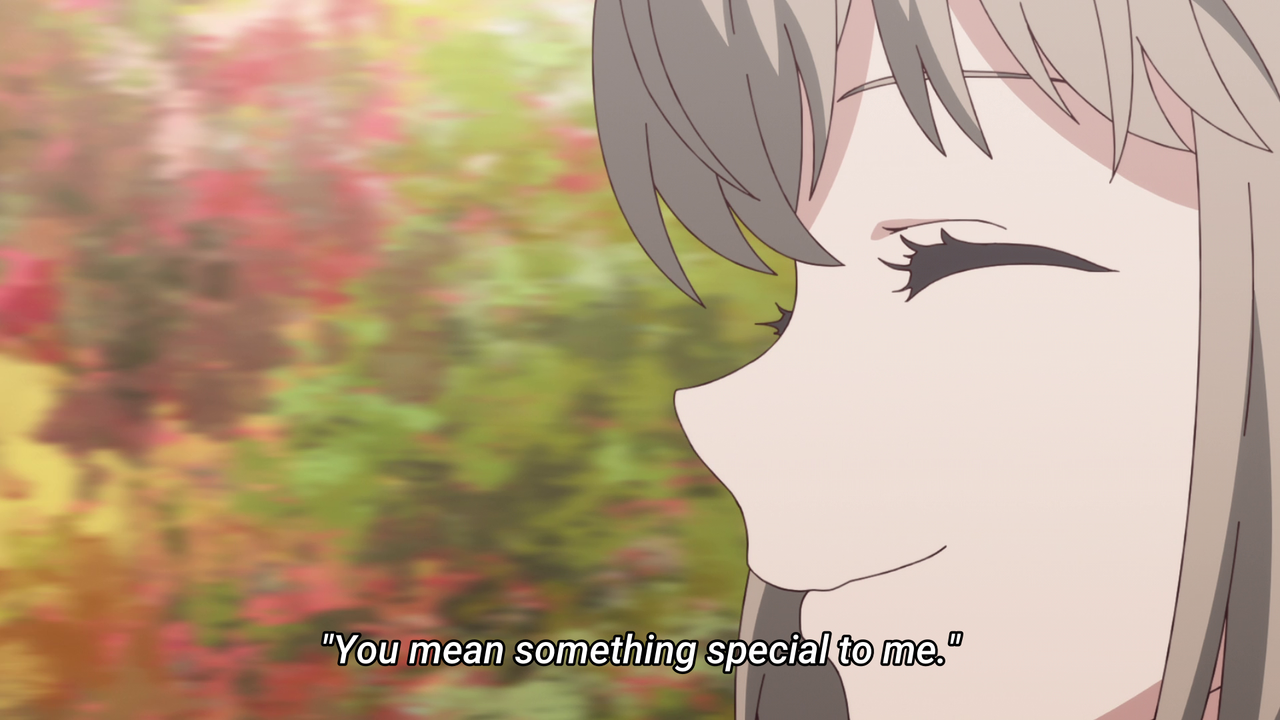
This episode of Botan focuses on a new character, Chin-lan Zhang, and her impact on the relationship between our protagonists, Botan and Ibuki. Following Botan’s heroics in a scary cave, Chin-lan takes a serious interest in her and sparks an ember of jealousy in Ibuki. So much so that Ibuki breaks her rule of abstaining from alcohol with anyone not named Botan. It leads to a romantically charged confession, where she admits Botan is someone special to her. Chin-lan, who overhears this intimate moment, decides to leave the two alone and sadly goes to bed. This story establishes the sacredness of their bond, accompanied by a plethora of visual symbols.

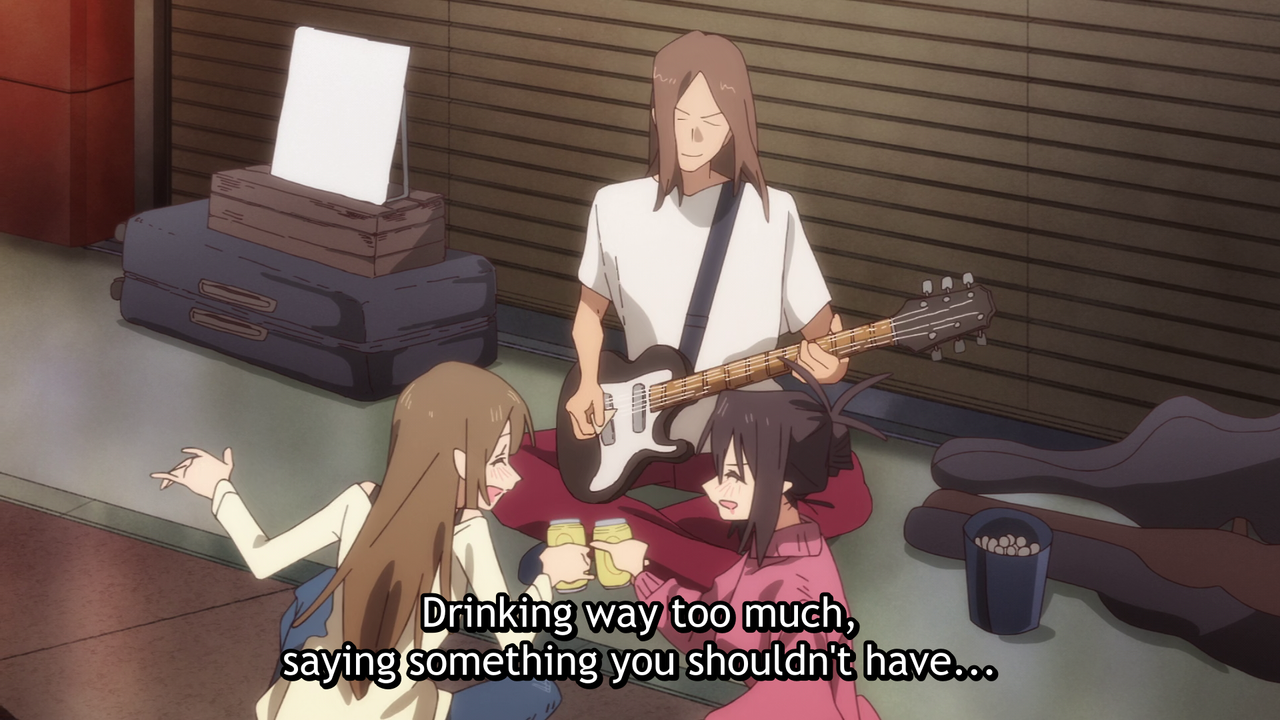
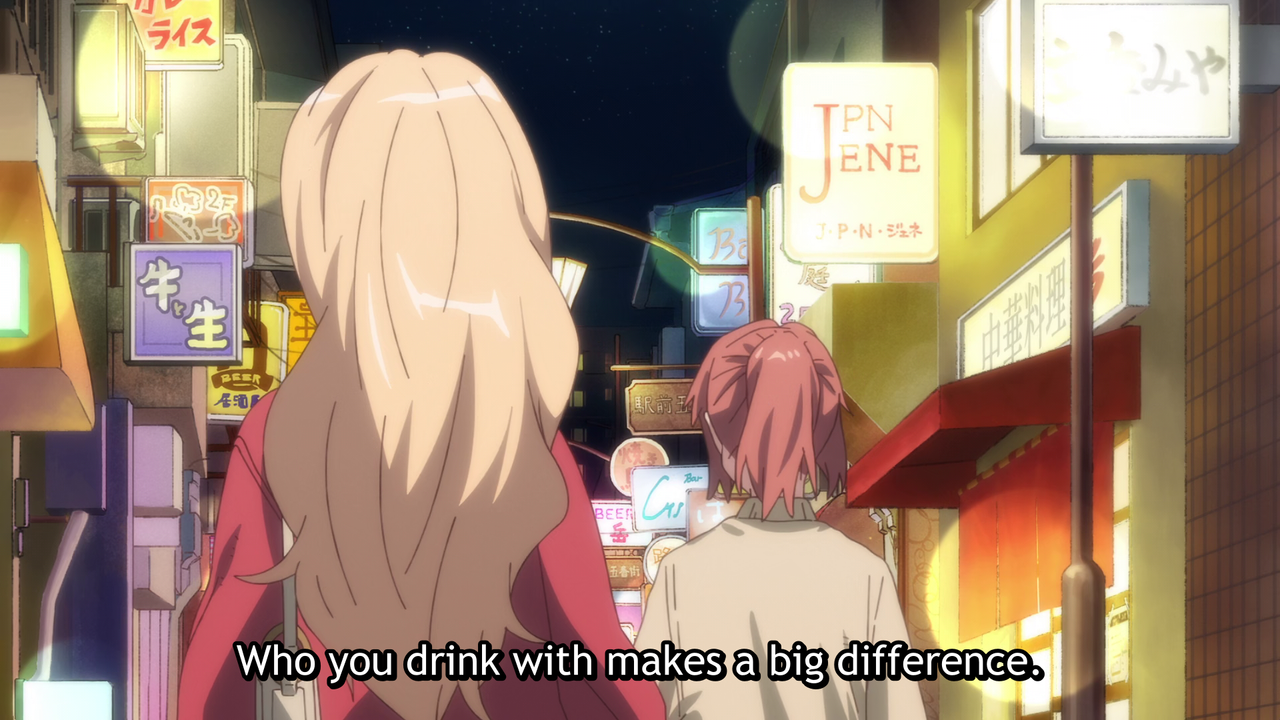
In the middle of all this drama, we cut away to Yaeka and Akane, two other roommates in the shared house, as they leave a hangout. Flirting aside, they discuss their concerns over drinking, with Yaeka fretting over everyone enjoying themselves and Akane worrying about regretting her actions the next day. The two find comfort in the fact that they complement each other’s fears and conclude that who you drink with is essential. But while this is a nice reprieve from the tension of the episode’s first half, I couldn’t help but wonder why this anime-original scene was added to begin with. 

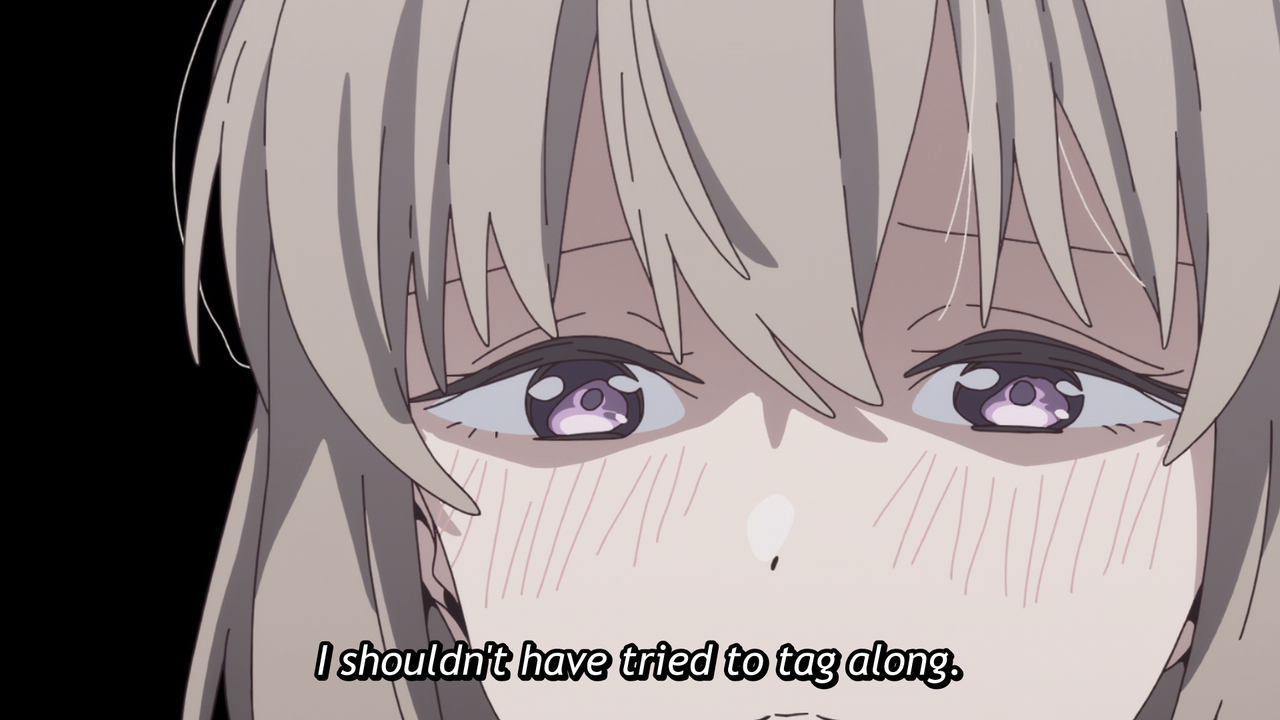
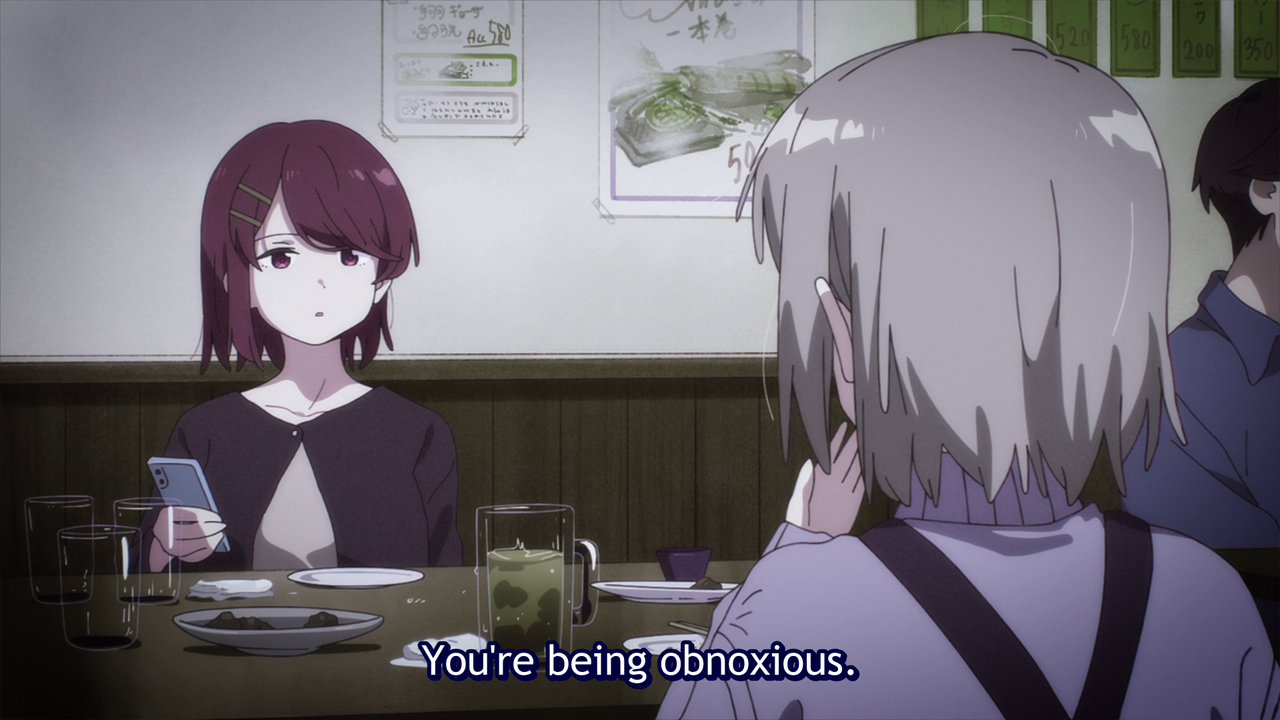
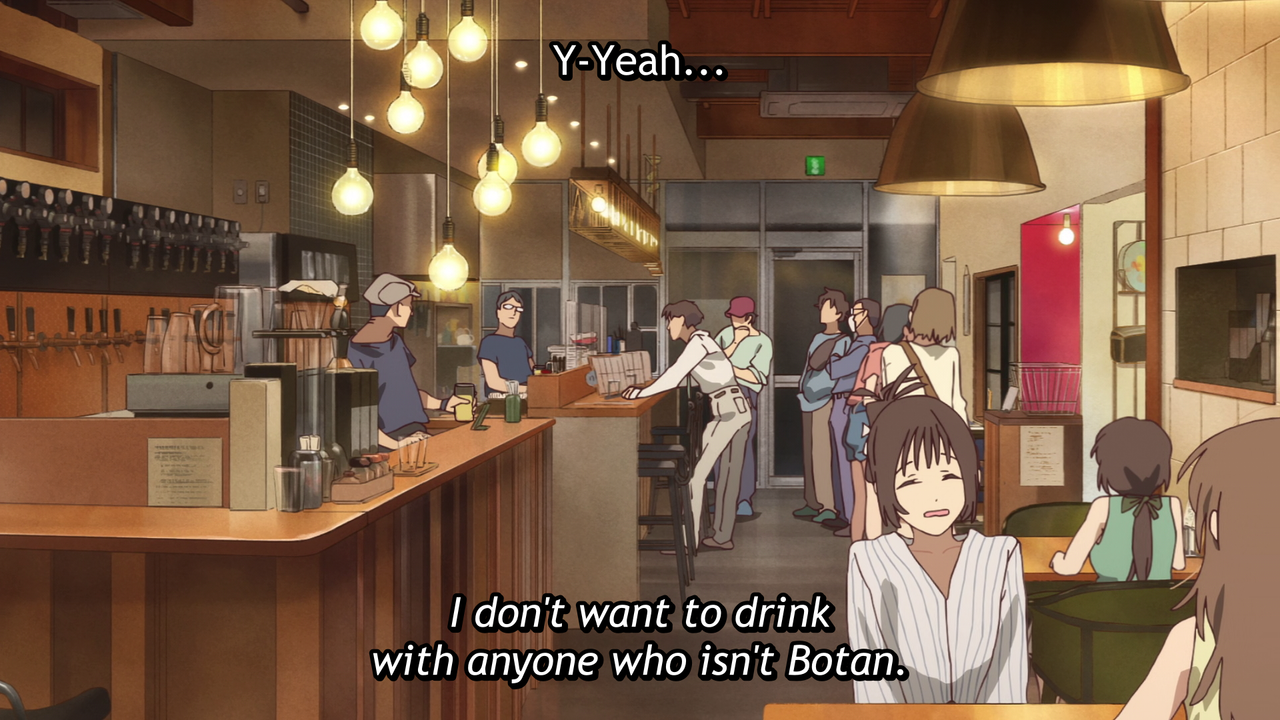
I’d argue that this interlude is tightly tied to Ibuki’s inability to drink with others. Just as Yaeka worries about everyone having a good time, Ibuki also stresses over ruining the happiness of others due to her hiccups. Much like Akane, she fears committing a faux pas and embarrassing herself. And reaching the same conclusion as Yaeka and Akane together, Ibuki wants to be one with Botan believes who you drink with can make or break the experience. This short cutaway contains many parallels to the struggles she exhibited in the A part of the episode.

Despite sharing the same beliefs as Yaeka and Akane, everything is so much more intense for Ibuki. She cries when drinking in front of Chin-lan, and there’s an exceptionally heated atmosphere when she asks Botan for a one-on-one drinking session. While Yaeka and Akane seem to make Ibuki’s struggles seem commonplace, the reality is that her feelings are more severe. Yaeka’s mother-hen tendencies are not isolating. Akane’s aversion to regret is not PTSD. And the comfort they find in one another is incomparable to the depth of Ibuki’s desire for Botan. The interlude creates contrast that underscores the highs and lows of her emotional state. Though the cutaway scene takes the audience away from Ibuki, viewers ultimately sympathize with her more deeply thanks to the baseline established by Yaeka and Akane.

Episode six’s interlude does a great job cooling down the ambience. Yaeka and Akane’s friendly banter is warmer and playful compared to the less predictable swings in intensity between Botan, Ibuki, and Chin-lan. But there’s also some “world-building” that helps viewers better comprehend Ibuki as a character. By reflecting her struggles through the more casual observations of her roommates, the cutaway transforms a reprieve into a functional scene that refines the viewer’s understanding.

u/paukshop — 18 days ago
▲ 49 r/anime

Seasonal Short & Sweet | Botan Kamiina Fully Blossoms in Split Screen

It blows my mind every week how Botan Kamiina Fully Blossoms When Drunk continues to deliver amazing episodes one after another. It’s another instance of Short & Botan- I mean Sweet, brought to you by the r/anime Awards Off Season Team. This time, we’re talking about the effectiveness of a consistent visual motif in Botan’s compositions.

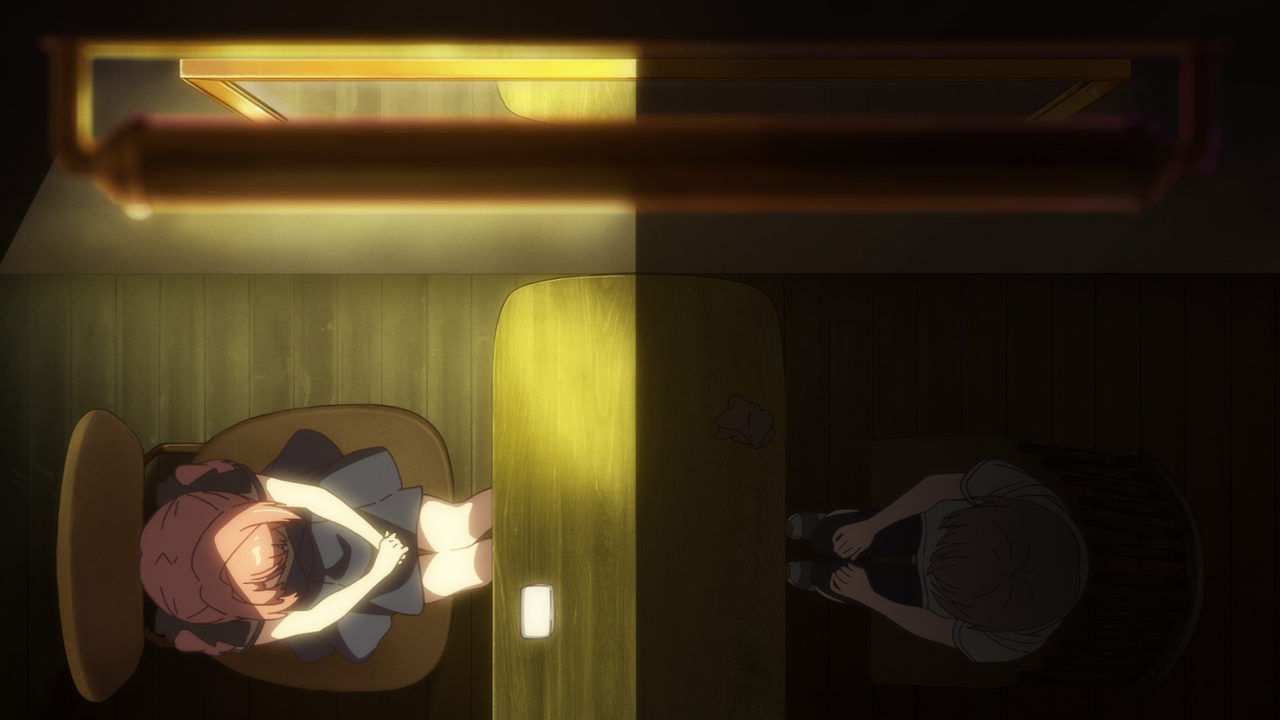
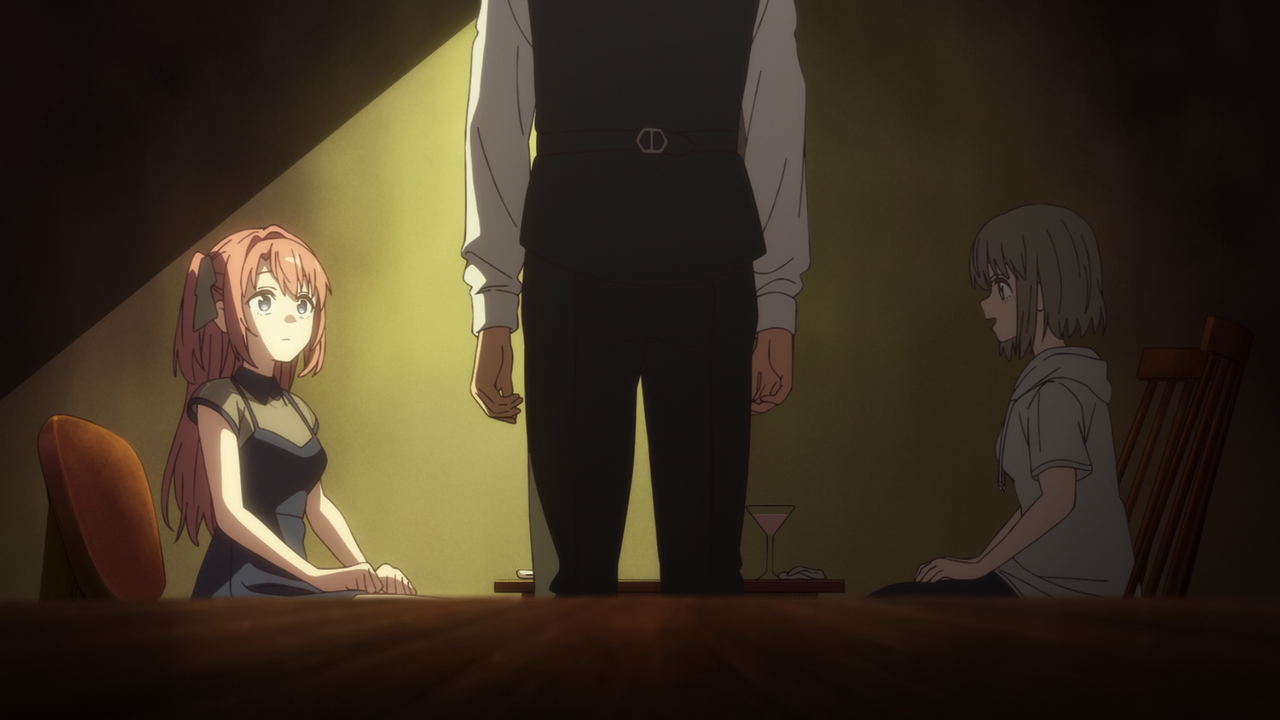
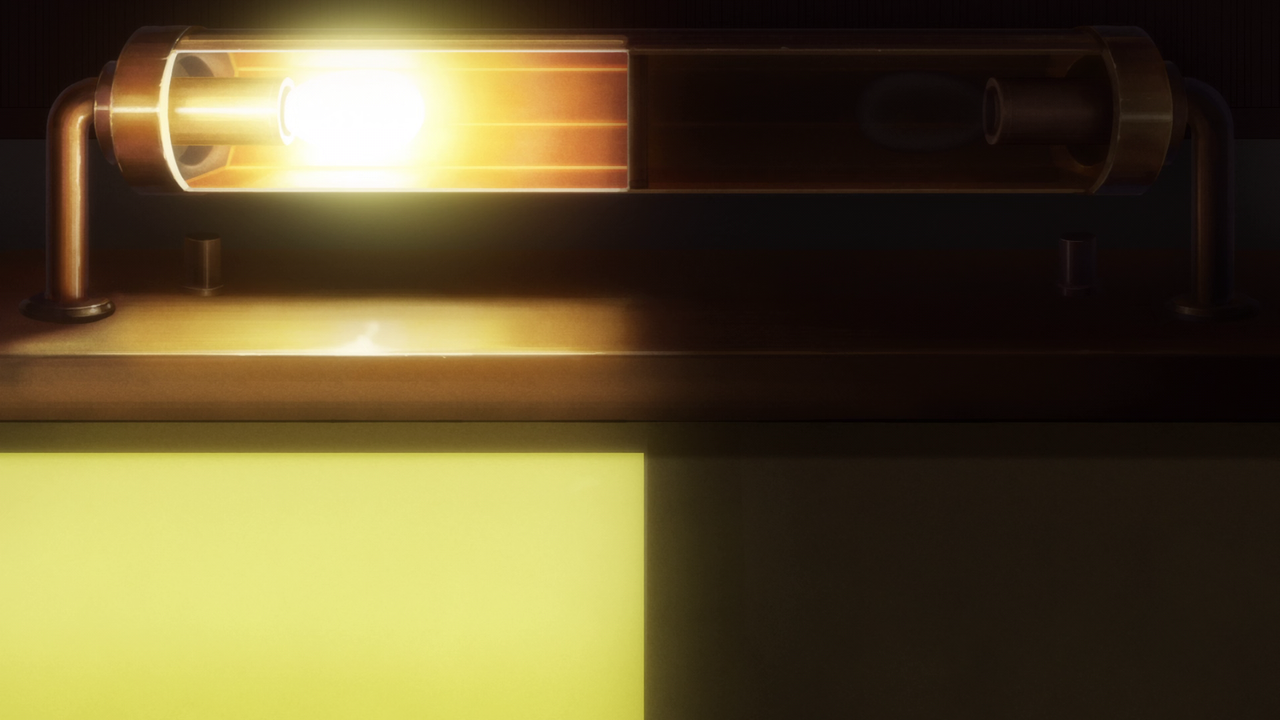
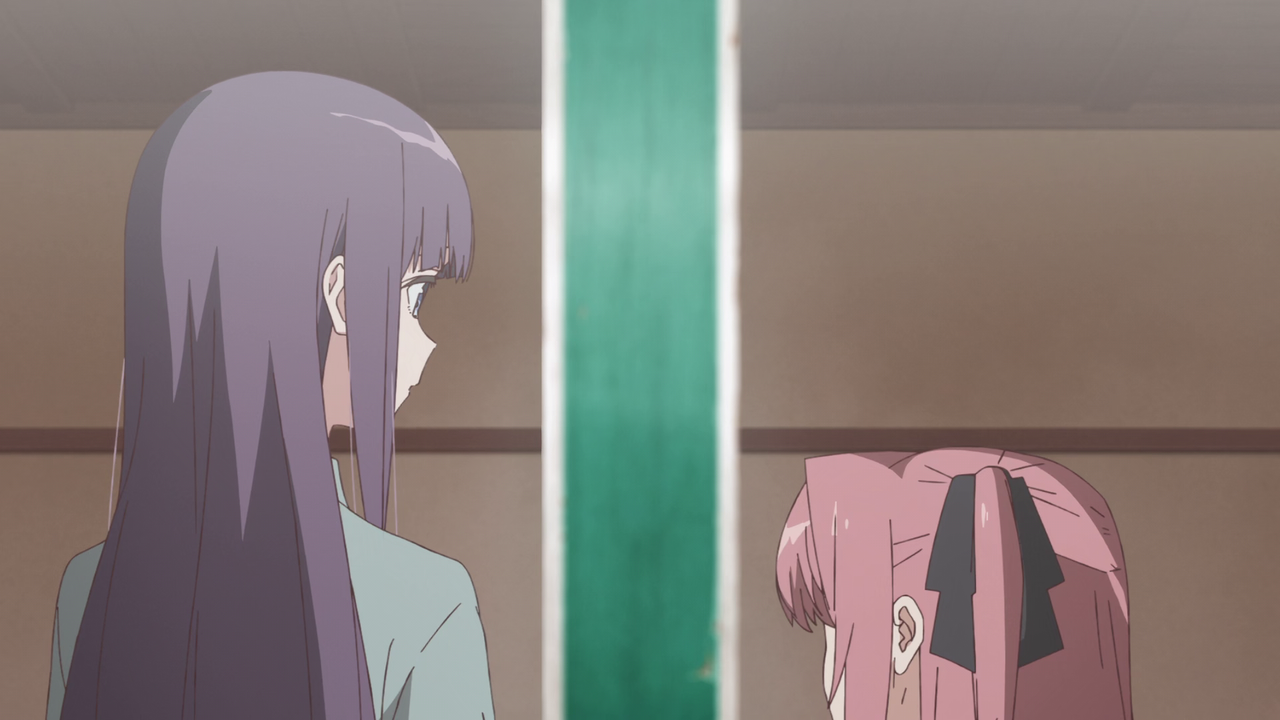
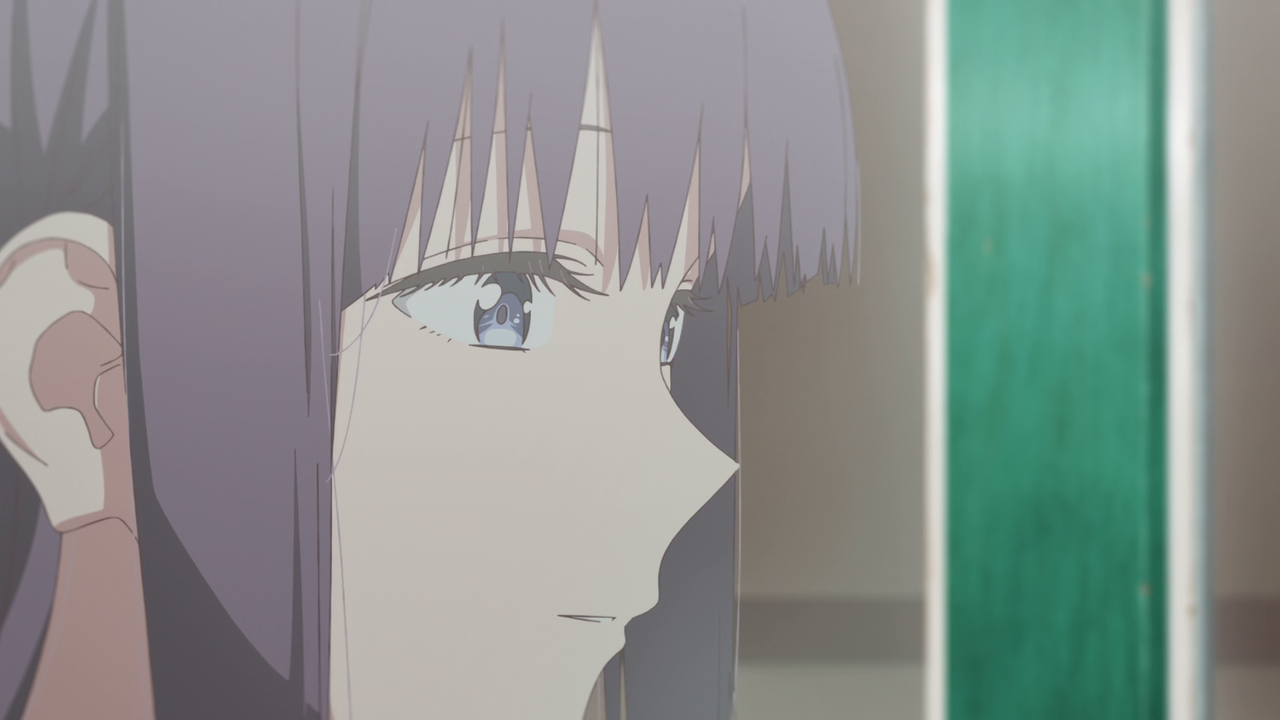
Episode five is just an incredible cinematic tour de force. There’s so much to talk about, from the stellar use of lighting to the careful selection of flowers. But to focus on one, we can examine the blocking. In particular, Botan repeats this split-screen composition between characters. In these shots, characters sit across from one another, taking up equal amounts of space in the frame, and are separated by a dividing line. This visual illustrates conflict or emotional distance between characters, but what makes this episode of Botan stand out is the sheer variety in how that gap is depicted.

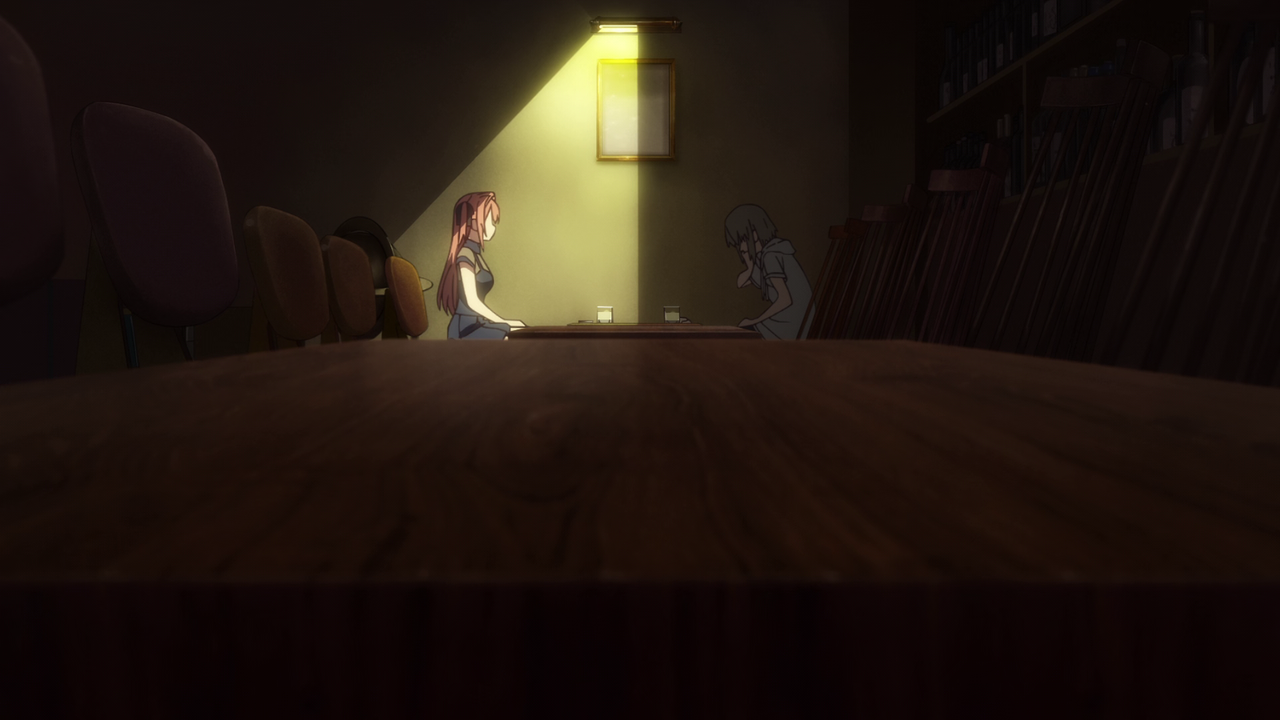
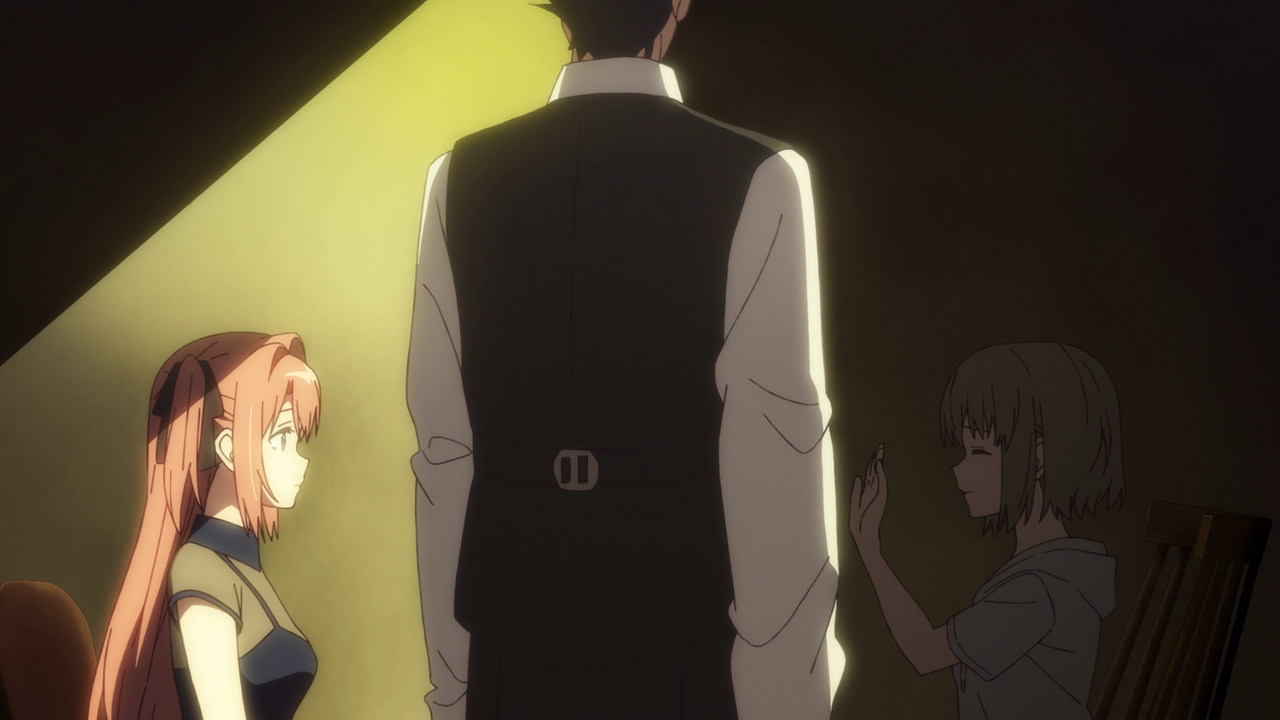
At the episode’s center is Ibuki’s past trauma. Her habit of hiccuping after drinking led to bullying, which in turn resulted in a fear of drinking around others. It’s so severe that she practically has a panic attack the moment someone else steps into the bar. It’s so isolating that even Botan, the only person she can drink along with, cannot overcome the barrier. Yet it’s so cool that the compositions can emphasize this loneliness by placing the two on opposite sides of the frame with an obstacle in between. After they retreat to a more private table, the composition makes use of lighting and even people to separate them. The camera angles also refuse to contain the pair together without something in the way. It’s a creative means of showing how far Ibuki has retreated into herself. 

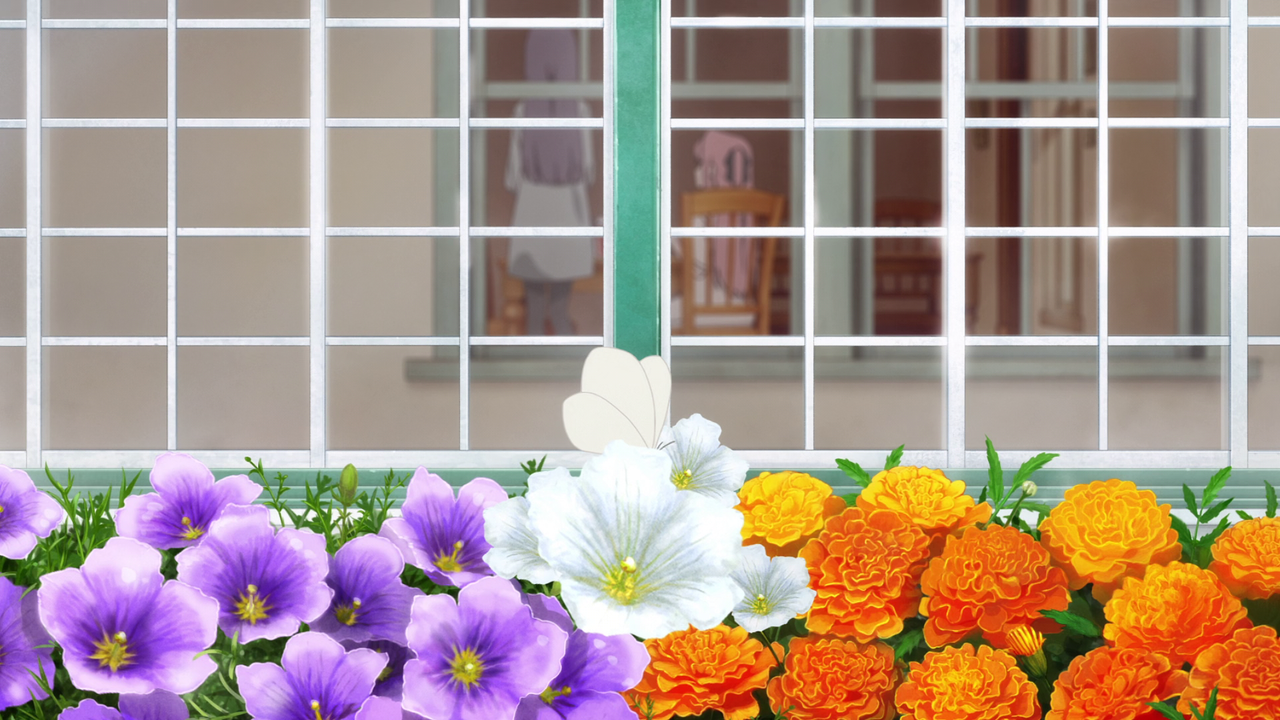
The motif reappears when Gujou and Botan prepare whiskey together. Gujou is desperate to connect with Ibuki, but her confidence is faltering. This time, the camera is placed outside the window, with the frame splitting Botan and Gujou while also segregating a flower bed in the foreground. Flower meaning aside, it’s easy to sense a dichotomy between the two of them based on their intimacy with Ibuki, who is represented by a butterfly positioned directly in the middle. Botan has overcome Ibuki’s walls, while Gujou has failed for years. Even as Botan tries her best to encourage Gujou, the window frame is still there, visually trapping Gujou in her own despondence and self-defeating perspective

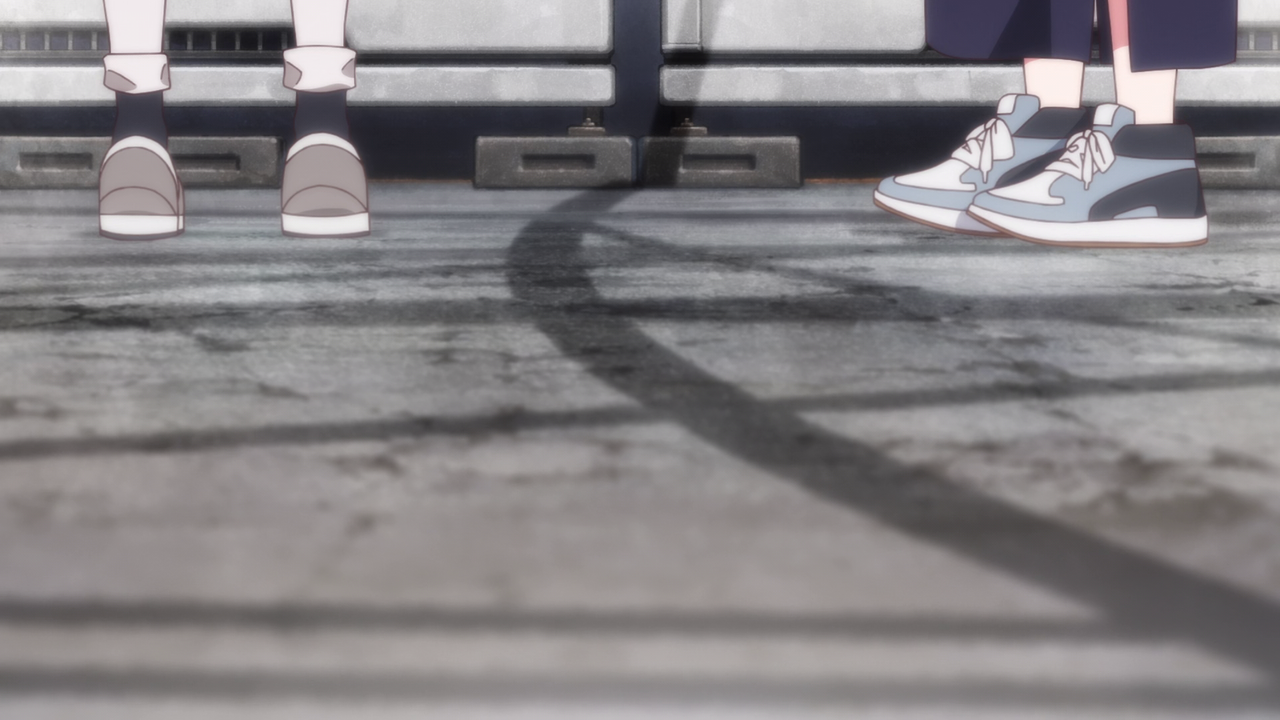
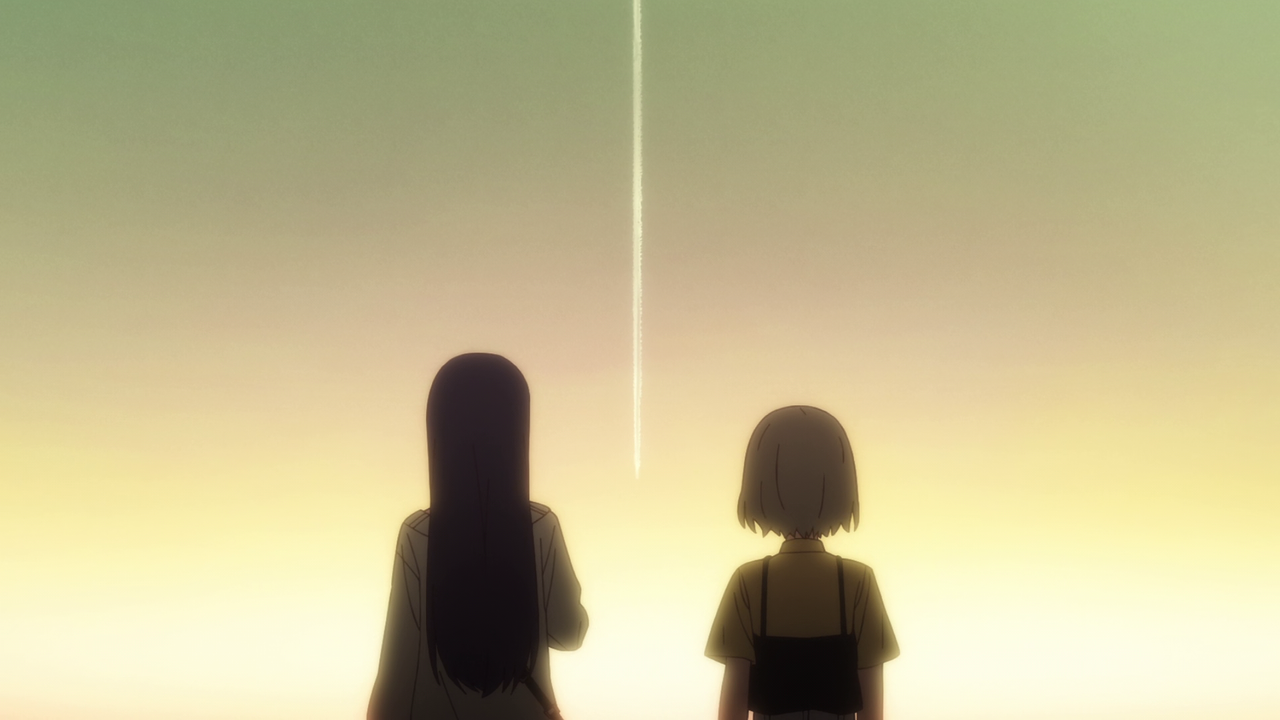
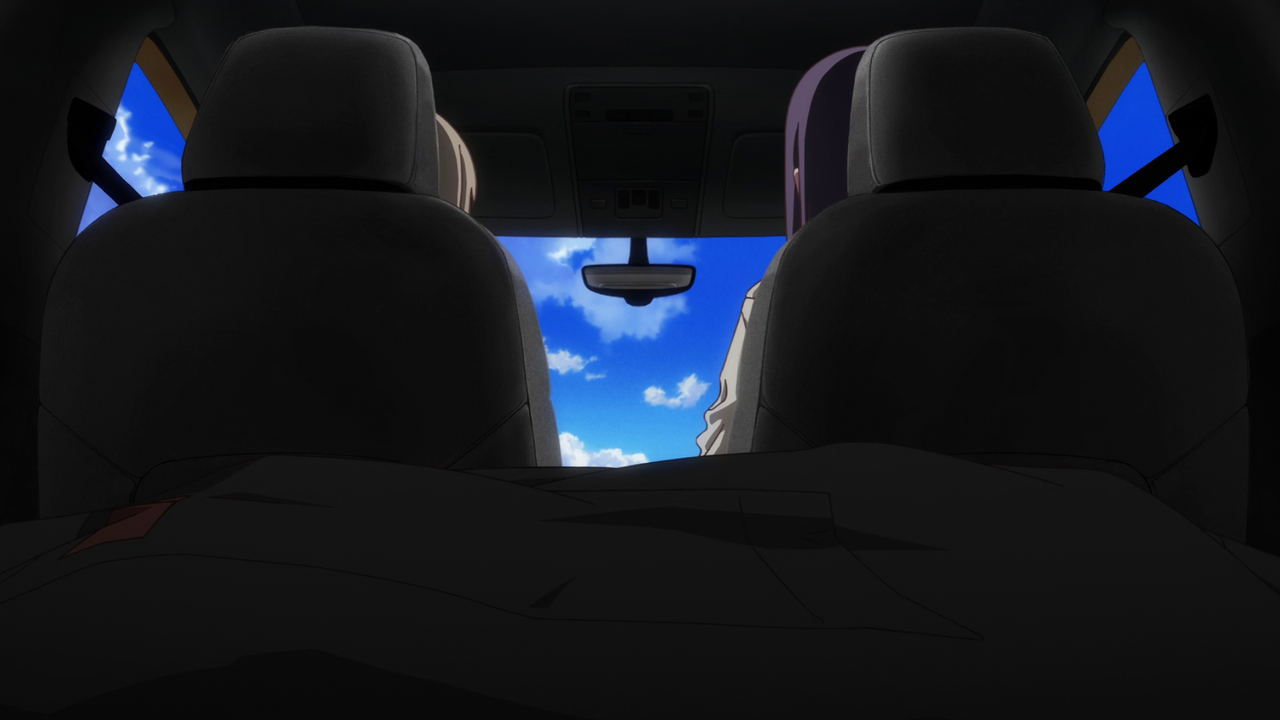
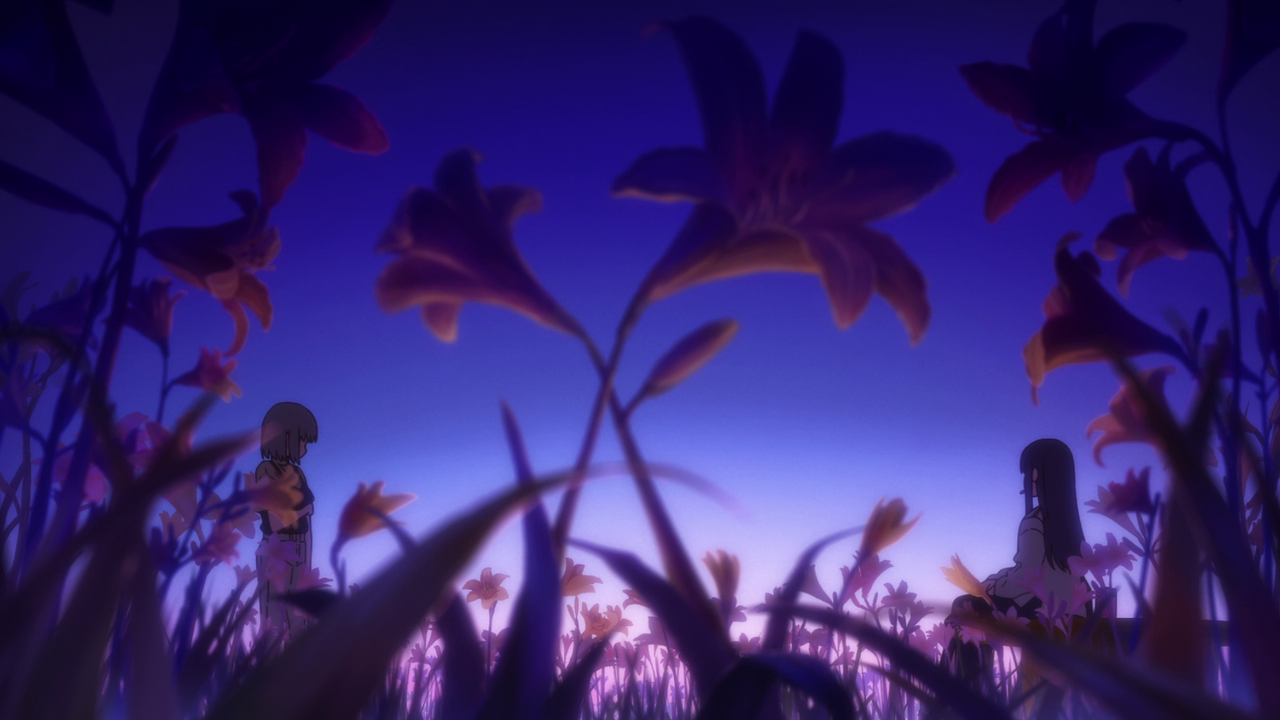
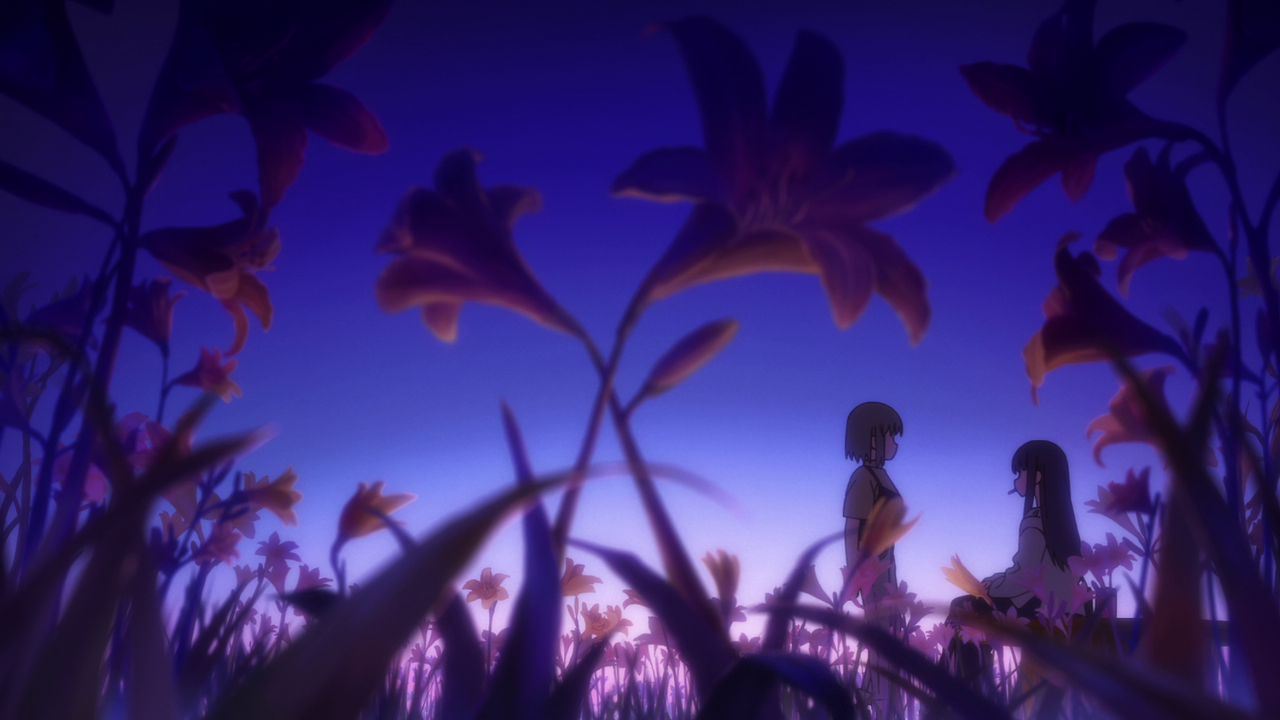
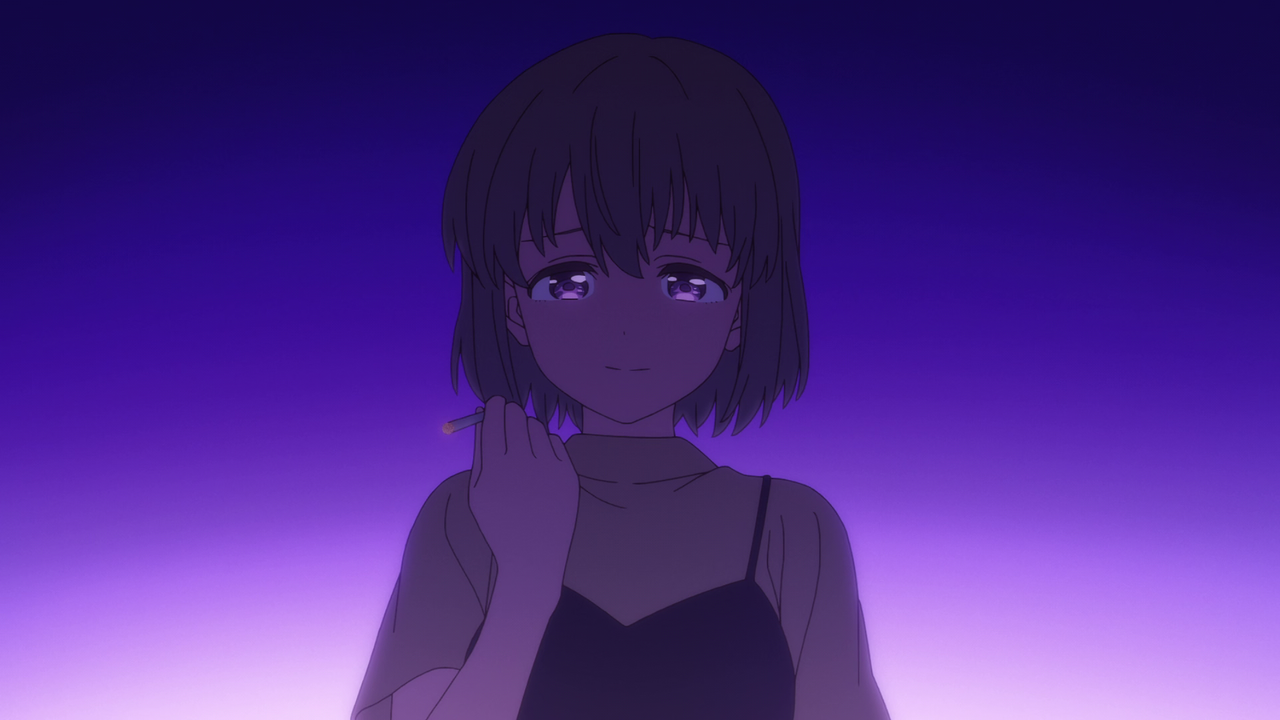
Finally, we get Gujou and Ibuki’s road trip. This excursion is loaded with these split-screen compositions. Dividing lines are abundant, from the shadows of telephone pole wires to condensation trails to the view of the sky from a car window. It’s just so hard for Gujou to cross that line and convince Ibuki to drop her guard. And even when offered her favorite whiskey, Ibuki ultimately refuses. In the aftermath, the two sit far from one another in a field of flowers, with a pair of orange lilies separating them. It feels like there’s a huge chasm between them, but Ibuki makes an emotional concession. At the end of the episode, Ibuki crosses that line to steal Gujou’s cigarette. As the color returns to the scene, the two are finally able to reconcile. While it’s not the ideal outcome Gujou wished for, their relationship is clarified, and Gujou realizes the type of affection Ibuki holds towards her.

What impresses me the most about the episode is how they saved the one instance of breaking the split-screen composition for the very end. By building up this tension and gap from the very beginning, the final scene delivers at the very climax to hit the viewer with the maximum amount of symbolic weight. It adds so much gravity to Ibuki’s last words. Even without a direct explanation from her, Ibuki’s stance on Gujou’s feelings is still so easy to understand. Botan continues to deliver episodes with fantastic direction that uses visual storytelling to speak louder than words.  

u/paukshop — 21 days ago
▲ 237 r/anime

Seasonal Short & Sweet | Botan Kamiina Fully Blossoms in Color

It’s time for another bite-sized analysis, courtesy of the r/anime Awards Off Season team! This week, I want to encourage you to grab a drink as I talk about one of my favorite episodes of the year so far. 

The fourth episode of Botan Kamiina Fully Blossoms When Drunk was stunning from start to finish. Whether it’s the deluge of frames within frames or the deep and creative layouts, this episode is a true feast for the eyes. But for the sake of keeping this a Short & Sweet essay, we’ll focus on the importance of color in differentiating Botan Kamiina and Kanade Gujou. Both women are enamored with their resident assistant, Ibuki Tonami, but only Botan has managed to wiggle her way into Ibuki’s heart. The show communicates this dichotomy via colors.

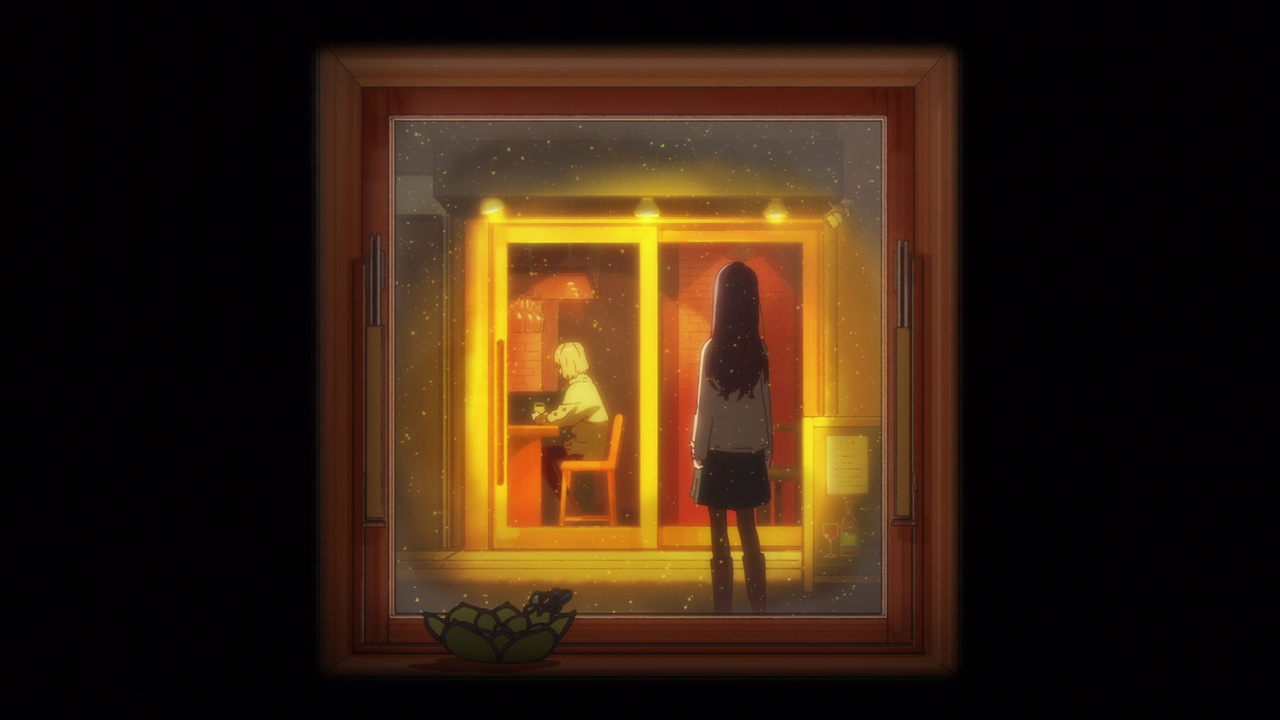
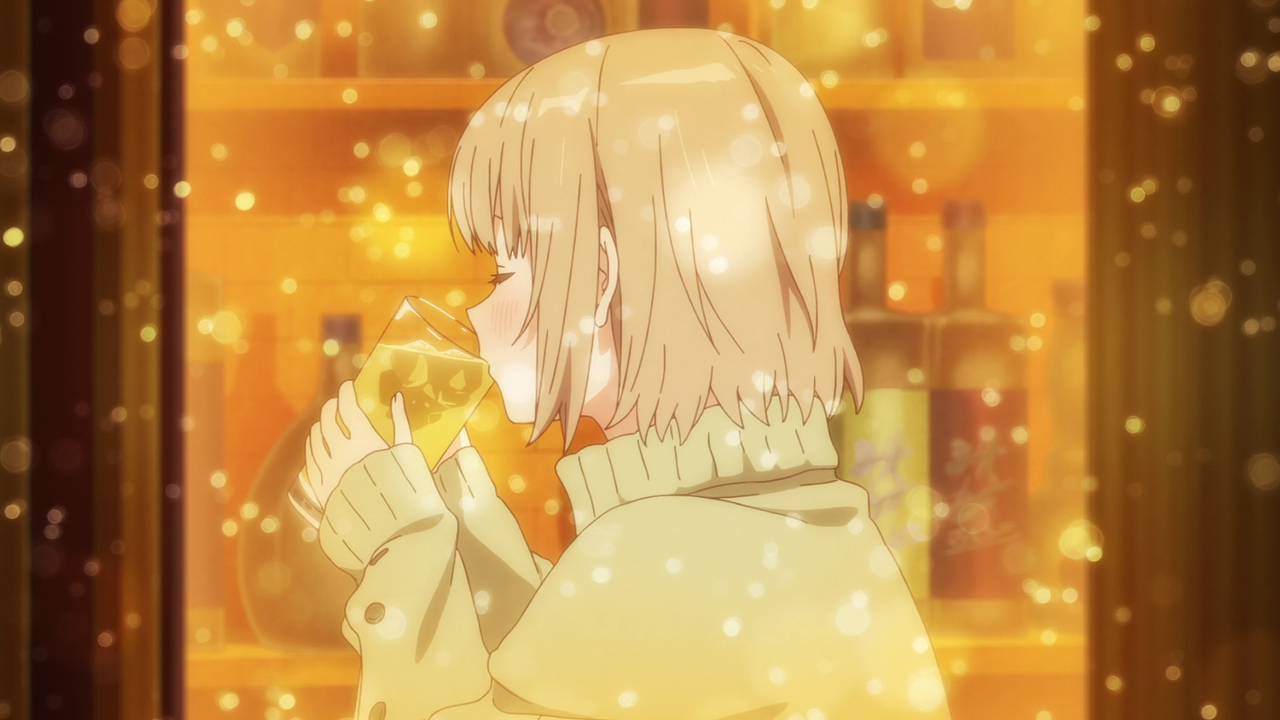
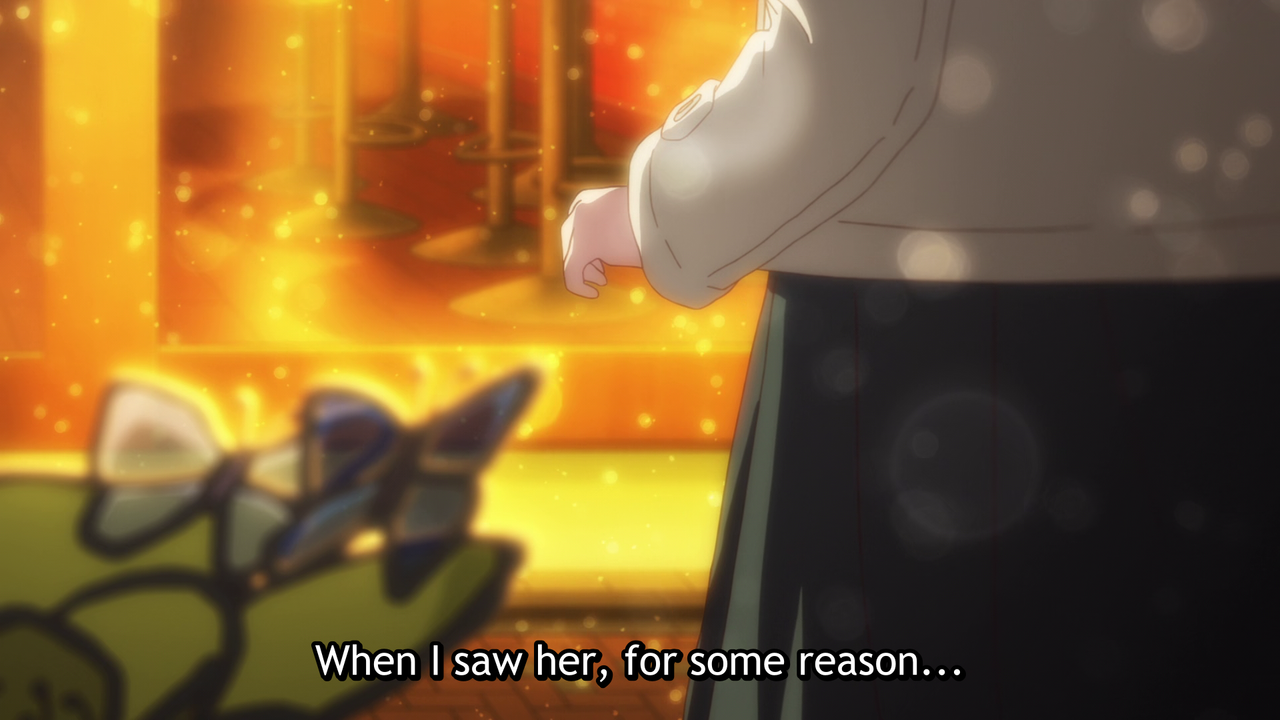
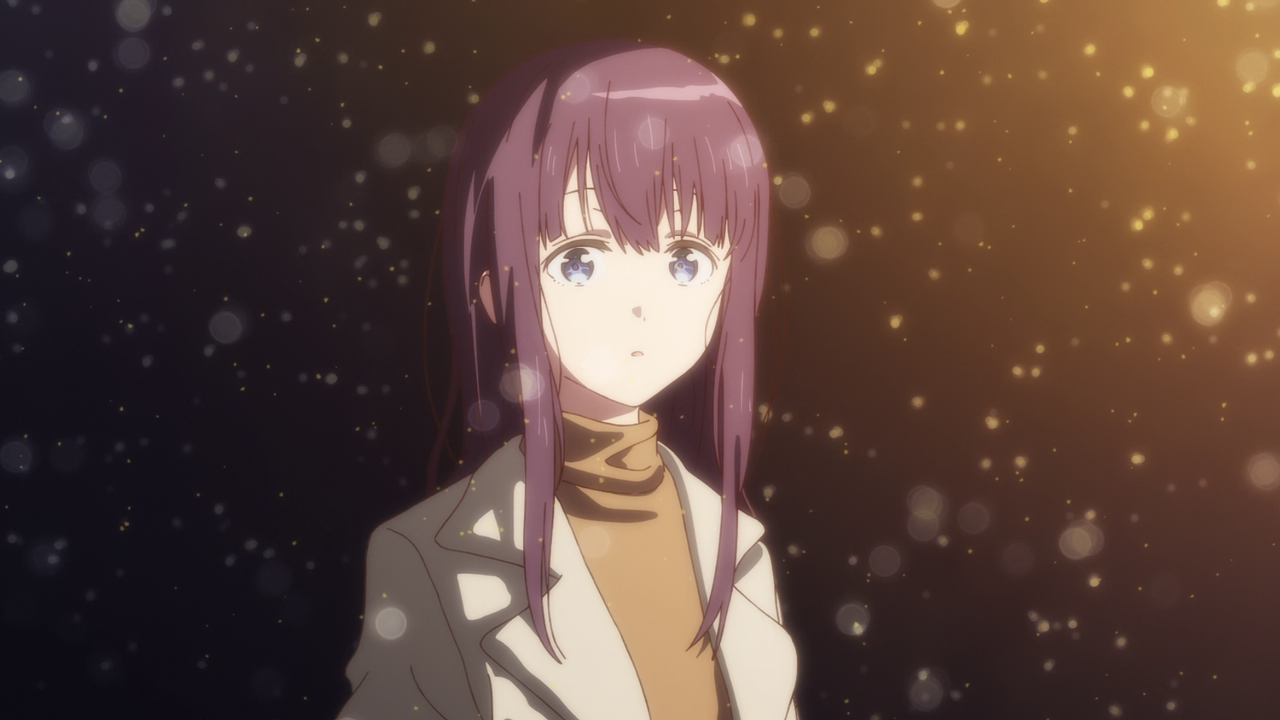
Gujou (we’ll use Gujou instead of Kanade since the cast calls her “Gujou-senpai”) has been trying since the start of the season to have a one-on-one drinking session with Ibuki, but the latter has continually circumvented her invitations. Gujou has only once gotten one peek at a drinking, happy Ibuki, after coincidentally spotting her at a bar one night. The memory is presented as a frame within a frame within a frame: past Gujou, framed by a window, stands outside the bar watching a drinking Ibuki. The overhead lights envelop Ibuki in an orange glow, underlining her joy and tying this color to her. Meanwhile, Gujou cannot find it in herself to enter the bar and interrupt this moment. This head-on shot places her at the center of this gradient formed by the darkness of the night and that orange light from the bar. It captures the distance between the two - close enough for the warmth to brush against her, but not enough for her to intrude upon Ibuki’s personal space.

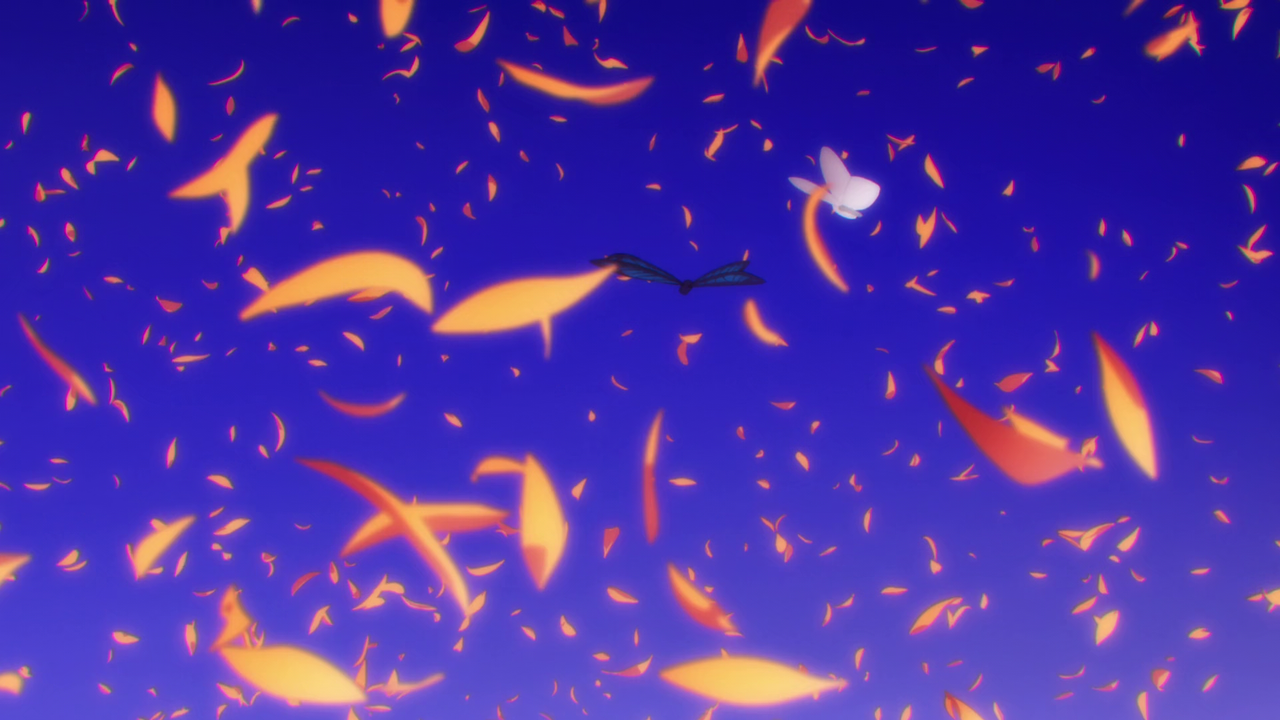
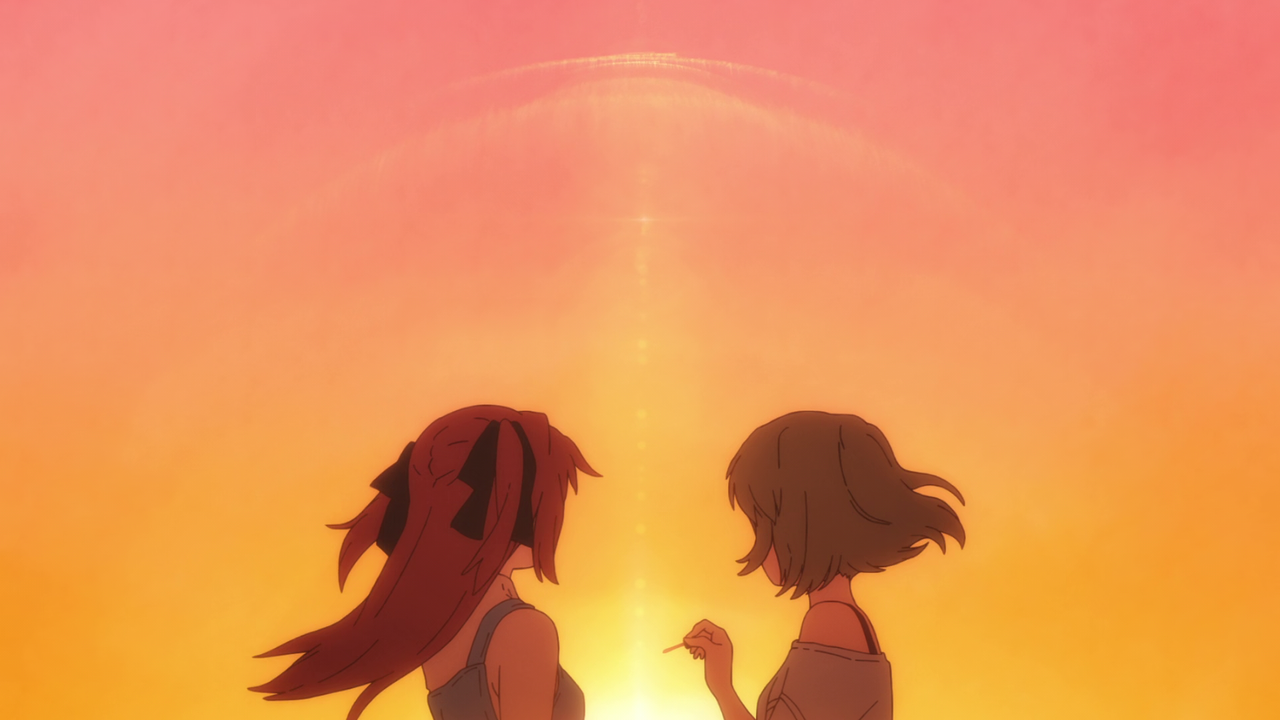
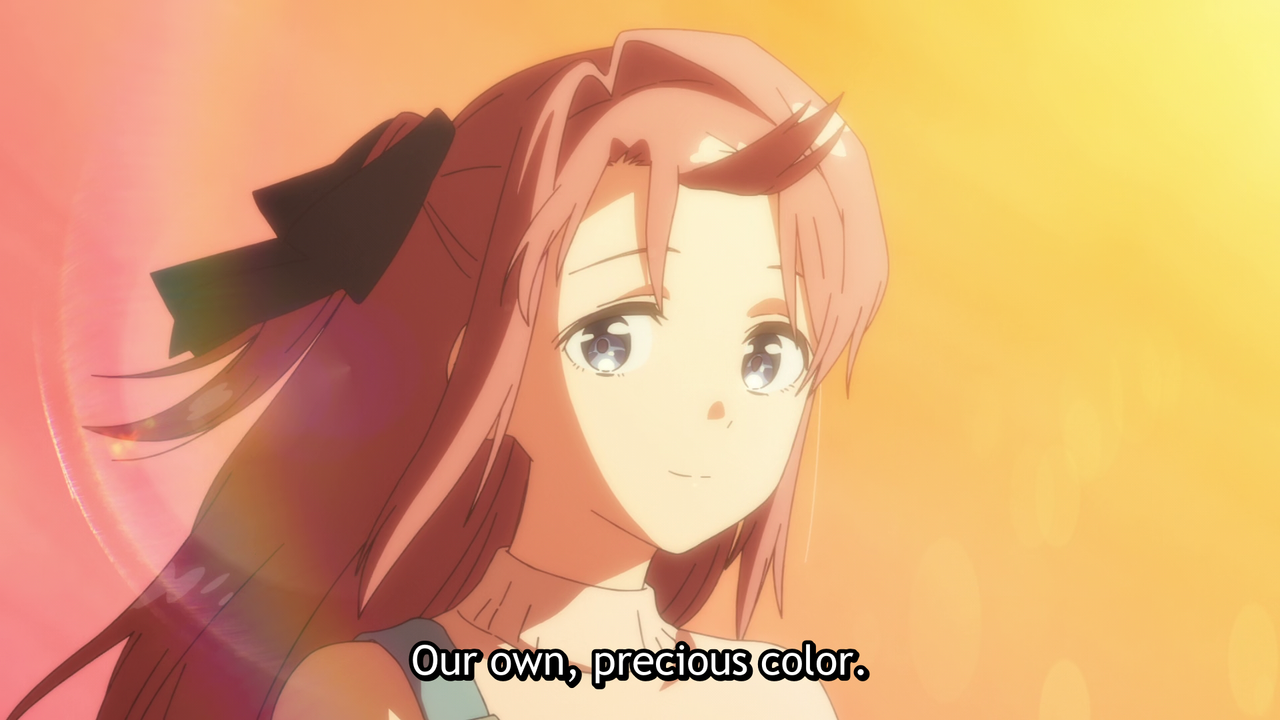
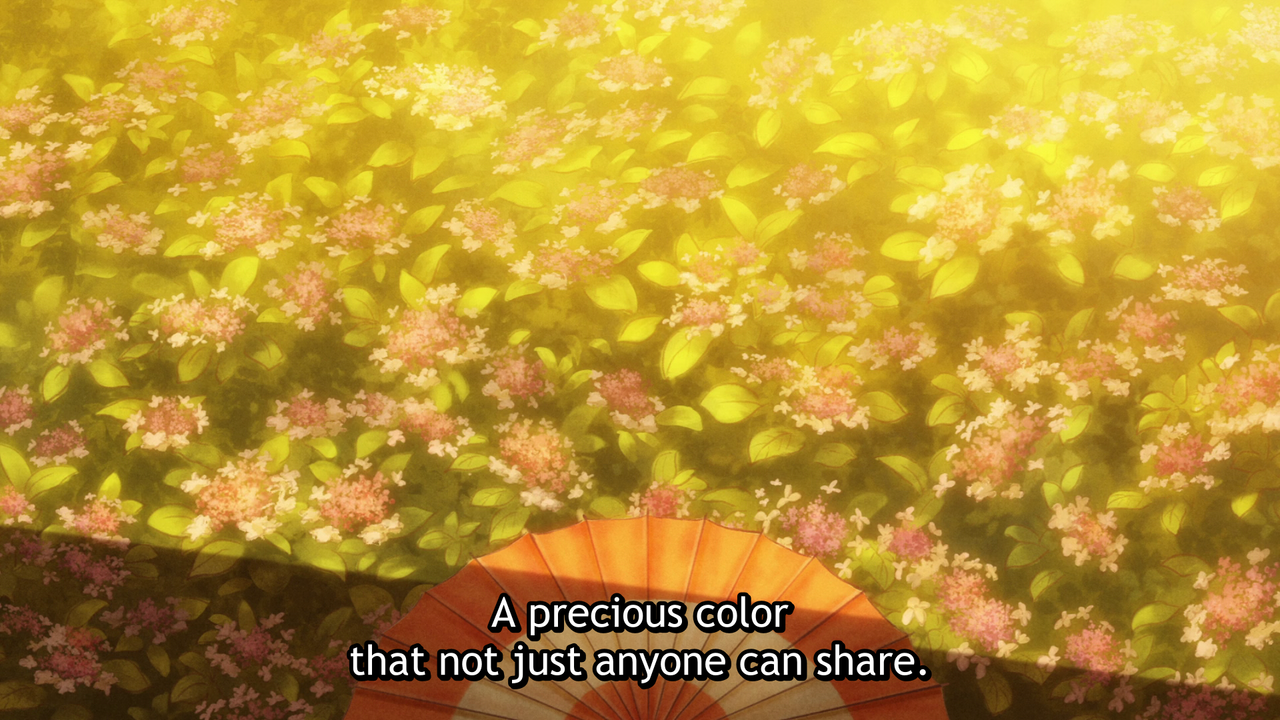
Compare that to the end of the episode, where Botan and Ibuki get a moment alone at a foot bath. It’s now golden hour, and the scene is bathed in the glow of the setting sun. The two discuss the meaning of “a precious color that not just anyone can share” before Botan boldly asks to share a unique color of their own. It’s an incredibly intimate moment where Ibuki paints Botan’s nails pink as sakura petals fall around them. As the two agree on the beauty of the color, we get a head-on shot of Botan with a perfectly split gradient of pink and orange behind her. She’s fully immersed in Ibuki’s orange while also mixing in their new color, a romance-coded pink. The repeated composition really drives home the difference in Ibuki’s relationship between Botan and Gujou.

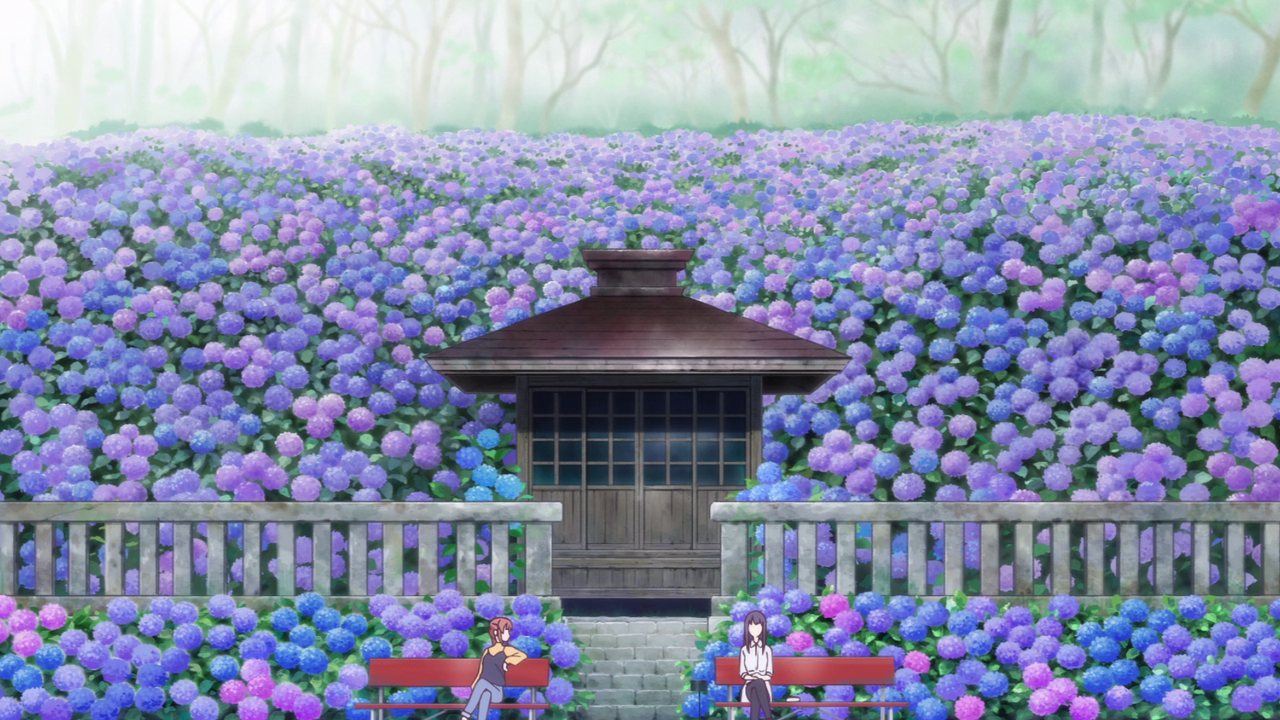
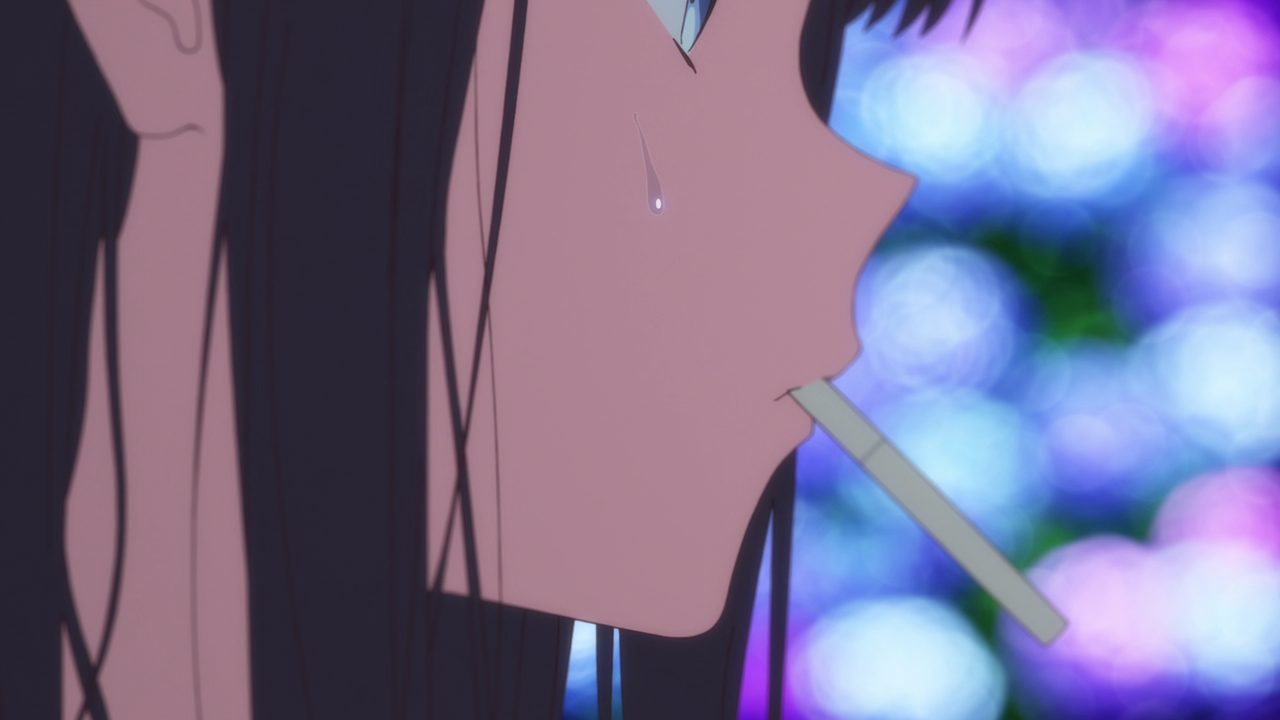
I’ll double dip here by squeezing in a quick flower language moment. While the flower type often dictates the meaning, color is usually the dominant factor when it comes to floriography. Earlier in the episode, while waiting for Botan and Ibuki to return from their side-adventure, Gujou is shown sitting in front of a field of blue and purple hydrangeas. These flowers have connotations of regret and rejection, further reinforced by shots of Gujou thinking about Botan and Ibuki while a rain drop mimics a tear falling down Gujou’s cheek.^(1) Contrast this with that orange-imbued scene between Botan and Ibuki, where the two are relaxing in front of a bed of lacecap hydrangea. It’s essentially the same flower, but now the flowers are pink and white to denote the romantic ambience. Even the variety of flower works against Gujou: lacecap hydrangeas are often seen as more refined versions compared to the mophead hydrangeas behind her.^(2,3) 

In this show, every petal and pixel tells the audience who is winning the race for Ibuki’s heart. Whether it’s the tint of the sunset or an obscure species of flowers, Botan Kamiina proves that you don’t need words to tell a story of unrequited love. You just need the right color palette. 

[1] Bloom & Wild. "Hydrangea Meaning & Symbolism by Colour." Bloom & Wild, 2026, www.bloomandwild.com/the-blog/the-meaning-of-hydrangea-flower

[2] Ballato, Lorraine. “The Language of Hydrangea Flowers.” Lorraine Ballato, 12 Feb. 2020, https://www.lorraineballato.com/the-language-of-hydrangea-flowers/.

[3] “Mophead & Lacecap Hydrangeas.” The Garden Website.com, 2017, https://www.thegardenwebsite.com/hydrangea-macrophylla.html.

u/paukshop — 25 days ago
▲ 310 r/anime

Seasonal Short & Sweet | Botan Kamina Fully Blossoms in Analog

The r/anime Awards Off Season team is here for another Short & Sweet essay about our favorite scenes! Just like Botan Kamiina trying a new alcohol, we’ll be sampling something a little different and maybe a bit more vintage. But instead of drinking, let’s analyze some animation.

The third episode of Botan Kamiina Fully Blossoms When Drunk sparked a little controversy across social media. Animation director and storyboarder, Gin-san, made the bold decision to shift the animation style into a unique direction. The character designs become more flexible, showing a willingness to deviate from strict eye sizes or proportions. The lineart grows rougher, with varying line thicknesses that reveal where strokes begin and end. And the transitions between poses embrace even greater exaggeration, smoothing out the animation. While it’s easy to mischaracterize this as “sloppy” or “unfinished”, Gin-san’s style does have a ton to offer in terms of expressiveness that more conventional animation cannot.

This approach to animation, and the discussion around it, reminds me of Impressionism, the art movement. Impressionists bucked the trend of highlighting realism and the subject in favor of capturing atmosphere and the totality of the scene. This style has often been described as “loose” or “spontaneous.” There’s a sense of freedom and whimsy that more conservative artists scoffed at.^(1) And that’s a quality I observed when I watched Gin-san’s episode. With these character designs, the cast feels more free and unfiltered. Botan’s silliness is amplified by the looser restrictions on face construction. Ibuki becomes even more emotive, exhibiting more expressiveness in how she reacts to Botan’s shenanigans. And Akane seems even more chill and cool than she already was. The characters feel less solid but their sensations and sentiments become clearer. 

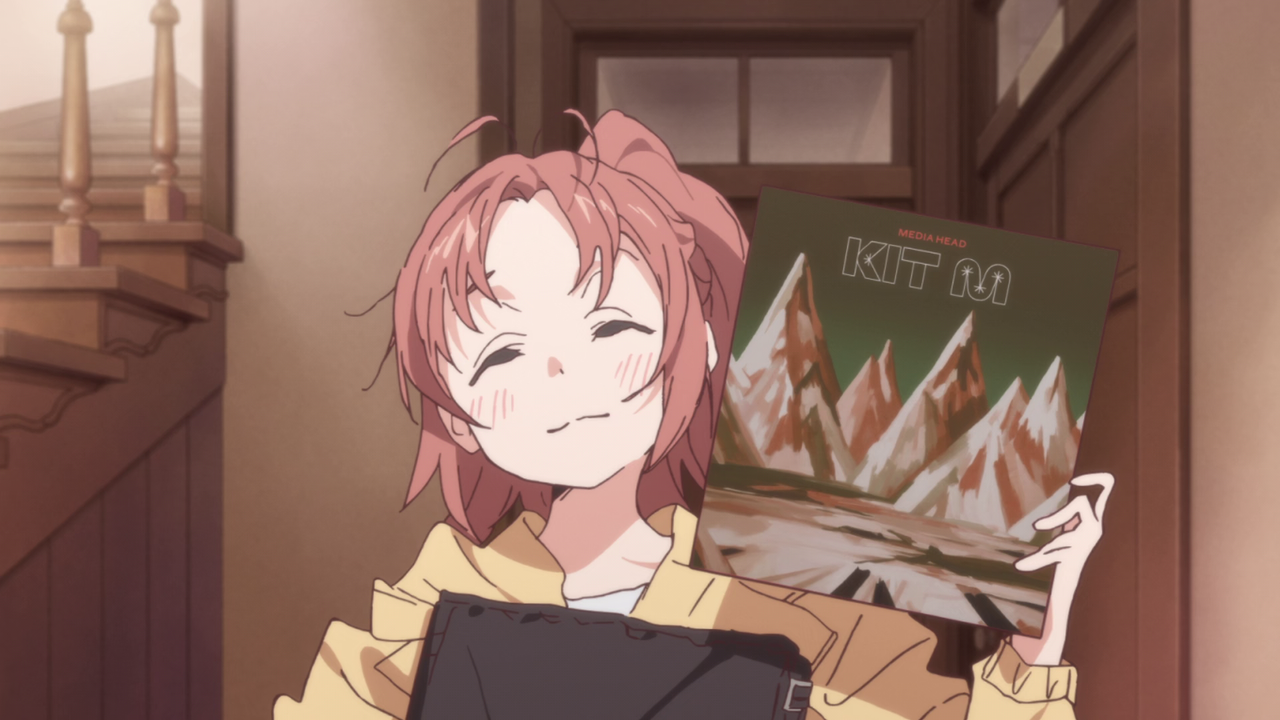
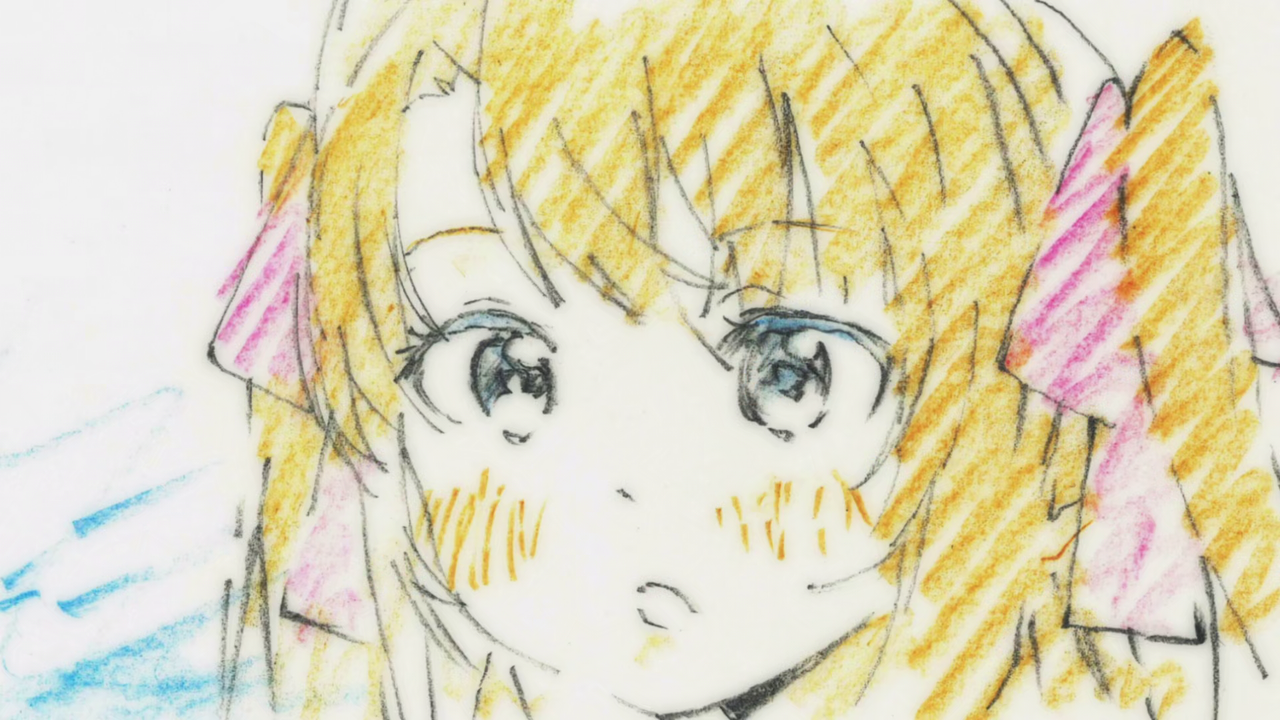
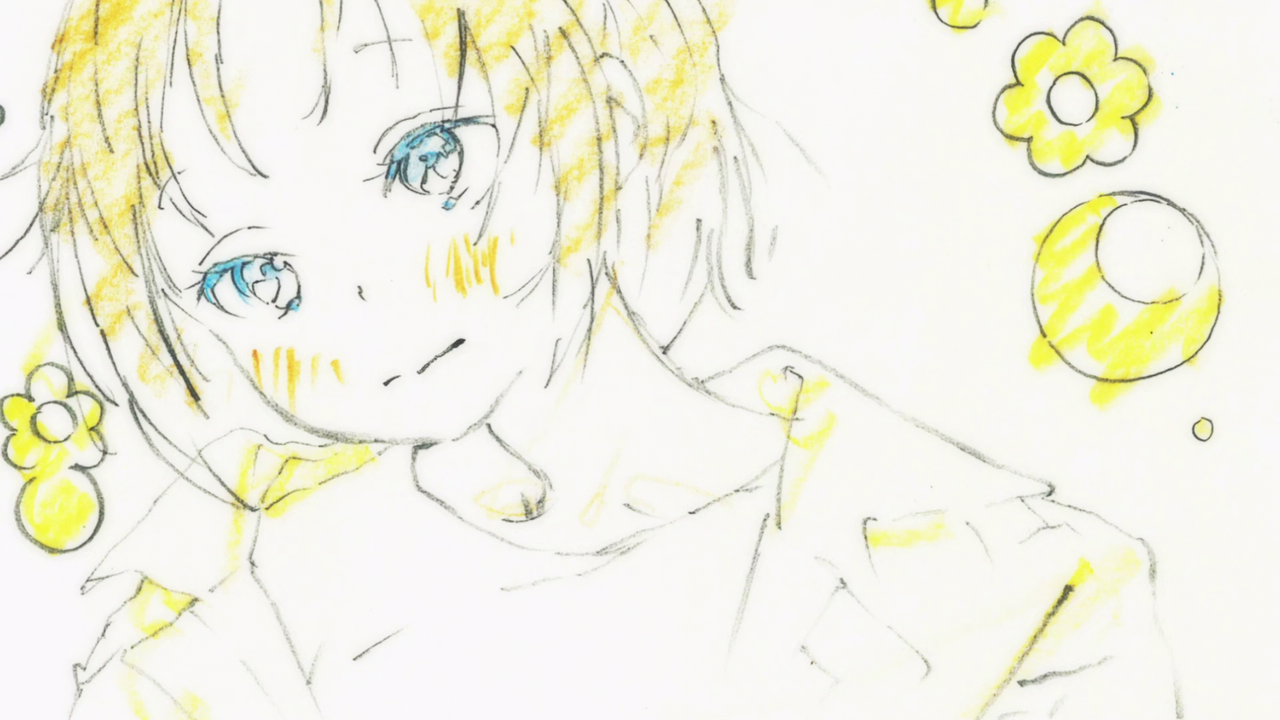
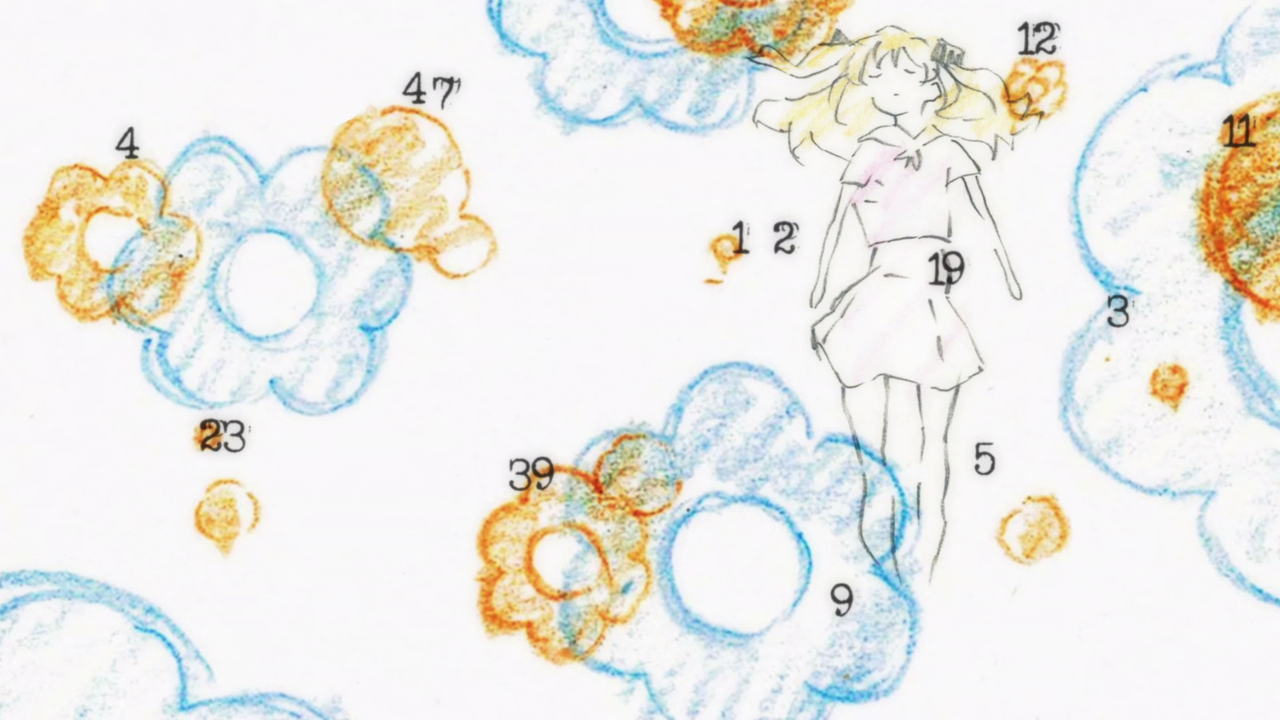
This coarse style hits its peak when Botan drops the needle on Akane’s record. There’s a dramatic relaxation of the usual rules of animation, and the characters - and we along with them - get to just feel the music. The solid colors disappear and are replaced through broad hatching, creating a sketch-like coloring with empty white spaces. The colors don’t even match the original character designs: the music fills Botan and Akane with brand new colors to communicate the novelty of the experience. There’s a reduction in the frame rate that slows down relative time. The lineart gets even more tactile, showing the graininess of the pencil. All of it comes together to depict how that music reaches all the way down to Botan’s core. The strength of that response is beautifully presented by deconstructing Botan down to her visual minimum. She is no longer the subject - she melts into the music. Like Impressionist art, she becomes one with the scene. 

While listening to her new record player, Akane says, “I sure do love the way analog sounds.” In a way, this art style can be described as “analog.” It’s a rejection of the uniformity and polished drawings you normally see in favor of something more raw and textured. The imperfections give it a unique appeal that in certain ways can be even more effective and comprehensible than more standard art styles. Like vinyl crackles on a favorite record, those imperfections are part of the experience.

[1] Samu, Margaret. “Impressionism: Art and Modernity.” The Metropolitan Museum of Art, 1 Oct. 2004, www.metmuseum.org/essays/impressionism-art-and-modernity

u/paukshop — 28 days ago
▲ 86 r/anime

Seasonal Short & Sweet | Botan Kamiina Fully Blossoms When at an Angle

Lean in a bit closer, because it’s time for another edition of Short & Sweet from the r/anime Awards Off Season team! This time, we’re discussing the importance of good posing and animation in even the least action-heavy shows. When you think about your favorite animated sequences, you may recall the hype fights from One Punch Man or the recent spectacle of a water dragon in Witch Hat Atelier. But there’s an often underappreciated category of animation known as character acting. In the slower moments of shows, how organically or expressively do the characters move? Oftentimes, that attention to detail in a character’s posing is just as fascinating as the fluidity of a high-octane battle. If you need an example, look no further than the second episode of Botan Kamiina Fully Blossoms When Drunk

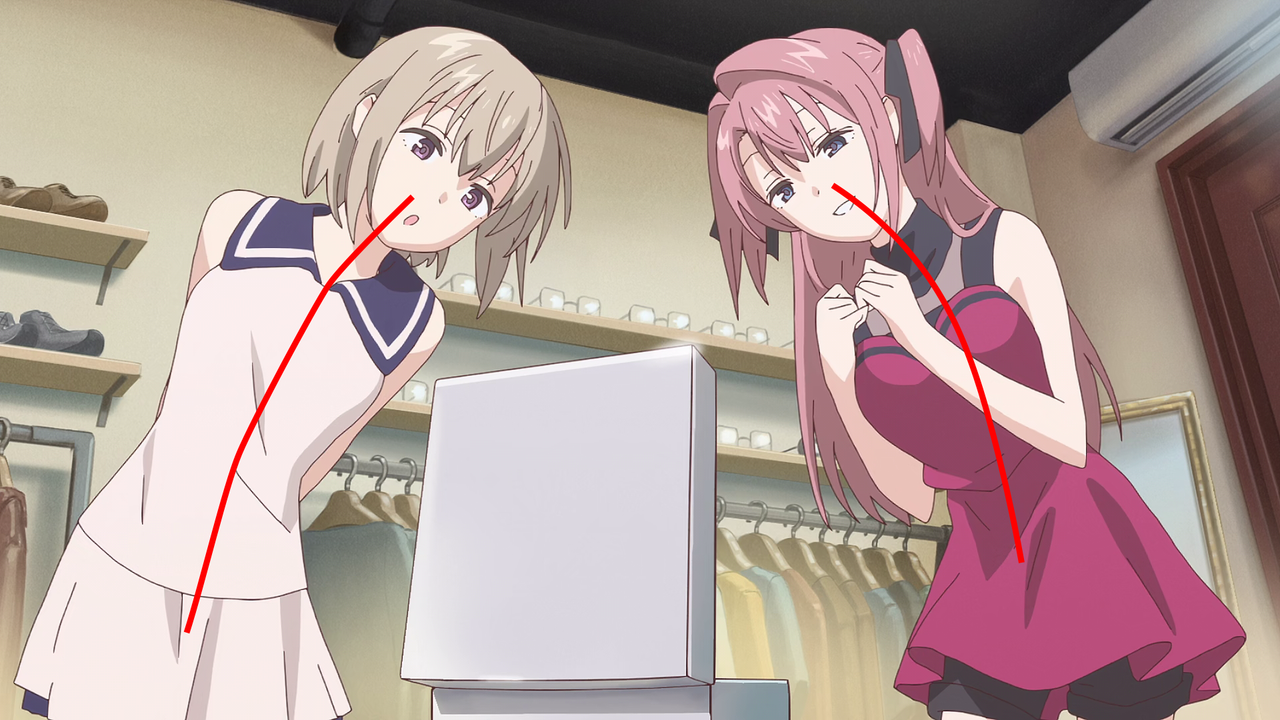
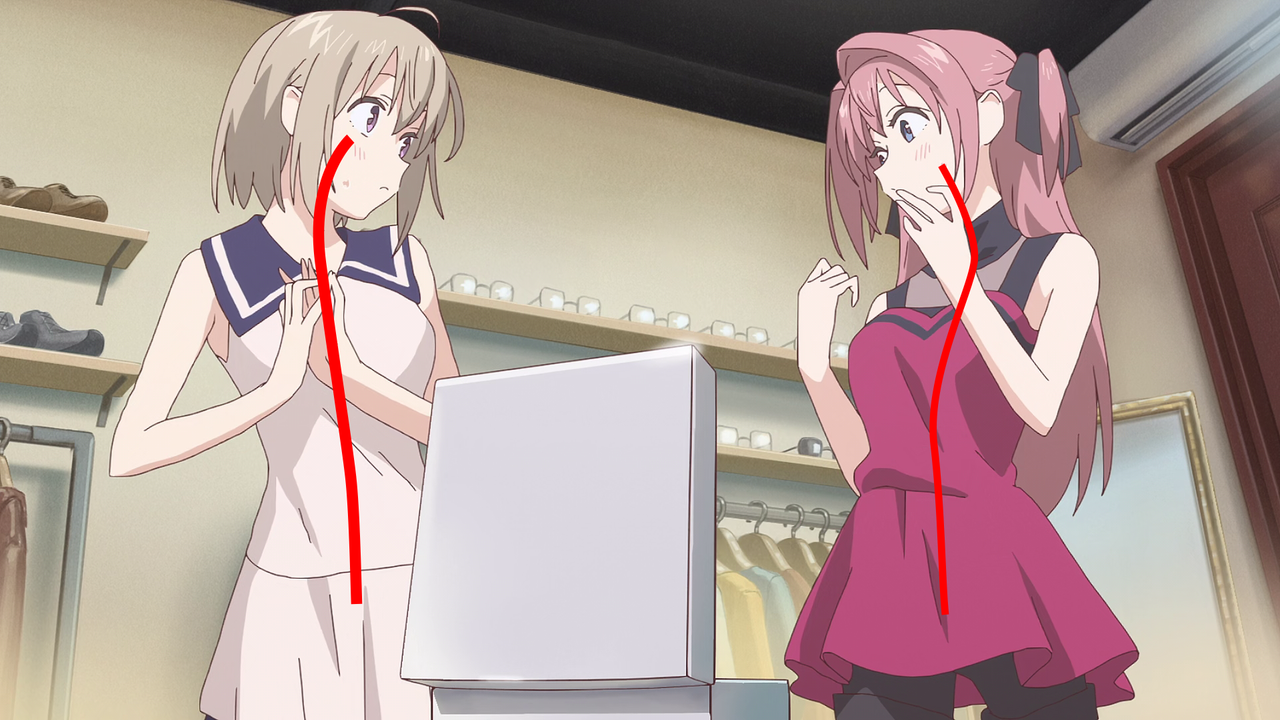
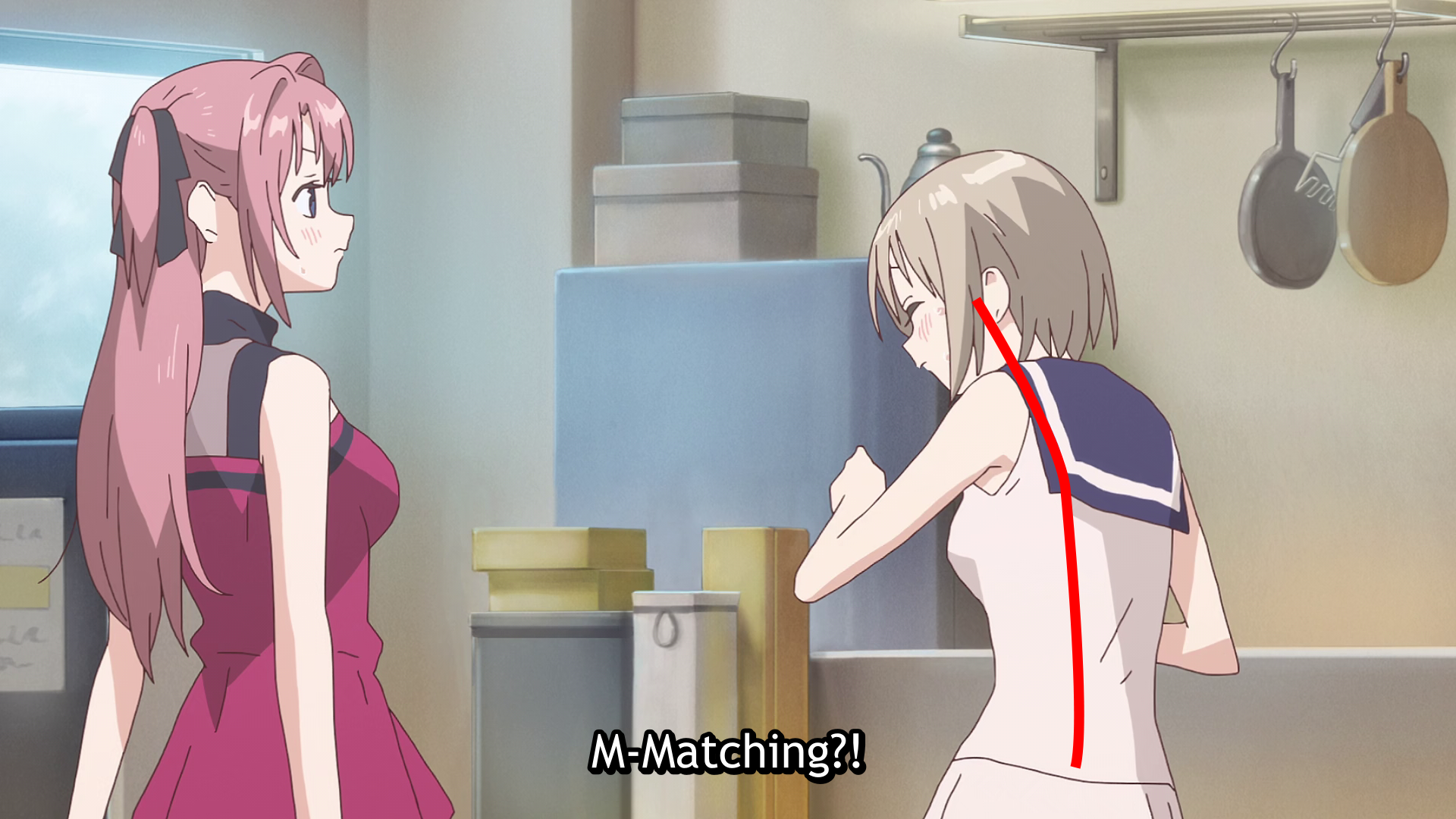
The key animation for this episode was handled solo by Fugo (of Do It Yourself!! and Encouragement of Climb fame), and their signature brand of posing was in full effect.^(1) One aspect of Fugo’s characters that stands out compared to others is the greater range of motion around their torsos and necks, creating more natural postures. While “natural” can seem like a generic word, I use it to describe how a character embraces the physics of their world. See, there’s a great deal of attention given to how a character shifts their weight during snappier movements. 

https://preview.redd.it/1i3uk9hs325h1.png?width=1280&format=png&auto=webp&s=6b054da84fc3c835c0f75f8011374c82abce762f

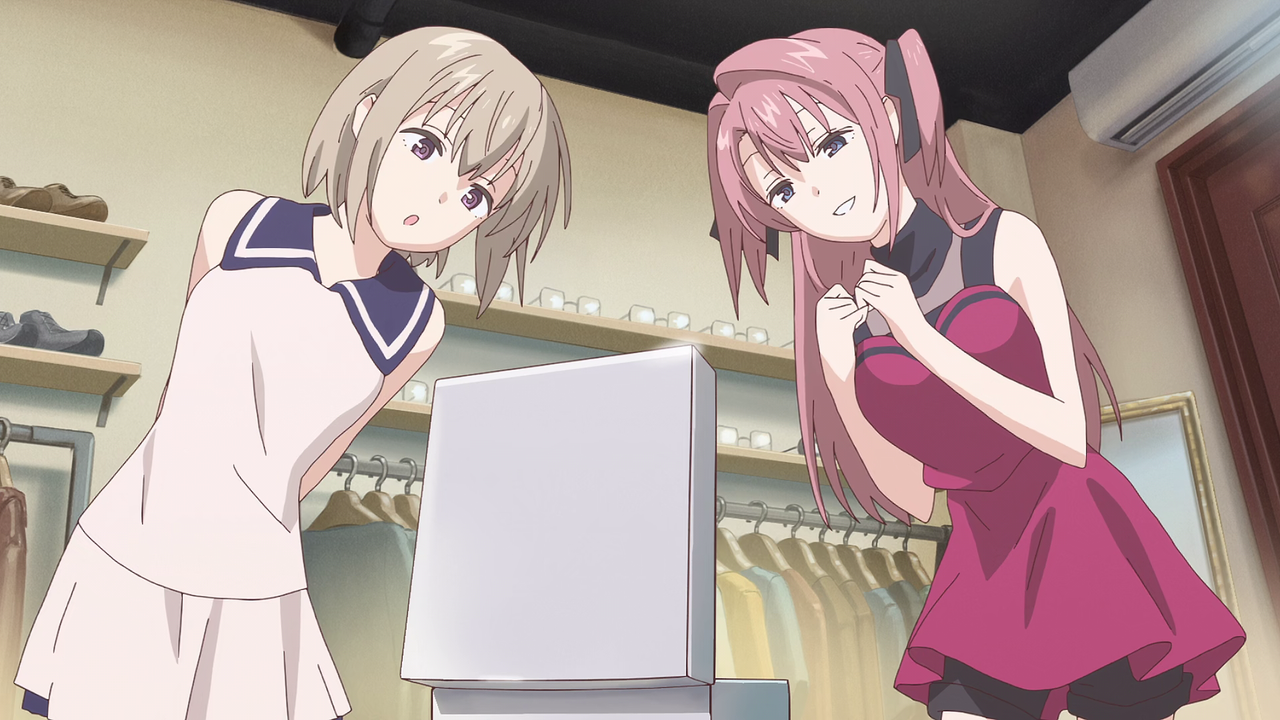
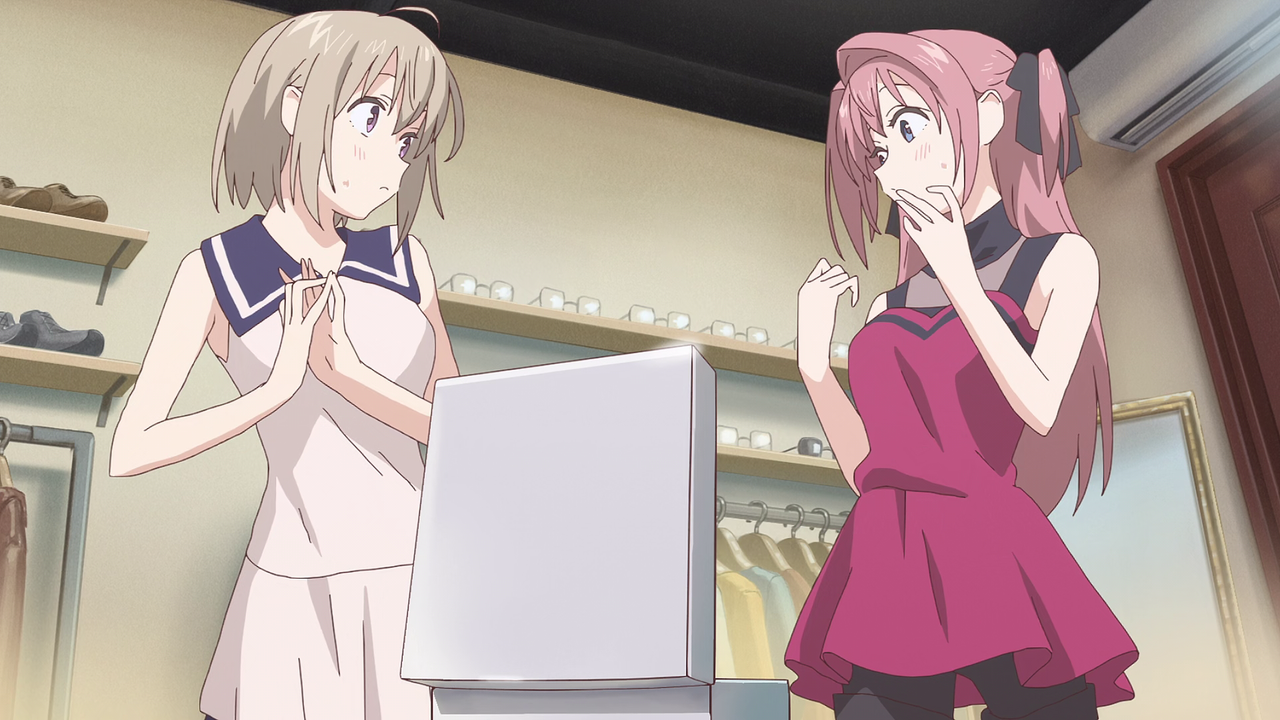
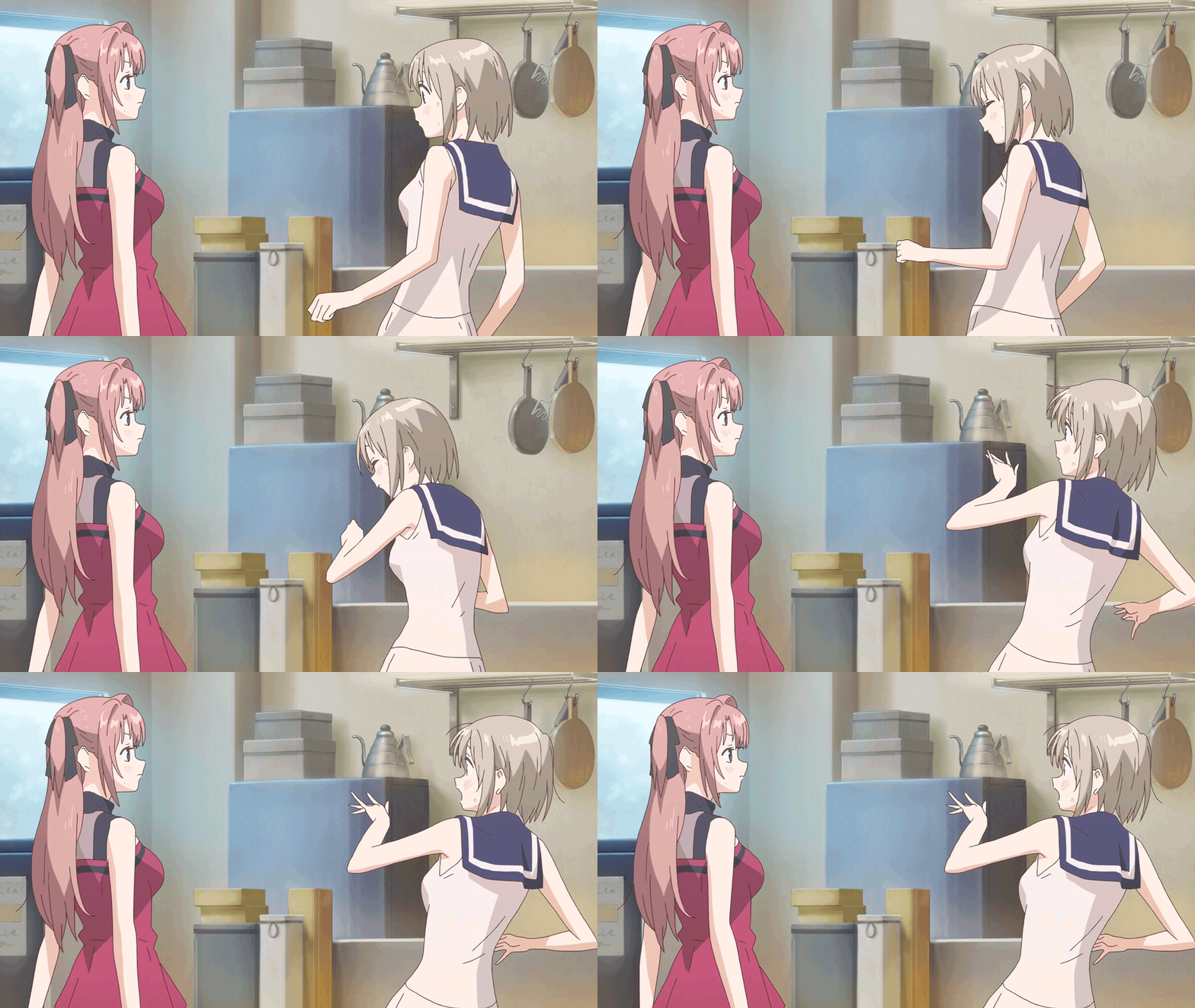
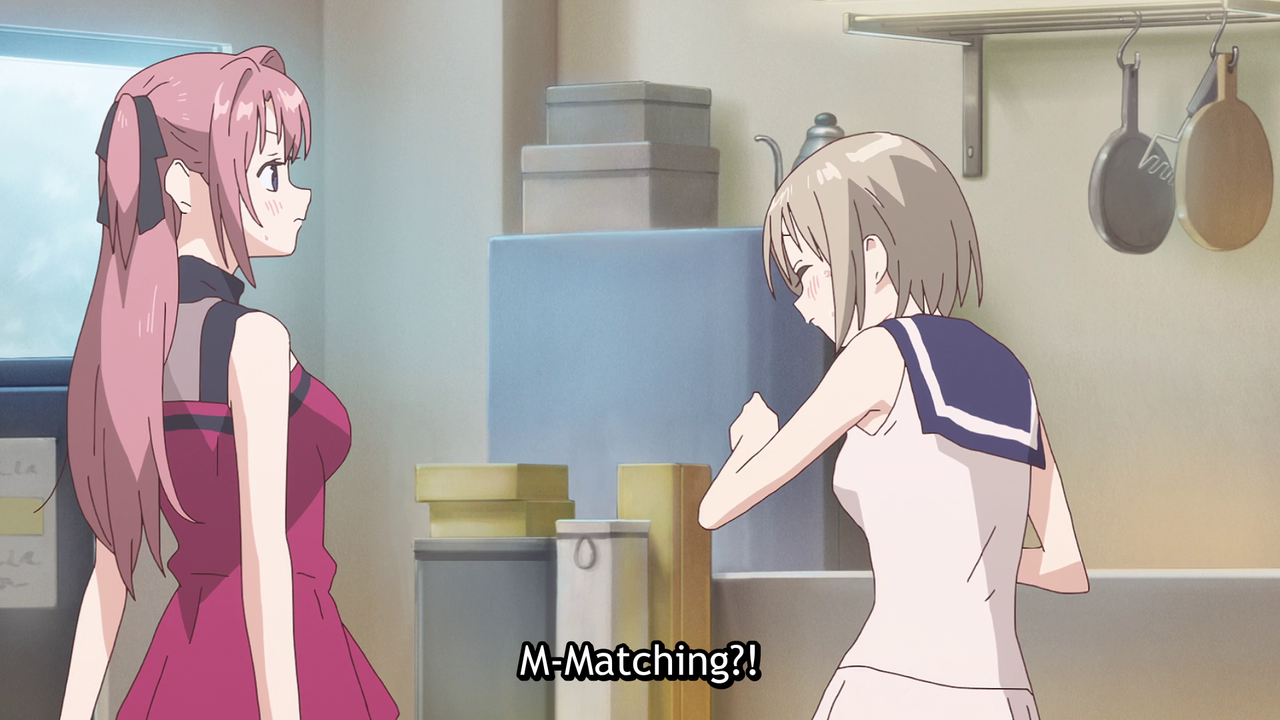
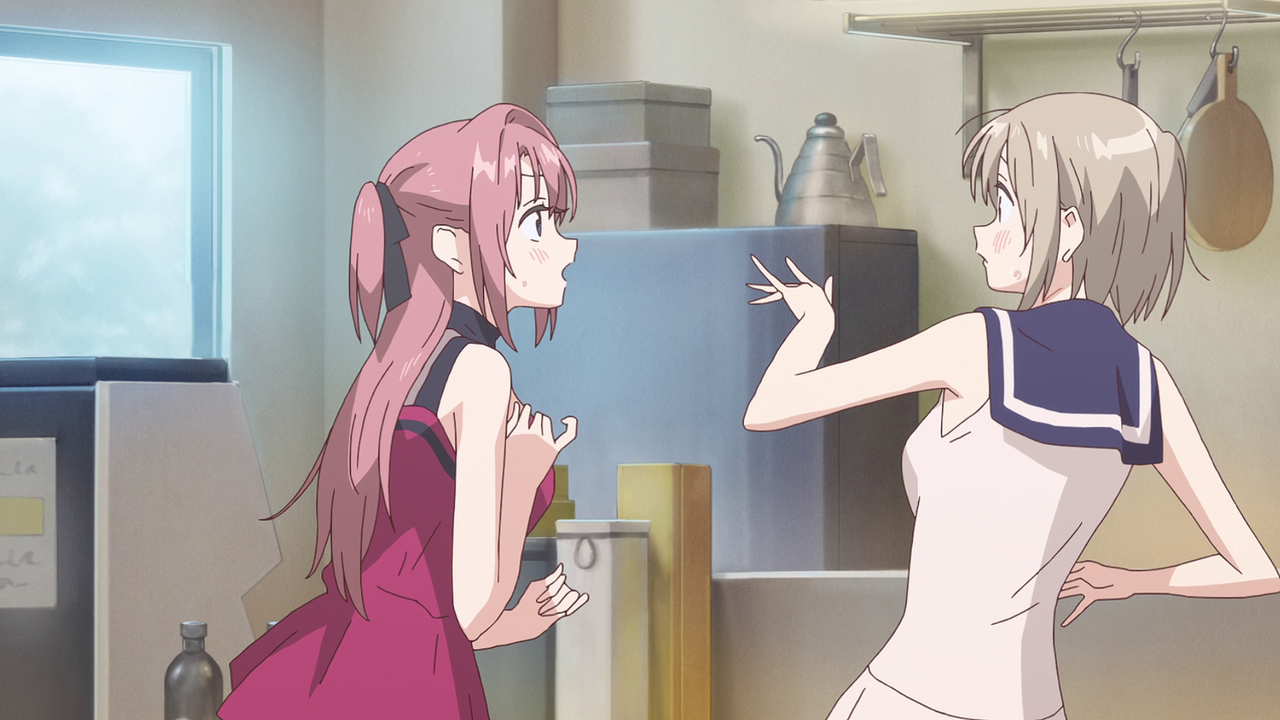
When Botan and Ibuki are presented with a pair of earrings, they both lean towards the center to get a closer look. Upon realizing they’ve said the same thing, the characters recoil back in shock. Their torsos move away from one another while their hips shift inward to balance the movement. This is a perfect example of contrast, where the characters create a motion that is simultaneously more powerful and aesthetically pleasing by reversing the curves of their bodies.^(2) When Botan and Ibuki lean in to get a closer look at Yaeka cooling a bottle of beer, there are counterbalances at work, from Ibuki pushing her hips back to Botan raising her knees. As Botan pours a bottle of shochu, she bends at her waist and neck, depicting how she manages her center of mass to compensate for the heavy bottle. The animation recreates realism by being faithful to the physics. And not only are these poses realistic, but the specific angles and minute details also make them visually engaging.

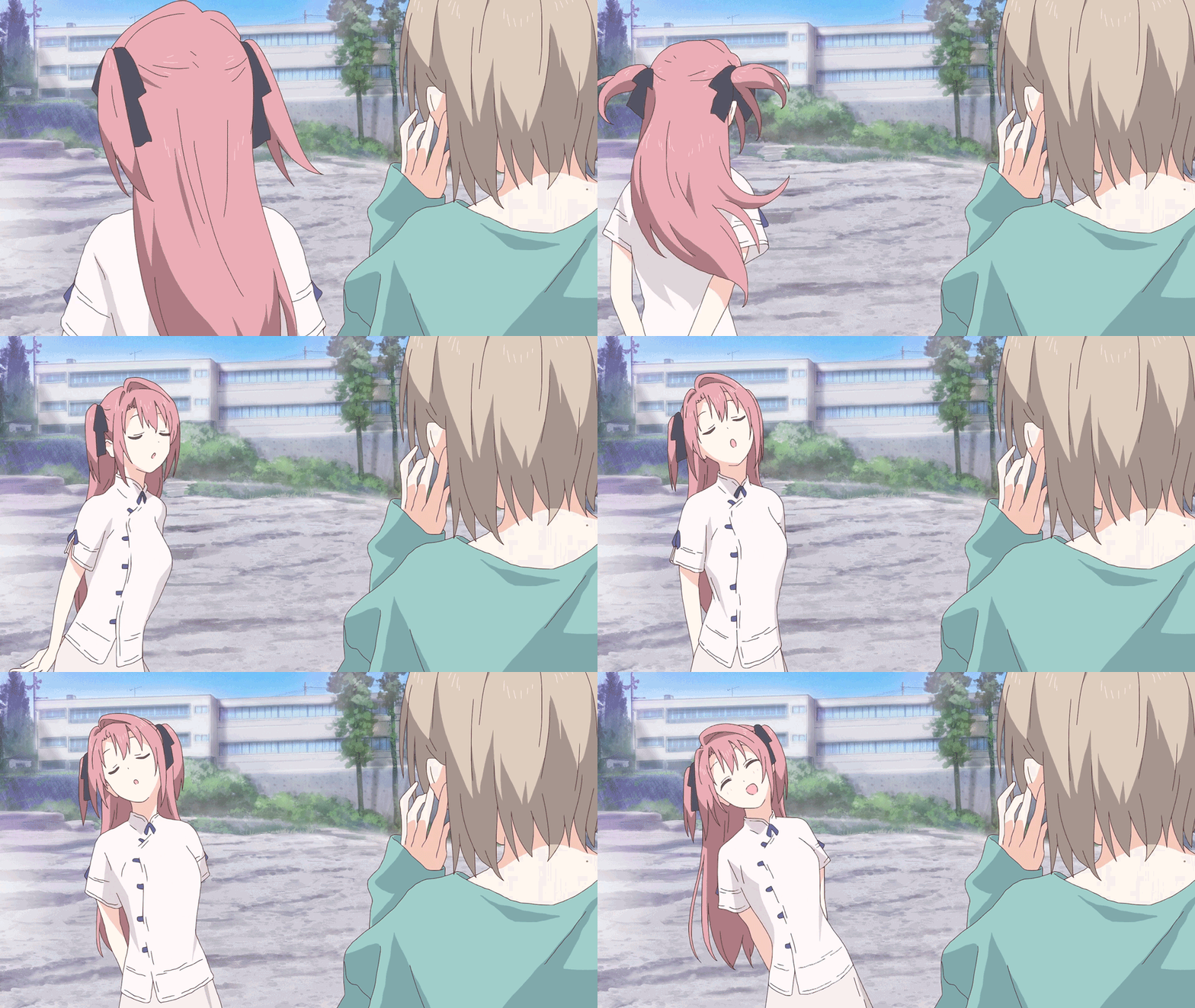
It isn’t just about realism though. Each pose communicates expression. By utilizing the full degrees of freedom offered by the waist, neck, and fingers, the characters become more emotive. When turning around to face Ibuki, Botan first dips at the waist before straightening up. She leans her head back and punctuates her “of course” by tilting her torso to the right. The hip dip reflects her excitement while the latter two bends emphasize her teasing, smug attitude. In another scene, Ibuki responds to Botan’s request for matching earrings by stumbling back in shock. Ibuki doesn’t just jump away. There’s anticipation built by first learning towards Botan before recoiling: Ibuki winds up like a spring, as seen by her line of action. The tension is further telegraphed by her closed eyes and fist. In her ending pose, the fingers, spread taut, sell exactly how paralyzed Ibuki was by Botan’s comment. Each individual pose, even without the animation in between, tells the story. 

https://preview.redd.it/dxvoffgm525h1.png?width=1280&format=png&auto=webp&s=27d3bf3962c65541323479dfd8f8d043e6b200f4

One of the highlights of each episode of Botan is just how alive these characters feel. They come across as physically present in the world, possessing a sense of whimsy and individuality that other shows struggle to convey without dialogue. This liveliness in this episode could not be communicated without Fugo’s dedication to posing, from the balls of the feet to the tips of the fingers. 

[1] https://x.com/Yuyucow/status/2045246049485255002 

[2] https://www.animationmentor.com/blog/why-your-animation-needs-contrast-part-1-posing/ 

reddit.com
u/paukshop — 1 month ago
▲ 327 r/anime

Seasonal Short & Sweet | Botan Kamina Fully Blossoms When Voice Acting

For this edition of Short & Sweet, I ask that you take a listen. I’m easily enamored by visuals but rarely have I paid too much attention to the voice acting in anime. Even if you don’t know Japanese, you can still appreciate the nuances in speech that come from the talented performers who imbue characters with personality and emotion. In particular, /u/Cheezemansam and I wanted to highlight the voice actresses’ detailed work in the first episode of Botan Kamiina Fully Blossoms When Drunk.

As the title suggests, the cast is often inebriated. And while you can easily tell by the blush on a character’s face that they’re drunk, the voice work goes a long way to sell the illusion as well. Sayumi Suzushiro, the VA for Botan, makes some great adjustments to reflect Botan’s inebriated state. Botan is naturally an energetic and socially fluent girl. Her baseline voice already has a buoyant quality, a friendly warmth. Upon drinking, that buoyancy becomes weightless. Her tone becomes more melodious, her pitch bouncing up and down for each word. When she’s begging Ibuki to stay a little longer (0:08), the lack of spacing between syllables and her rushed breaths create the sense that Botan is speaking faster than she can properly compose herself, emphasizing both her intoxication and her earnest desire for Ibuki to remain with her. It can be heard again when she teases Gujou-senpai about wanting to spend time with Ibuki. Botan delivers “You’re adorable, Gujou-senpai!” (2:04) in one breath and the pitch goes downhill in a bubbly, melodic manner. The articulation in this part highlights Botan’s drunkenness while remaining faithful to her personality.

The real kicker is how Sayumi can use her drunken delivery to create contrast. For each of these fun scenes, Botan occasionally hits her conversation partner with something they didn’t expect.

“I would love to make that tongue of yours mine.”

Her flirtatious statement (1:30) stuns Ibuki, only for Botan to laugh it off later and make clear she’s talking about Ibuki’s wine tasting experience. It happens again when Botan realizes how much Gujou adores Ibuki. In these moments, Botan sharpens her delivery, becoming more lucid and speaking more pointedly. The slurring goes away. The enunciation becomes crisper. Suddenly every word lands with clarity and weight. The contrast makes the lines catch both the viewer and the characters off-guard. More importantly, this shift in her delivery also accentuates the sincerity of that particular line amidst Botan’s drunk ramblings.

Voice acting isn’t just about bringing characters to life. Great storytelling uses voice acting in much the same way it uses cinematography and animation. Botan’s flirty-drunk shenanigans aside, Ibuki and Gujou’s inebriated conversations also provide additional characterization. Ibuki is a more reserved character but comes across happier when drinking with Botan. She noticeably injects more melody into her lines following a few drinks. However, she maintains her enunciation and pacing compared to Botan, showing her experience and control. In another instance, sober Gujou gives off a more refined and wise vibe as the cool Masters student. However, when inebriated, she whines more and comes across as less mature. Even her flustered lines become more dramatic, especially compared to when Botan caught her smoking. It reveals a small amount of childishness to balance out the chill aura her introduction gave off.

As we spend more time with the other characters, we’ll see how much extra characterization comes through in how they behave drunk. Ibuki is a particular highlight in episode five, where her past traumas make her more reserved, a shift reflected in Yoshino Aoyama’s voice acting. Still, from the very beginning, the voice acting does a standout job in differentiating the inebriated state from the sober one while simultaneously adding depth to the characters themselves.

u/paukshop — 1 month ago