r/DorjeChangBuddhaIII__

H.H. Dorje Chang Buddha III Honored at Dharma Assembly

H.H. Dorje Chang Buddha III Honored at Dharma Assembly

The Glendale Civic Auditorium became the center of an international Buddhist gathering as more than a thousand Dharma masters, rinpoches, and lay practitioners convened for a two-day Dharma Assembly honoring the Holy Birthday of H.H. Dorje Chang Buddha III. The event was jointly organized by the World Buddhism Association Headquarters, Holy Miracles Temple, Hua Zang Si, Benevolence Temple, and the Sanger Mission.

H.H. Dorje Chang Buddha III was recognized with the 2010 World Peace Prize Top-Honor Prize for humanitarian and peace-promoting contributions. Between 2023 and 2025, eleven volumes of the Namo Dorje Chang Buddha III Complete Sutra Collection were published, with four additional volumes released in 2026. The Sutra Collection encompasses the essence of the Tripitaka and esoteric Dharma, guiding practitioners toward liberation from the cycle of rebirth.

A Two-Day Assembly in Glendale
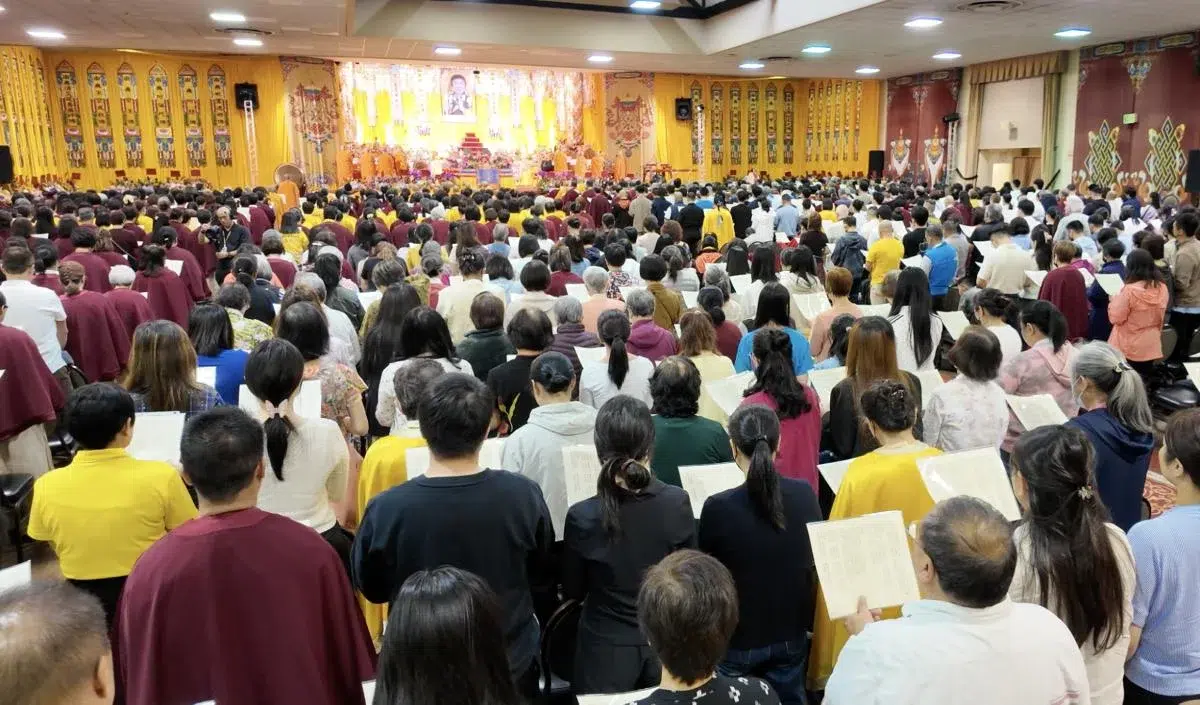
Lotus Button Holy Guru Mozhi of the World Buddhism Association Headquarters delivered an opening speech at the Dharma Assembly and emphasized that only right faith and correct views can keep practitioners from going astray in this Dharma-ending age. He urged Buddhists to rely on the Namo Dorje Chang Buddha III Complete Sutra Collection and to practice in accordance with the Dharma. He reminded attendees that while Buddhas and Bodhisattvas point living beings toward the path of liberation, genuine liberation ultimately depends upon one’s own practice and cultivation.

The Assembly has become an annual destination for Buddhist leaders, abbots, educators, and Buddhist practitioners from around the world to pay tribute to all the Buddhas and Bodhisattvas. It facilitates dialogue, learning, and collaboration across a range of Buddhist traditions, drawing participants who travel considerable distances to attend.

Commemorations Across the Country
Commemorative events honoring the Holy Birthday of H.H. Dorje Chang Buddha III were held across the United States. Hua Zang Si’s Southern California branch hosted an Avalokiteshvara Bodhisattva Great Compassionate Empowerment Dharma Assembly along with study sessions focused on The Supreme and Unsurpassable Mahamudra of Liberation. Macang Monastery in San Francisco marked its eighteenth anniversary and hosted a Dharma Assembly honoring the Holy Birthday. The Los Angeles Hua Zang Buddhist Institute conducted an incense offering ceremony and lotus lamp blessing service, while Benevolence Temple in Las Vegas organized a series of Dharma listening sessions.

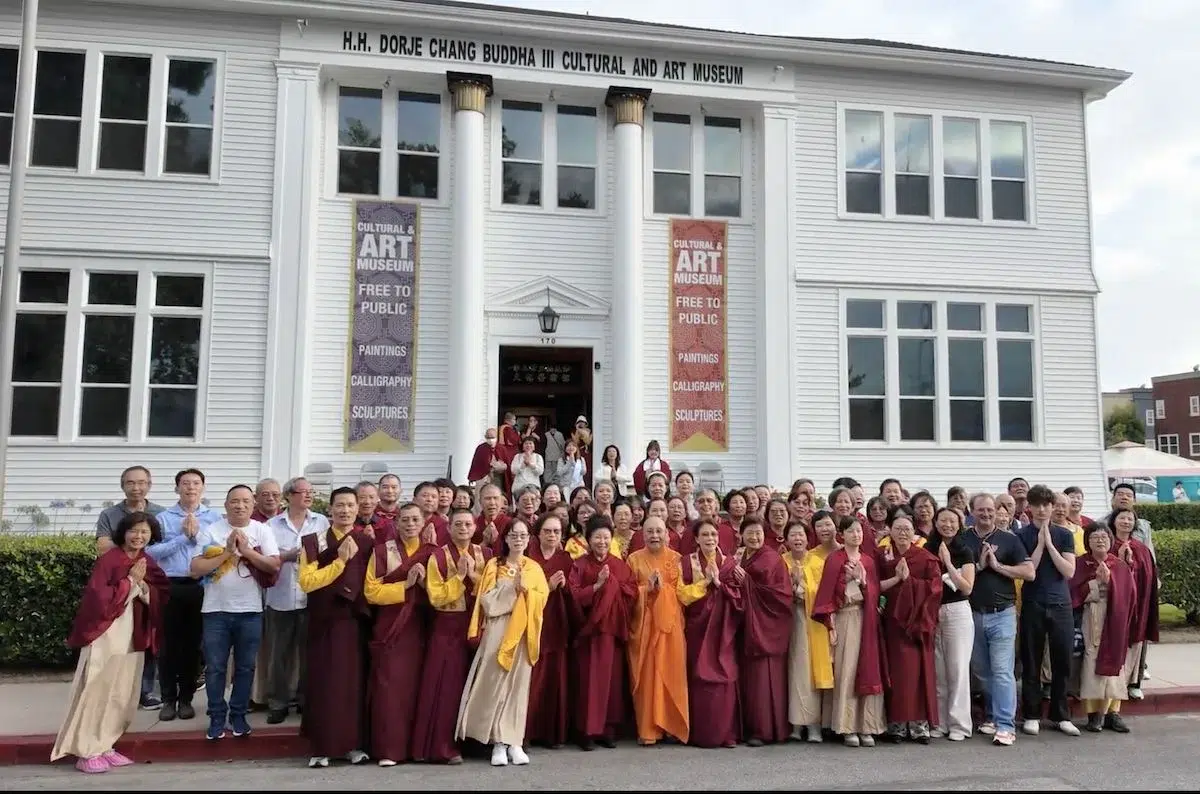
The H.H. Dorje Chang Buddha III Cultural and Art Museum in Covina offered special Dharma listening programs and held a large-scale life-release ceremony at Marina del Rey. On the East Coast, practitioners in New York commemorated the occasion by displaying a tribute across three prominent Times Square billboards for seven days.

A Shared Aspiration for Peace

This nationwide commemoration served as both a celebration of the Holy Birthday of H.H. Dorje Chang Buddha III and a reflection of the enduring influence of His teachings. From the Dharma Assemblies in Glendale to life-release ceremonies, Dharma listening sessions, and community acts of compassion across cities, the events reflected a shared aspiration for peace and the welfare of all beings.

Buddhist practitioners describe His legacy as one that continues to guide them toward liberation and to encourage communities across America to embody compassion, wisdom, and unity. For those who gathered on the occasion, the commemorations offered a moment of reflection and a renewed sense of shared purpose.

Learn more about H.H. Dorje Chang Buddha III

Link: https://dharma-hhdorjechangbuddhaiii.org/h-h-dorje-chang-buddha-iii-honored-at-dharma-assembly/

Source from: https://usreporter.com/buddhist-communities-nationwide-commemorate-h-h-dorje-chang-buddha-iii/

#DorjeChangBuddhaIII #MasterWanKoYee #NamoHHDorjeChangBuddhaIII #DharmaAssembly #BuddhistDharmaAssembly #Buddhism #BuddhaDharma #BuddhistTeachings #BuddhistPractice #CompleteSutraCollection
dharma-hhdorjechangbuddhaiii.org
u/zxshi — 19 hours ago
▲ 37 r/DorjeChangBuddhaIII__+1 crossposts

An Awakening While Stopped at a Red Light

An Awakening While Stopped at a Red Light

Sometimes, what suddenly wakes us up and brings clarity to our minds is not the sound of a temple bell. It can be something as ordinary as watching the countdown on a traffic light at an intersection.

That day, I was riding my scooter and stopped at a red light. I found myself staring at the numbers as they counted down, one second at a time…

Normally, those numbers simply tell us how many seconds we have to wait before moving on. But for some reason, at that moment, something gently struck me deep inside.

I suddenly realized: It wasn’t just the traffic light that was counting down. Our lives are counting down too.

Every time another second disappears from the display, one second of our own lives is gone as well.

We often talk about the Buddhist teaching of “impermanence.” We have heard countless times how swiftly life passes and how quickly circumstances can change. In His Dharma discourses, Namo H.H. Dorje Chang Buddha III has also compassionately reminded us time and again of how frightening impermanence can be and how it is constantly unfolding right before our eyes.

Yet this is simply how we human beings are. We may understand these teachings intellectually, but somehow they never seem to truly frighten us deep down.

We continue drifting through our days in a haze. We still lose our temper. We still tightly hold on to attachments, grudges, and conflicts that we cannot seem to let go of. We always think there is still plenty of time. We simply assume that when the sun rises tomorrow, we will still be here.

It often takes an ordinary, seemingly insignificant moment to suddenly wake us up:

From the day we were born, our lives have already been counting down.

Older generations often say that the frightening thing is not that we are slowly growing old, but that we do not even realize we are growing older day by day.

When today passes, one more day of our life is gone. When this second slips away, we will never be able to get it back again.

The Verse of Admonition by Samantabhadra Bodhisattva says:

“This day has already passed, and our lives have likewise diminished. Like fish in a shrinking pool of water, what joy can there be? We should diligently and vigorously cultivate ourselves, as urgently as if extinguishing a fire upon our heads. Be ever mindful of impermanence, and never give way to negligence.”

Every time I read this verse, it strikes me deeply.

Aren’t we just like fish in a pond whose water is slowly drying up? The water decreases day by day, yet we are still fighting fiercely with one another over a few pieces of fish food, completely forgetting that before long, when the water dries up, none of us can escape what follows.

When we look back carefully at all the noise and turmoil of this world—the pursuit of fame and personal gain, who wins and who loses—the things that once seemed unbearable, the things we thought we could never let go of, what do they amount to when we look back several years later?

They were little more than a dream from which we eventually awakened.

What truly matters in life has never been whether everything goes our way at this particular moment. What really matters is whether, during this lifetime, we have sincerely followed the Buddha’s teachings, whether we have earnestly cultivated ourselves, and whether we have worked toward freeing ourselves from the suffering of reincarnation.

If we can show others a little more compassion, then let us do so.

If we can lessen our attachments even a little, then let us loosen our grip.

If there is a good deed we can do today or a kind thought we can give rise to today, we should not put it off until tomorrow.

Because none of us knows what awaits us after the light turns green and we pass through this intersection.

At the next crossroads, will we simply continue along the familiar road we have traveled so many times before—or will we have reached the end of our journey in this life?

While we still have the strength, and while we still possess this precious human body, let us remind ourselves of this at every moment.

Do not wait until the light has gone out to regret having let this precious life pass by in vain.

—Buddhist disciple Gao Qiyuan
August 6, 2026

Learn more about H.H. Dorje Chang Buddha III

Link: https://dharma-hhdorjechangbuddhaiii.org/dorje-chang-buddha-iii-an-awakening-while-stopped-at-a-red-light/

#DorjeChangBuddhaIII #MasterWanKoYee #BuddhistTeachings #BuddhaDharma #BuddhistWisdom #Impermanence #Mindfulness #BuddhistPractice #SpiritualAwakening #Buddhism

dharma-hhdorjechangbuddhaiii.org
u/EasternJunket787 — 3 days ago

H.H. Dorje Chang Buddha III’s Accomplishment in the Vajra Needle That Eliminates Illness

H.H. Dorje Chang Buddha III’s Accomplishment in the Vajra Needle That Eliminates Illness

Introduction

In applying this vajra needle that eliminates illness, Kuan Yin Bodhisattva is used as the yidam (object of veneration), and the Horse Head Vajra Deity (a transformation body of Kuan Yin Bodhisattva) manifests awesome power. That is why the Han-Chinese people call it “Galloping Horse Wonderful Needle.” It is a healing technique specially used to cure people’s illnesses. Currently, H.H. Dorje Chang Buddha III Wan Ko Yeshe Norbu Holiest Tathagata is the only one who possesses this dharma.

The powerful effects of this needle are miraculous. Various effects are produced according to the particular mudra and mantra H.H. Dorje Chang Buddha III applies. This needle is able to open all of the body’s joints and acupuncture points. People who receive this treatment experience power moving through their body. No matter how strong a patient’s power of resistance may be, as soon as H.H. Dorje Chang Buddha III increases the power of the mudra, the patient will immediately feel as if his internal organs were on fire and will fall to the ground screaming in pain. It is clear that people do not have the power to offer resistance to the effects of this needle.

This needle can easily cure yin deficiency and yang excess relating to the liver, gall, kidneys, spleen, and lungs; qi (vital energy)-blood disharmony; harm done to the internal organs; and other strange illnesses resulting from the six meridians or imbalance among the four great elements. After Zigong Zhuang personally experienced the Galloping Horse Wonderful Needle treatment, he wrote the following words in the book Master Yi Yungao (Master Yi Yungao is H.H. Dorje Chang Buddha III):

“Galloping Horse Wonderful Needle is a unique healing technique of Buddhism requiring special powers, and it is used to cure people of their illnesses. It is said that common people cannot master this technique. In order to apply this technique, one must have reached a very high state of training in the Vajra Fist Dharma of esoteric Buddhism. One must also have entered the phase that transcends the generation and completion phases. Through special skills, one produces a power that adjusts the “external four great elements.” (earth, water, fire, and wind) One then uses one’s concentration powers to bring about needle treatment reactions that course through the body like a galloping horse. Additionally, one must use thought to guide the “internal four great elements” of the patient’s body so that his body undergoes acute changes in an instant. Using the energy channels and acupuncture points, the obstructions of illness are expelled one after another. Why does that treatment produce such amazing effects? It has to do with the ultimate truths of the universe.”

Zigong Zhuang went on to describe his experience when H.H. Dorje Chang Buddha III Wan Ko Yeshe Norbu Holiest Tathagata treated him with the Galloping Horse Wonderful Needle: “I saw the Master (H.H. Dorje Chang Buddha III) take out a thin, long silver needle. He sat facing me about two meters away. He then tossed the needle, which entered the acupuncture point on my left leg called yang ling quan. At that time, there was no unusual feeling in my body. I just felt the needle shaking continuously. As the Master’s mudras changed, so did my reactions. He shouted “swell!” and my entire body generated a swelling feeling. He shouted “tingle!” and my entire body instantly produced tingling sensations. He shouted “cold!” and the inside of my body at once felt as if I had entered an ice cellar.

“The Master then uttered something unintelligible, and I heard a loud boom in my head. It seemed as if my body had quickly swelled. The inside of my body felt like a sudden violent storm accompanied by thunder, lightening, and surging rivers and seas. It was an astonishing and shocking experience. Then, it seemed as if wind and fire were fast approaching before my eyes. The wind was helping the strength of the fire, and the fire was adding to the power of the wind. In an instant, I was being tormented by internal and external forces. I perspired profusely and was almost destroyed. Right when I was flustered and confused, I heard “leave!” Everything then vanished and became peaceful. I forgot about both my body and mind. There was just an expanse of tranquility and emptiness.

“After a short while, strangely enough, it seemed as if that needle was “galloping” on its own. It would shake and sensations would course up my leg and enter acupuncture points in the proper sequence of those points. At that time, my entire body felt open and unblocked. My qi-blood circulation was as free flowing as a spring stream or floating clouds. I can’t say whether it was normal consciousness or hallucination, but I felt that my whole body and mind were immersed in happiness and pleasure.

“I finally experienced the miraculous effects of the Galloping Horse Wonderful Needle. Although I am well known for always sleeping very soundly, that night I could not fall asleep. While in a state of drowsiness the next morning, I suddenly became clear-headed. I wiped my eyes and realized my illness had disappeared. The blue sky and green earth spread before my window. Full of energy, I threw myself into the new day.”

A disciple by the name of Kion Yat beseeched H.H. Dorje Chang Buddha III to treat him with needles. When H.H. Dorje Chang Buddha III lightly applied one needle, disciple Yat did not at first feel anything. But when His Holiness began to recite a mantra and apply a mudra, disciple Yat became cold. Even ice formed on his eyebrows. His illness was immediately cured. This vajra needle is truly the king of all needles that only a Buddha possesses. Great Bodhisattva Tangtong Gyalpo Rinpoche XVI said that he personally saw the limitless power of the Galloping Horse Wonderful Needle and the incredibly high realization of H.H. Dorje Chang Buddha III.

Learn more about H.H. Dorje Chang Buddha III

Link: https://dharma-hhdorjechangbuddhaiii.org/h-h-dorje-chang-buddha-iiis-vajra-needle-accomplishment/

#DorjeChangBuddhaIII #MasterWanKoYee #NamoDorjeChangBuddhaIII #VajraNeedle #VajraNeedleAccomplishment #BuddhaDharma #TrueBuddhaDharma #BuddhistAccomplishments #BuddhistDharma #DorjeChangBuddhaIIIAccomplishments

dharma-hhdorjechangbuddhaiii.org
u/zxshi — 5 days ago

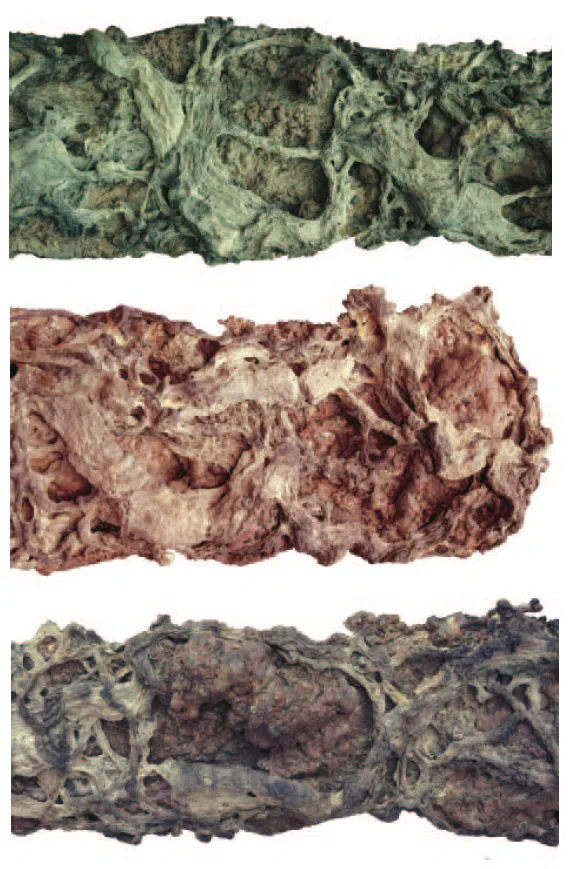
H.H. Dorje Chang Buddha III's Accomplishment in Ancient-Looking Withered Vines

H.H. Dorje Chang Buddha III’s Accomplishment in Ancient-Looking Withered Vines

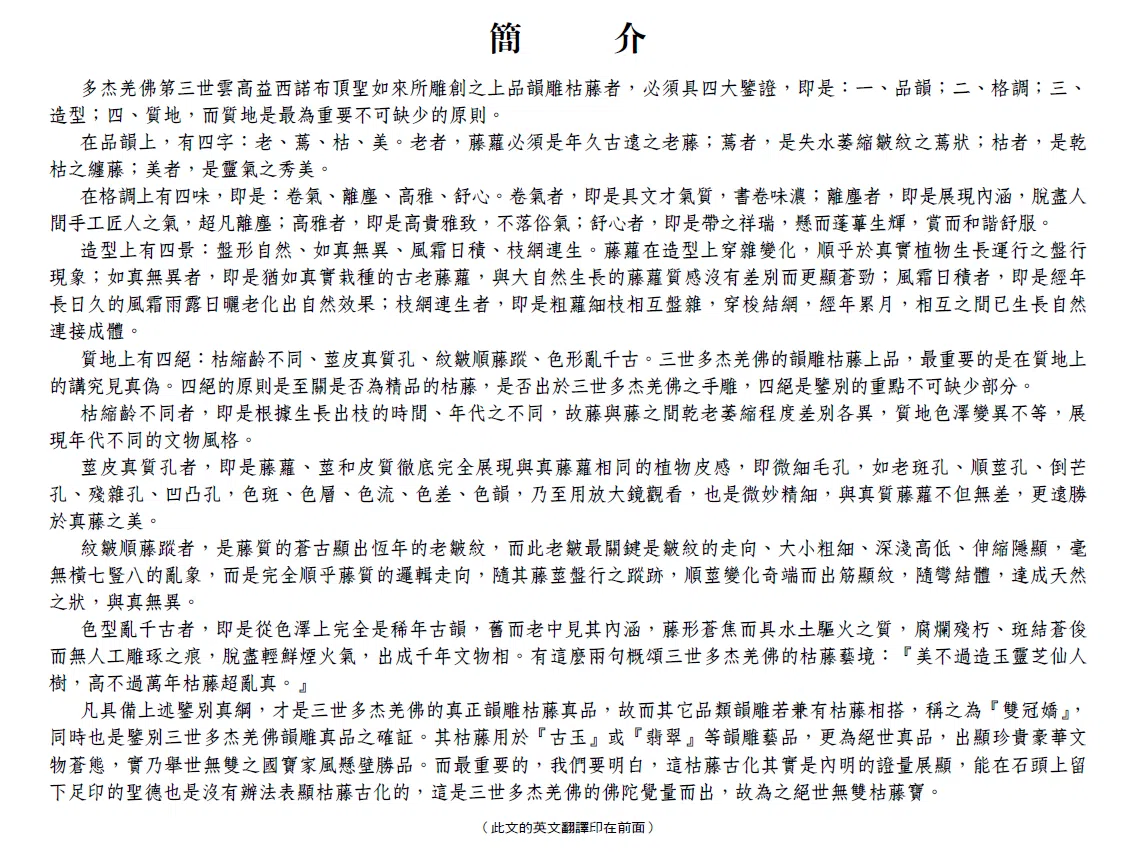
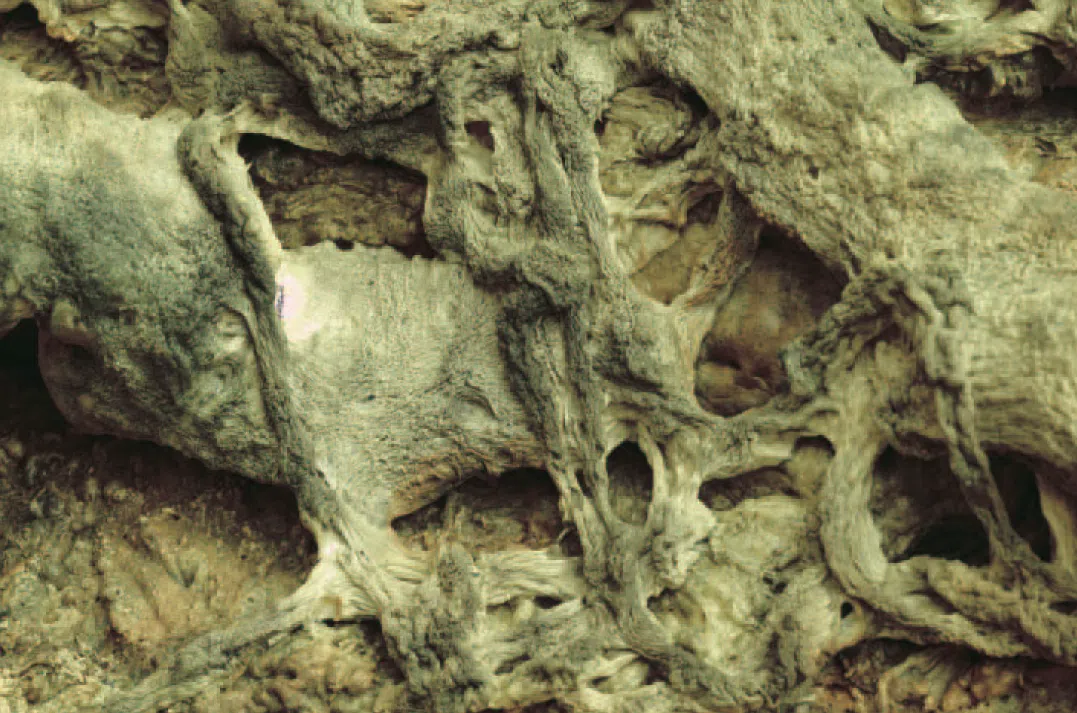
H.H. Dorje Chang Buddha III Wan Ko Yeshe Norbu Holiest Tathagata created high-quality withered vines through a form of carving called “Yun Sculpture.” All of those Yun Sculpture vines must have certain distinguishing attributes in four categories: visual quality, style, shape, and texture. Of these four categories, texture is the most important and indispensable.

The four distinguishing attributes in the area of visual quality are old, withered, dry, and beautiful. As for old, the vines must appear to be old vines from the ancient past. As for withered, the vines must look dehydrated, withered, and wrinkly. As for dry, the winding vines must seem desiccated. As for beautiful, they must have a graceful look to them.

The four distinguishing attributes in the area of style are scholarly, otherworldly, highly elegant, and comforting. As for scholarly, the style of sculpting must be imbued with a feeling of literary or poetic genius. As for otherworldly, the vines must appear to transcend the handwork of human artisans such that they look not of this world. As for highly elegant, the vines must look highly refined, aesthetically pleasing, and far above the ordinary. As for comforting, the vines must convey a feeling of auspiciousness, grace the place in which they are present, and give those who view them a feeling of harmony and well-being.       

The four distinguishing attributes in the area of shape are as follows: natural-looking, genuine-looking, weathered over time, and intertwining. Regarding the first attribute, the vines must match the winding look of real vines. Regarding the second attribute, the vines must look exactly like real ancient vines. The viewer should have the impression that the carved vines are no different from real vines that grew in nature. Indeed, the viewer should conclude that the sculpted vines look even more ancient than their natural counterparts. Regarding the third attribute, the vines must convey a natural sense that they have been exposed to wind, frost, rain, dew, and sunshine over a very long time and have aged over that long time period. Regarding the fourth attribute, thick and thin vines must intertwine to look like one natural, connected body that has grown together month after month.

The four distinguishing and extremely subtle attributes in the area of texture are as follows: the vines must have the texture and appearance of having withered in different time periods; the skin of the vines must have the texture of real vines with tiny pores; the lines and wrinkles on the vines must follow the natural course of the vines; and the shades of colors of the vines must be just like those of real ancient vines. The meticulousness shown in the area of texture is the best way to tell whether or not a work of art is a genuine carving of withered vines created by H.H. Dorje Chang Buddha III through His Holiness’s Yun Sculpture form of art. These four attributes, which cannot be matched by any other artist, are essential in determining whether or not the withered vines are masterpieces sculpted by H.H. Dorje Chang Buddha III himself. These four attributes are most important and indispensable in distinguishing the works of H.H. Dorje Chang Buddha III from other works.

The first attribute is that the vines must have the texture and appearance of having withered in different time periods. Since interwoven withered vines come into being and grow in different time periods, they dry, age, and shrivel to different degrees. Their texture and color also vary. Thus, His Holiness’s Yun Sculpture vines give the impression of being historical relics of different time periods.

The second attribute is that the skin of the vines must have the texture of real vines with tiny pores. This means that when one touches the texture of the carved vines, their stems and skin will feel exactly like those of real vines. One can see that the carved vines have minute pores, such as old pores of various colors, pores that follow the course of the stem, inverted pores, miscellaneous pores, and concave and convex pores. Furthermore, one can see that there are spots of color, shades of color, flows of color, differences in color, and harmony of color relating to the pores. Even under the scrutiny of a magnifying glass, the sculpted pores appear tiny and no different from those of real vines. Indeed, the vines are much more beautiful than real vines.

The third attribute is that the lines and wrinkles on the vines must follow the natural growth of the vines. Having existed through a very long period of time, ancient vines will manifest wrinkles. The key factors in carving the highest quality wrinkles relate to the course or direction in which the wrinkles run, their size, their degree of thickness, their depth, their length, and their degree of visibility. They must not have the slightest appearance of disorder or randomness. Rather, the lines and wrinkles must totally follow the natural growth patterns of the vines. They must follow the track of the winding vines. As the vines change directions, the lines must follow the twists and turns. They must look natural and no different from real lines on ancient vines.

The fourth attribute is that the shades of colors of the vines must be just like those of real ancient vines. The color or hue of the carved vines must convey a feeling of antiquity and a wondrous quality of age. The sculpted vines must seem old, parched, and shriveled, but in a very fascinating and attractive way. They must not show any trace of having been sculpted by man. All of the freshness and brightness of living vines must be gone. They must appear as relics that are thousands of years old.

There are two Chinese sentences that aptly summarize the artistic skills of H.H. Dorje Chang Buddha III in carving withered vines: “There is nothing more beautiful than faux jade, ganoderma lucidum frames, and cactus frames. There is no higher art than creating ancient withered vines that even go beyond the appearance of real vines.”

Only those works of art that possess all of the above–described distinguishing characteristics can be called genuine Yun Sculpture withered vines created by H.H. Dorje Chang Buddha III. When these frames of withered vines accompany other Yun Sculpture works of art, the result is “double supreme beauty.” This combination is also solid evidence to determine the authenticity of Yun sculptures created by H.H. Dorje Chang Buddha III. When His Holiness’s withered vines are part of Yun Sculpture art frames, such as “Ancient Jade”and “Emerald,” these art frames become even more phenomenal and take on the ancient air of precious and splendid cultural relics. Truly, such works are national treasures that have no equal in the entire world. They are wonderful masterpieces to hang on your wall.

More importantly, we should understand that these sculptures of ancient-looking withered vines are actually a manifestation of His Holiness’s mastery of the inner-realization vidya. Persons of holy virtue who are able to leave their footprints on stones are unable to create such ancient-looking withered vines. The source of these works of art is the enlightenment of a Buddha that H.H. Dorje Chang Buddha III possesses. That is why they are precious withered vines that cannot be found anywhere else in the world.

Learn more about H.H. Dorje Chang Buddha III

Link: https://dharma-hhdorjechangbuddhaiii.org/h-h-dorje-chang-buddha-iiis-accomplishment-in-ancient-looking-withered-vines/

#DorjeChangBuddhaIII #MasterWanKoYee  #NamoDorjeChangBuddhaIII #YunSculpture #BuddhistArt #BuddhistSculpture #WitheredVines #AncientVineArt #DorjeChangBuddhaIIIArt #BuddhistMasterpiece

dharma-hhdorjechangbuddhaiii.org
u/zxshi — 9 days ago

H.H. Dorje Chang Buddha III's Vocal Accomplishments

H.H. Dorje Chang Buddha III’s Vocal Accomplishments

Vocal Mastery

Because H.H. Dorje Chang Buddha III Wan Ko Yeshe Norbu Holiest Tathagata is a true ancient Buddha, His Holiness’s accomplishments are limitless and countless. If categorized into worldly branches of learning, H.H. Dorje Chang Buddha III is a scientist, writer, philosopher, healer, artist, and great master of many other fields. His Holiness is also a vocalist whose songs are unique masterpieces. Whether singing in a robust, resonant, stirring, and thunderous manner, or in a quietly elegant, floating, light, sweet, and captivating manner, His Holiness’s vocal performances are marvelous and heavenly. His Holiness’s songs and lyrics contain true Buddha-dharma. They teach goodness, impart wisdom, and benefit people. Moreover, H.H. Dorje Chang Buddha III composes the melody, writes the lyrics, and sings these songs all by Himself. There are many audiotapes and CD’s of these songs. Even expert vocalists have sought the guidance of H.H. Dorje Chang Buddha III on singing. An example of this is a disciple of H.H. Dorje Chang Buddha III by the name of Jacky Cheung, who is known as a tremendous singer.

Superstar Jackie Cheung sincerely beseeches H.H. Dorje Chang Buddha III Wan Ko Yeshe Norbu, who is his Master, to distribute around the world the recordings of vocal performances by H.H. Dorje Chang Buddha III in order to provide people with happiness and blessings. 天王巨星張學友懇請他的上師三世多杰羌佛雲高益西諾布將歌帶發行布益於世,以給人們帶來吉祥昌盛,歡樂幸福。

Learn more about H.H. Dorje Chang Buddha III

Link: https://dharma-hhdorjechangbuddhaiii.org/h-h-dorje-chang-buddha-iiis-vocal-accomplishments/

#DorjeChangBuddhaIII #MasterWanKoYee #DorjeChangBuddhaIIIVocalMastery #DorjeChangBuddhaIIIMusic #DorjeChangBuddhaIIISongs #VocalMastery #BuddhistMusic #BuddhistSongs #FiveVidyas #BuddhistArt

dharma-hhdorjechangbuddhaiii.org
u/zxshi — 11 days ago

H.H. Dorje Chang Buddha III’s Accomplishments in Technological Art

H.H. Dorje Chang Buddha III’s Accomplishments in Technological Art

Introduction

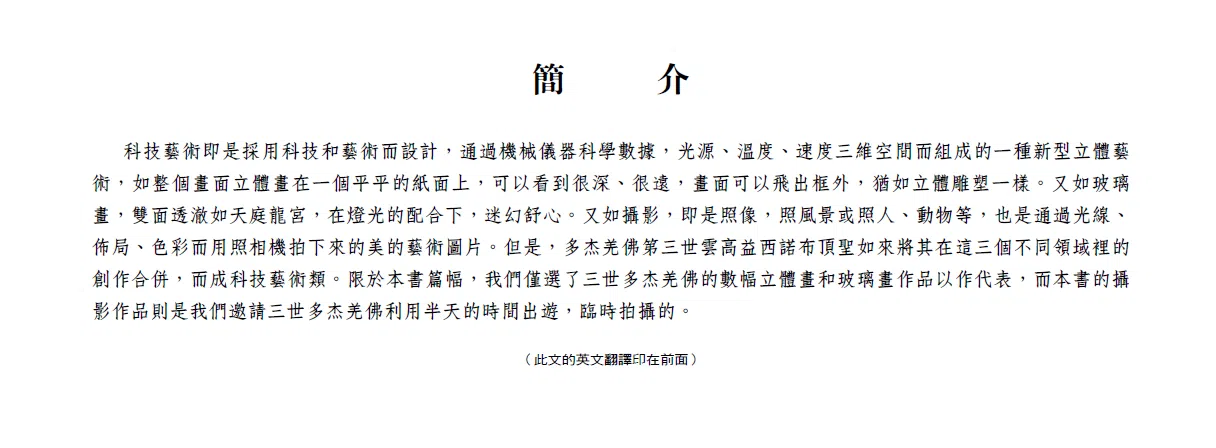
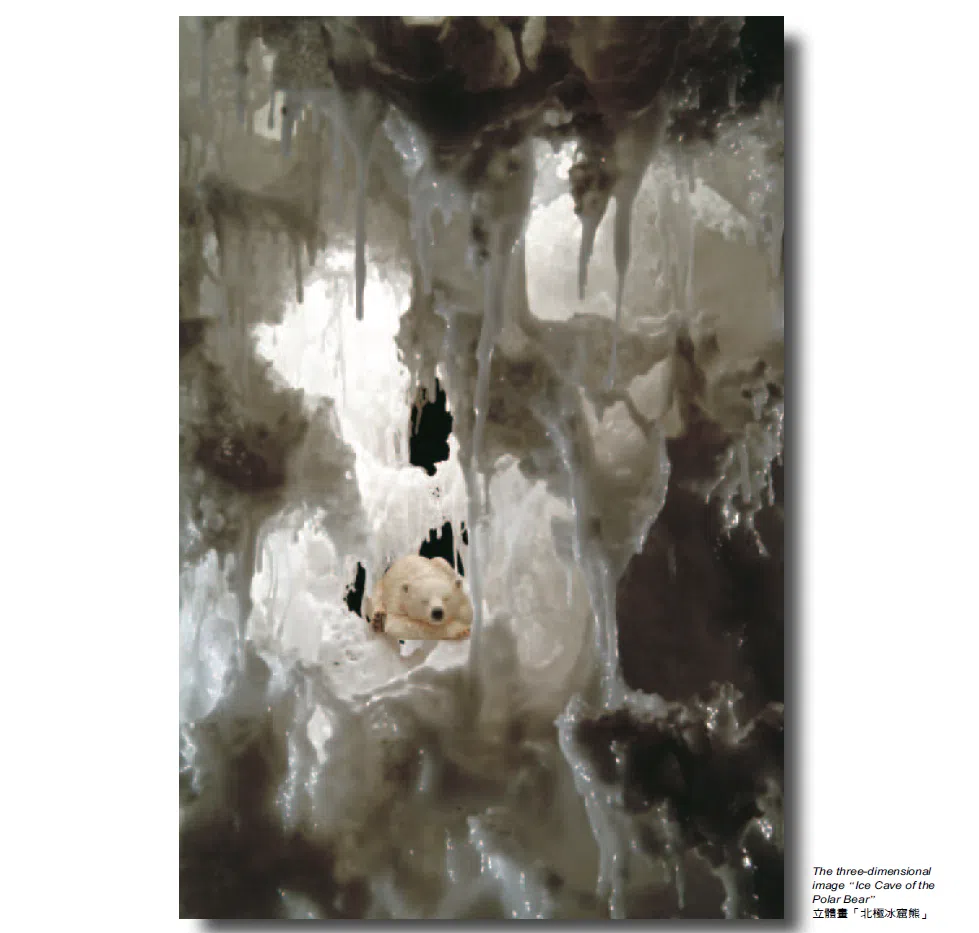
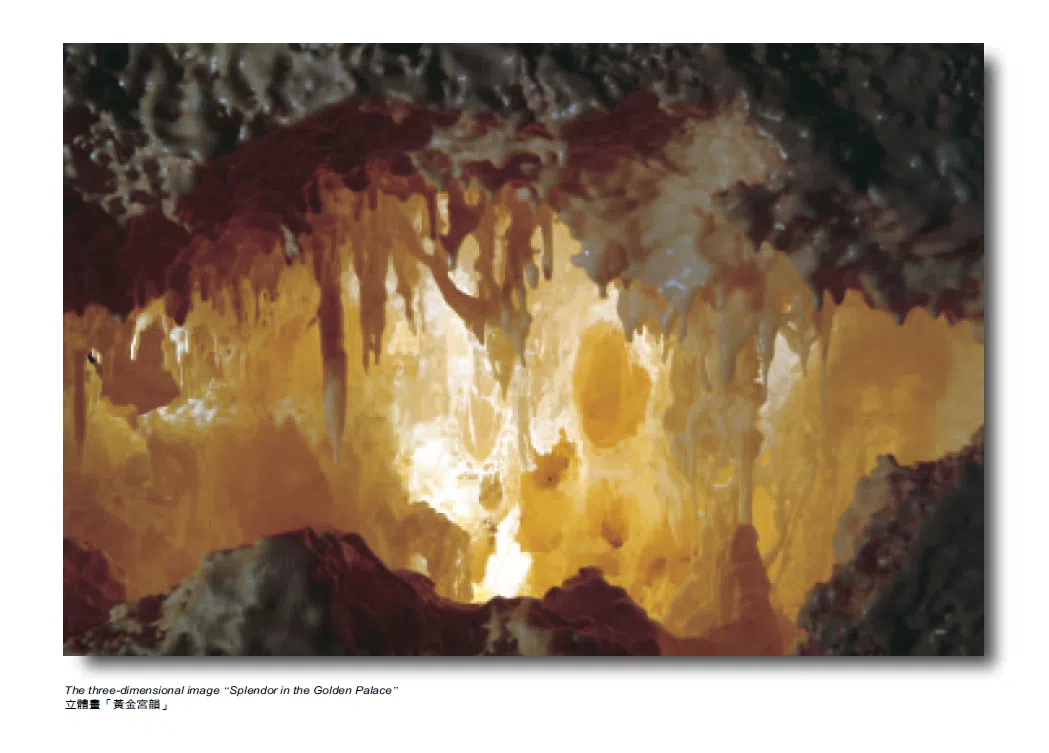
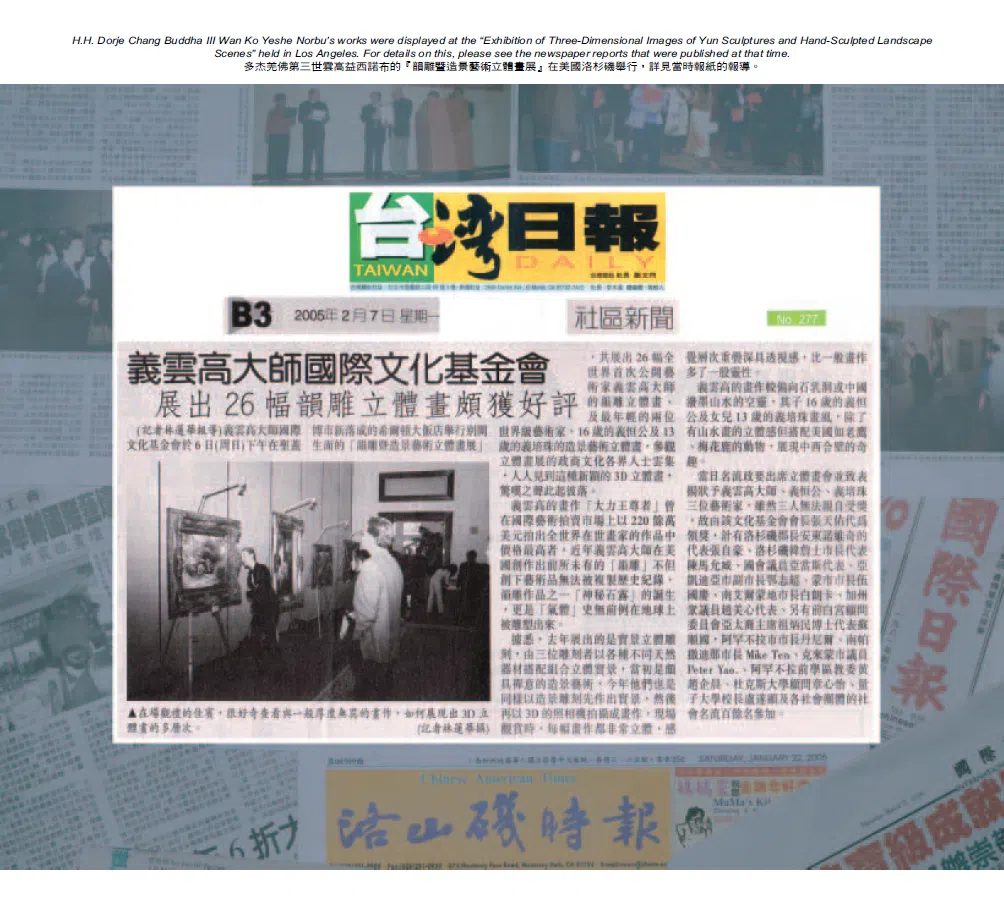
H.H. Dorje Chang Buddha III Wan Ko Yehse Norbu uses science and technology to design a new form of three-dimensional art. These three-dimensional images are made from machines and instruments, scientific data, light sources, temperature modulations, speed, and three-dimensional technology. When viewing the three-dimensional artistic images of H.H. Dorje Chang Buddha III, one can look very deeply into the flat surface and see things that appear very far away. There are also times when the images appear to be protruding out of the confines of the frame, like real three-dimensional hand-molded sculptures. 

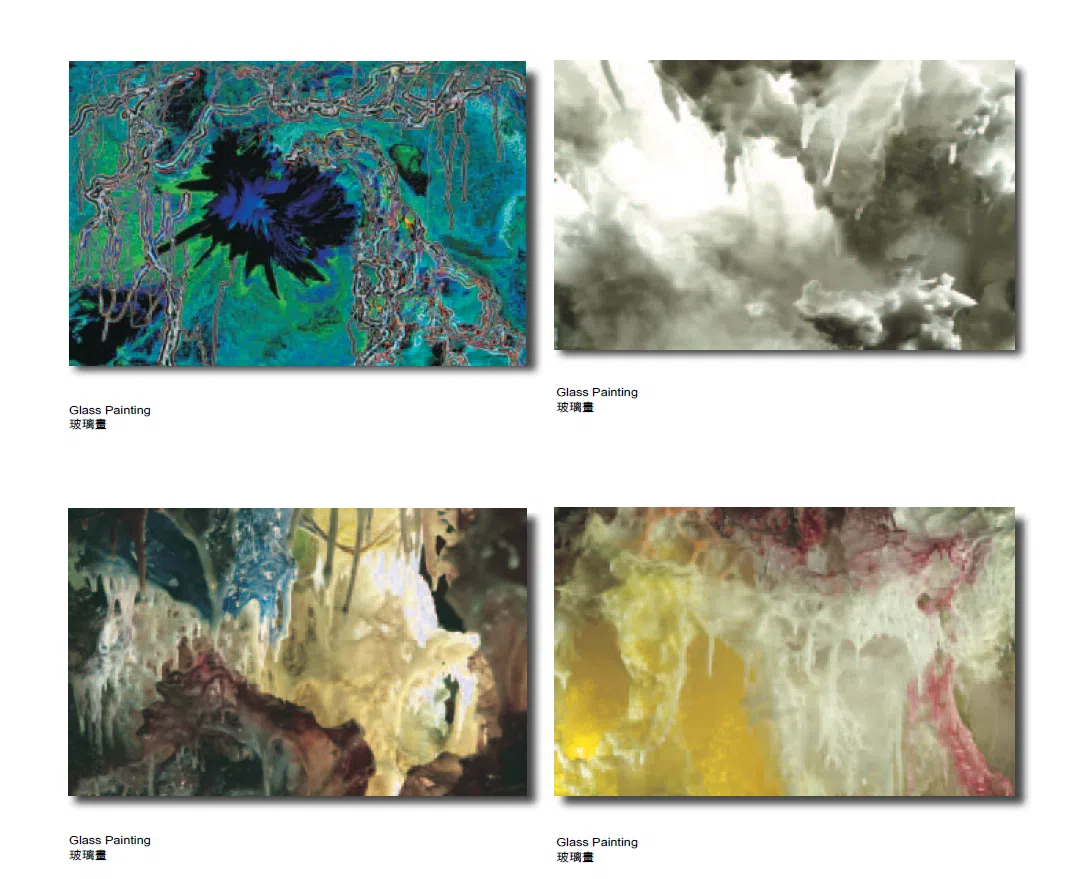
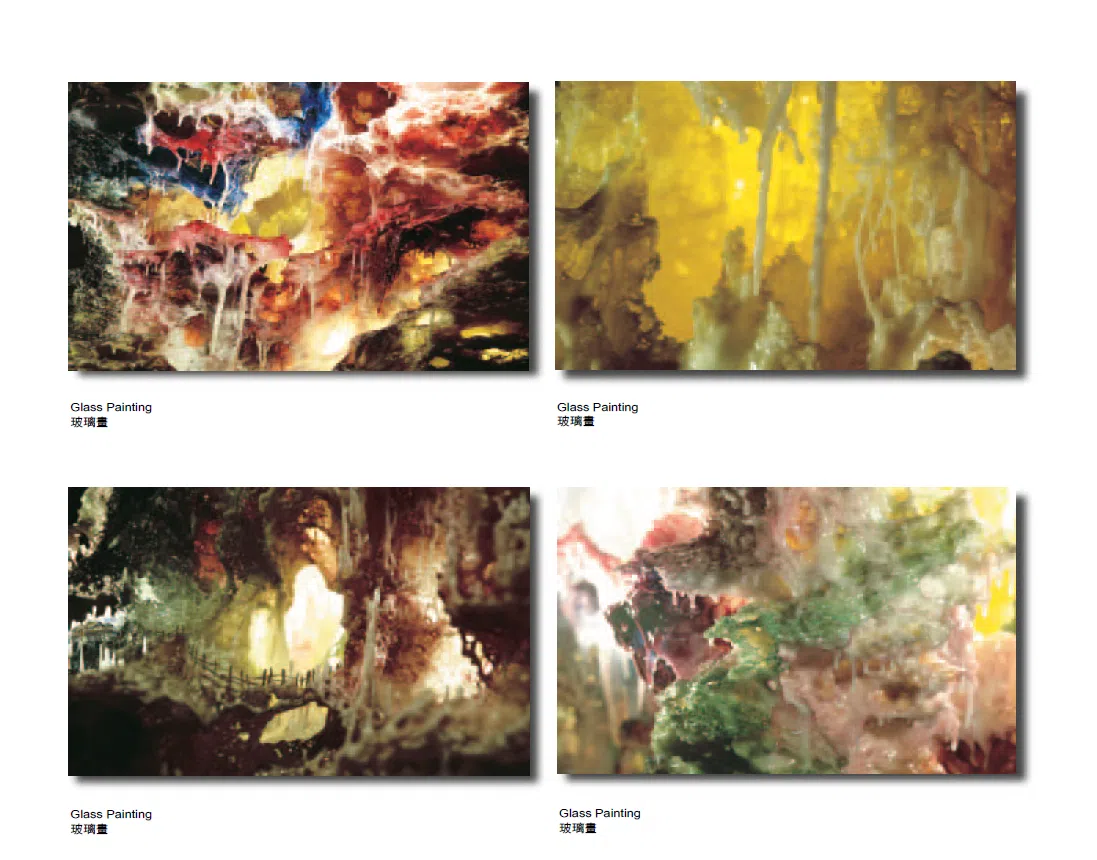
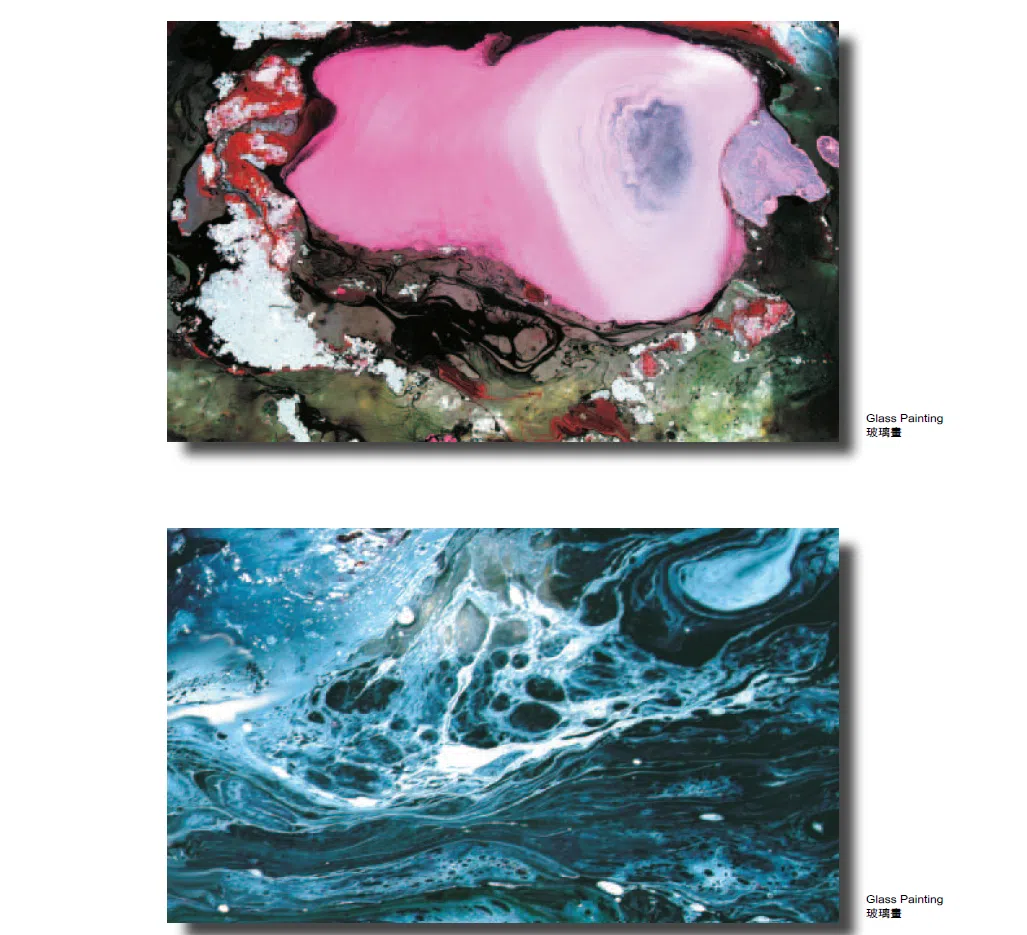
A second example of technological art is glass paintings by H.H. Dorje Chang Buddha III. These transparent images look like something found in a heavenly palace. They are even more spellbinding under the skillful use of lighting.

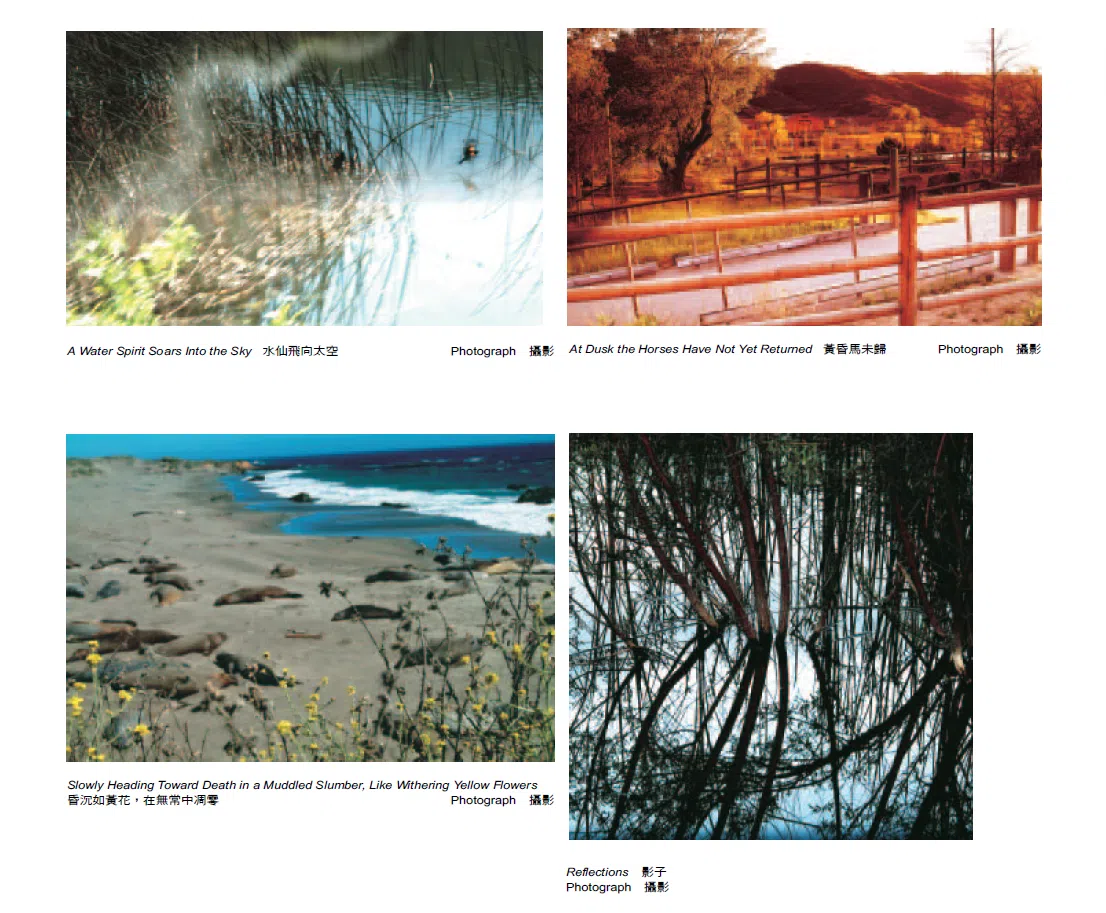
A third example of technological art is photographs by H.H. Dorje Chang Buddha III, which include scenery, people, animals, etc. These beautiful, artistic pictures taken with a camera make use of lighting, natural colors, and the skillful arrangement of objects.

H.H. Dorje Chang Buddha III Wan Ko Yeshe Norbu Holiest Tathagata combined His works in the above-described three different fields into the single category of technological art. Because of limited space, we have selected only a few representative three-dimensional images and glass paintings of H.H. Dorje Chang Buddha III. Upon our request, H.H. Dorje Chang Buddha III traveled for about a half day taking in an impromptu manner the photographs contained in this category.   

Learn more about H.H. Dorje Chang Buddha III

Link: https://dharma-hhdorjechangbuddhaiii.org/h-h-dorje-chang-buddha-iiis-accomplishments-in-technological-art/

#DorjeChangBuddhaIII #MasterWanKoYee #TechnologicalArt #BuddhistArt #ArtAndTechnology #InnovativeArt #BuddhistCulture #ArtisticAccomplishments #ContemporaryBuddhistArt #BuddhaDharma

dharma-hhdorjechangbuddhaiii.org
u/zxshi — 7 days ago

Why the Best Rhythm in Life Is Neither Fast Nor Slow

Why the Best Rhythm in Life Is Neither Fast Nor Slow

When Zhang Yigong was young, he was an impatient man.

At the age of thirty, he became fascinated with the erhu. However, despite his enthusiasm, he struggled to master it. Determined to learn, he spent three months’ worth of wages on an old rosewood erhu and sought instruction from Master Liu, the most renowned erhu teacher in town.

On the very first lesson, Master Liu asked him to tune the strings.

Without hesitation, Zhang tightened the strings as much as he could. He thought to himself, “The tighter the strings, the greater the tension, and the brighter the sound. Surely that’s obvious.”

Master Liu said nothing and simply asked him to play A Beautiful Evening.

At the first stroke of the bow, the sound was as shrill as a rooster’s crow. At the second, the string snapped. The broken string lashed back across the back of his hand, leaving a bloody welt.

“Too tight,” Master Liu said as he handed him a new string.

The next lesson, Zhang remembered his mistake. Afraid of snapping another string, he loosened it excessively, so much so that his fingers nearly touched the neck of the instrument when he pressed down.

This time, the string did not break, but the sound was muffled, as though it were trapped beneath a blanket. All of the erhu’s charm had disappeared. Despite his efforts, the music remained weak and lifeless.

Master Liu smiled and took the instrument from him. As he adjusted the tuning pegs, he listened carefully tightening a little, drawing the bow once, tightening a little more, and drawing the bow again. Neither too tight nor too loose.

Finally, he handed the erhu back.

“Try again.”

Zhang drew the bow across the strings. This time, the sound was neither sharp nor dull. It was clear yet mellow, like an autumn breeze passing through a bamboo grove.

He was stunned.

“People have their temperaments, and strings have theirs,” Master Liu said. “If they’re too tight, they cannot bear you. If they’re too loose, you cannot command them. You must work with their nature and find that point that is just right.”

Later, Zhang approached his practice in the same way.

While learning Horse Racing, he was obsessed with speed, wishing he could produce a dozen notes in a single second. The result was a chaotic jumble of sounds. Master Liu told him to slow down, but he overcorrected, moving so slowly that he resembled an old ox ambling along.

After months of practice and reflection, he finally came to understand: the fast passages should be played with crisp precision, while the slow passages should unfold with ease and composure. Between speed and slowness, the flow of the music must never be broken.

The day he finally mastered Horse Racing, Zhang closed his eyes and felt as though he was no longer playing the erhu but riding a horse across an open grassland. Neither too fast nor too slow, every step fell perfectly in rhythm, and his heart seemed to resonate with the melody itself.

Many years later, Zhang Yigong became a teacher himself.

One day, a student asked him, “What is the secret to playing the erhu well?”

He pointed to the tuning pegs and replied:

“The key is tuning the strings properly. Too tight, and they break. Too loose, and they make no sound. Everything in life is the same. If you’re too hasty, things fall apart. If you’re too slow, opportunities are lost. Only when things are just right can they be accomplished.”

The wisdom expressed here echoes a teaching by Namo H.H. Dorje Chang Buddha III in Philosophical Sayings About Worldly Matters:

“Undue haste causes delay, and procrastination causes loss. With this point of view, one shall choose the Middle Way as a principle. When a violin is tuned too low, its strings produce disharmony, but when it’s tuned too high, the strings are likely to snap.”

Once we understand this principle, we realize that life is much like the strings of an instrument. Stretch them too tightly, and they will snap. Leave them too loose, and they will remain silent. Only by avoiding extremes—neither hurried nor sluggish, neither excessive nor deficient—can we produce our own harmonious melody.

Remember:

Speed is not the skill. Slowness is not the skill. The true skill lies in being just right.

May all who have the opportunity to read this article take these words to heart. In the days ahead, may we approach our work without haste, without impatience, without procrastination, and without laziness. May we each discover our own Middle Way.

And always remember:

The best rhythm in life is neither the fastest nor the slowest—it is simply the one that is just right.

Written by A Humble Buddhist Practitioner

Learn more about H.H. Dorje Chang Buddha III

Link: https://dharma-hhdorjechangbuddhaiii.org/dorje-chang-buddha-iii-best-rhythm-in-life/

#DorjeChangBuddhaIII #MasterWanKoYee #BuddhistWisdom #LifeWisdom #BalancedLife #MindfulLiving #SpiritualCultivation #PersonalGrowth #LifeBalance #PhilosophicalSayings

dharma-hhdorjechangbuddhaiii.org
u/zxshi — 14 days ago