u/Exact_Monk_7897

BYD’s biggest NZ shipment brings 2750 vehicles
▲ 65 r/nzev

BYD’s biggest NZ shipment brings 2750 vehicles

(Plug-in Hybrid swapped for PHEV)

Words: Kyle Cassidy
Published 19 August 2026

BYD New Zealand says it is about to receive a record 2750 electric and PHEV vehicles at the end of August, clearing an order backlog stretching back to April and adding stock across its dealer network.

The vehicles will arrive in Auckland aboard two ships. Morning Cara is carrying 2395 vehicles, while another 355 will arrive aboard Morning Celesta.

Together, the company says they represent BYD’s largest shipment since the company established its New Zealand operation.

It is said that the shipment covers most of the local range and includes the new Atto 3 Evo, the yet-to-be-launched Atto 2 DM-i and the recently introduced Shark 6 Performance ute.
BYD describes its electric and plug-in hybrid models collectively as New Energy Vehicles, or NEVs.

Shipment to clear order backlog
The company says strong demand and shipping constraints in China have created a backlog of New Zealand customer orders dating back to April.

Vehicles arriving aboard the two ships will be used to fulfil those orders, with the remainder providing additional dealership stock heading into summer.

“This significant increase in supply will help us meet our increasing customer demand more efficiently, reduce delivery lead times, and ensure more New Zealanders can experience BYD’s innovative and sustainable mobility solutions. We are excited to continue supporting the rapid growth of the BYD brand in NZ,” said BYD Auckland general manager Jenni Martin.
No breakdown has been provided showing how many examples of each model are included in the shipment.

Year-to-date July, BYD is sitting in fifth place overall in terms of new vehicle registrations, having sold 4247 units for a five per cent market share. 

Vehicles shipped directly to Lyttelton
BYD says it has also arranged coastal shipping between Auckland and Christchurch to speed up deliveries to South Island customers.

Vehicles allocated to southern dealerships will be transferred from the Port of Auckland to Lyttelton by sea rather than being transported south by road.

BYD says the arrangement will reduce delivery times while easing pressure on the road freight network.

“This is a landmark moment for BYD in New Zealand,” said BYD Auto NZ general manager Warren Willmot.

“Bringing in our largest-ever shipment of NEVs shows just how far we’ve come, and how strong demand has been from Kiwi drivers who want an affordable, reliable path into electric & hybrid vehicle ownership. We’re proud to be playing our part in New Zealand’s transition to cleaner transport, and this shipment means more Kiwis than ever will be able to get behind the wheel of a BYD.”

New models included
The shipment will provide the first New Zealand stock of the Atto 2 DM-i, although local specifications, pricing and launch timing have yet to be detailed.

Also aboard is the updated Atto 3 Evo, which expands BYD’s established electric SUV line-up, and the Shark 6 Performance PHEV ute.

The two ships are expected to reach Auckland near the end of August, after which customer vehicles will be processed and distributed to dealerships around the country.
autotrader.co.nz
u/Exact_Monk_7897 — 1 day ago
▲ 19 r/nzev

Leapmotor prices B03X electric SUV from $37,990

Words: Richard Edwards
Published 19 August 2026
Leapmotor has confirmed New Zealand pricing for its new B03X compact electric SUV, with the range opening at $37,990 plus on-road costs and first customer deliveries expected from late September.
The B03X, sold as the A10 in China, arrives here in two grades, Life and Design, and New Zealand is among the first markets outside China and Europe to receive the car.
The entry Life is priced at $37,990 plus on-road costs and pairs its 39.8kWh battery with a 130kW, 200Nm electric motor driving the front wheels. Range is rated at 292km on the WLTP cycle.
The Design, at $42,990 plus on-road costs, steps up to a 53kWh battery and 145kW motor, lifting range to 382km WLTP. Both grades use LFP battery chemistry, hit 100km/h in 8.6 seconds and top out at 160km/h.

DC fast charging peaks at 100kW for the Life and 133kW for the Design, with Leapmotor quoting a 30 to 80 per cent charge in around 16 minutes. Both carry an 11kW on-board AC charger.
“For a car so small, up to 145 kilowatts of power provides a very ample drive in and around any city in New Zealand,” Leapmotor New Zealand general manager Brian Carr told media at the car’s Auckland launch.
Small footprint, big boot
At 4,270mm long, 1,810mm wide and 1,635mm tall, the B03X sits firmly in the compact SUV class, but Leapmotor is leaning hard on packaging as its party trick. The 2,605mm wheelbase and flat-floor construction, a product of the brand’s cell-to-chassis design, deliver 947mm of rear legroom and a claimed 10-metre turning circle.
Boot space is a headline number too. The main compartment holds 405 litres, with a further 105-litre “Giga box” hidden beneath a floating floor for a combined 510 litres. Leapmotor counts 33 storage solutions throughout the cabin, and the rear bench base flips up, Honda Jazz style, for carrying taller items. Carr laughed off a suggestion from the floor that Honda might have something to say about Leapmotor calling the feature “magic seats”.
Standard kit
Every B03X gets a 14.6-inch central touchscreen and 8.8-inch digital instrument cluster running Leap OS 4.0, with wireless Apple CarPlay and Android Auto, embedded 4G connectivity, over-the-air updates and built-in apps including Spotify and YouTube. A voice assistant, three drive modes (Comfort, Standard and Sport) and a trip planner with charging station suggestions are also standard.
Safety equipment includes seven airbags and a 21-function suite of driver assistance features running on 14 sensors and cameras, delivering Level 2 capability. Rain-sensing wipers, LED headlights, roof rails and semi-hidden door handles round out the Life specification, which rides on 18-inch wheels with fabric upholstery inside.

The Design adds eco-leather upholstery, a six-way electric driver’s seat, heated front seats and steering wheel, auto-folding mirrors, front parking sensors, a 360-degree camera, ambient lighting and a 12-speaker audio system in place of the Life’s six speakers.

Six colours are offered: Berry Blue, Acorn Brown, Tundra Grey, Seaweed Green, Galaxy Silver and Rime Beige. Design buyers can choose between Currant Black and Oat Gray eco-leather interiors.
How it stacks up
The B03X lands in an increasingly crowded corner of the market. Its $37,990 starting price puts it directly against the Geely EX2 Inspire at the same money, though the Geely is a smaller hatchback with a 47.14kWh battery and 345km of range. BYD’s Atto 2, the closest thing to a direct rival on body style and size, starts at $40,990 for the Dynamic with a 51kWh battery and 345km WLTP, meaning the base B03X undercuts it by $3,000 while giving away 53km of range. MG’s 4 Urban hatchback starts at $38,990 and GAC’s Aion UT at $39,990.
At the top of the range, the $42,990 B03X Design’s 382km rating outruns the Atto 2 Dynamic while still coming in below BYD’s $45,990 Atto 2 Premium.
Dealers ready
The B03X joins a Leapmotor line-up that has grown quickly in New Zealand, sitting alongside the C10 and B10 SUVs and the B05 hatchback, which also begins customer deliveries around the start of October. Leapmotor backs the range with a six-year warranty.
The car also arrives as the brand expands its retail footprint. Leapmotor is distributed in New Zealand by Auto Distribution New Zealand (ADNZ), part of the Armstrong Group. Auto Distribution Holdings chief executive Simon Rutherford told the launch that Leapmotor’s dealer network will grow to 12 outlets from 1 September, up from the four it started with.
“That’s not enough to give you market coverage,” Rutherford said of the original network. “With those 12 dealers, 80 per cent of the market will be covered.”
Gaps remain in West Auckland, Dunedin and Northland, which Rutherford said the brand will continue to target.
“We go back to what we said at the start, which is excellence within reach,” Carr said. “A substantial car within reach. This B03X continues in that lane.”

autotrader.co.nz
u/Exact_Monk_7897 — 1 day ago
▲ 47 r/nzev

First drive: Geely EX2 priced from $32,990 for New Zealand

Words: Autocar
Published 17 August 2026
Words: Gavin Shoebridge

Geely has confirmed New Zealand pricing for its EX2 small electric hatchback. The entry EX2 Complete is $32,990 plus on-road costs, and the higher-specification EX2 Inspire is $37,990 plus on-roads.

Geely names the MG4 and GWM Ora as its targets, though on size and price the EX2’s closest rival is arguably BYD’s Atto 1. We drove both variants at the Australian launch in Sydney.

Big numbers in China
Geely has sold more than 800,000 examples of this car in China in 21 months, more than Nissan managed across the full production run of the 350Z and more than every Tesla Model S built. In its home market, this is one of the best-selling cars of any kind.

You might not immediately pick that from the styling, however. The EX2 is a conventional-looking small hatchback, 4,135mm long on a 2,645mm wheelbase, with LED lighting all round and an active grille shutter, a feature not usually seen at this price. What sets it apart sits underneath.

Rear wheel drive and multi-link suspension
The EX2 is rear wheel drive, unusual in this class, with a rear-mounted permanent magnet synchronous motor producing 60kW and 150Nm in the Complete or 85kW and the same torque in the Inspire.

Performance is modest. The Complete takes 14.2 seconds to reach 100km/h, the Inspire 11.5 seconds, and both are electronically limited to 130km/h. Around town, where the car will do most of its work, it feels quicker than the figures suggest, with willing response between 40 and 60km/h.
The chassis is the more interesting story. Most rivals at this price use a torsion beam rear axle. Geely has fitted five-link independent rear suspension, and paired with a low-mounted battery and kerb weights of 1,290kg (Complete) and 1,365kg (Inspire), the EX2 rides and corners better than most cars in the class. On a rough back road during the launch drive it stayed settled where a torsion-beam car would have struggled.

The turning circle is 9.9 metres, which makes a real difference in car parks and city streets.

Battery, range and charging
Both variants use lithium iron phosphate batteries, a chemistry with a strong record for durability. The Complete carries 35.35kWh for a WLTP range of 252km. The Inspire’s 47.14kWh pack is rated at 345km. Based on our experience with similar vehicles, expect roughly 15 percent less in typical New Zealand driving.

DC charging peaks at 60kW on the Complete and 80kW on the Inspire, with Geely claiming around 25 minutes for a 30 to 80 percent charge. That is adequate for occasional trips rather than regular touring. AC charging is modest too, so overnight home charging will be the routine for most owners.

The EX2 offers 3.3kW vehicle-to-load capability and a camping mode that keeps the climate control running overnight. Over-the-air updates, an app store and a voice assistant are standard, and the assistant responded faster and more accurately than others we have tested in this segment.

Cabin and equipment
A 14.6 inch touchscreen and 8.8 inch instrument cluster are standard on both grades, along with wireless Apple CarPlay and Android Auto. Cabin noise is well suppressed, and packaging is good for the footprint, with a flat floor, reasonable rear legroom and 60:40 split-fold seats. The boot holds 375 litres, or 1,320 litres with the seats down, and there is a 70 litre frunk.

The driver assistance systems can be quietened in two taps through a programmable shortcut, which is quicker than the process in many more expensive cars.

There are shortcomings. The dashboard reflects badly in direct sun. The glovebox is a drawer that cannot be reached from the passenger seat. Rear passengers get a single USB port and no fold-down armrest. Regenerative braking is mild even at its strongest setting, and there is no one-pedal driving mode. No sunroof is offered on either grade, and Geely has not published a tow rating.

The EX2 has no ANCAP rating yet, either. Geely is targeting five stars, and the structure uses 64 percent high-strength steel with seven airbags, including a centre bag, plus a full active safety suite on both grades. Until the car is tested, that target remains unconfirmed.

Which one, and against what?
The Complete gives up a lot: the surround-view camera, wireless phone charging, power tailgate, heated front seats and steering wheel, alloy wheels, rain-sensing wipers and the six-speaker stereo, along with 25kW of power and 93km of range. At a $5,000 gap, the Inspire is the better buy.

On the wider market, the MG4 and Ora sit a half-step up, with larger batteries, more range, more power and faster charging, and the MG4 is a bigger car. The EX2 does not match them on capability; it undercuts them on price.

The closer match is the Atto 1, which shares the EX2’s city-car brief, LFP battery and vehicle-to-load function. Against it, the Geely is larger inside and out, offers more range in Inspire form, and has a chassis specification the BYD cannot match. The Dolphin sits between the two groups, offering more battery than the EX2 for similar money to the Inspire, without the Geely’s suspension hardware.

The EX2 is not fast and it is not a long-distance car. What it does offer is more chassis sophistication than anything near its price, strong practicality for its size, and a specification that makes sense once you skip the entry grade. Whether Kiwi buyers respond the way Chinese buyers have is the question Geely NZ now gets to answer.

autotrader.co.nz
u/Exact_Monk_7897 — 3 days ago
▲ 20 r/nzev

Battery fears overtake range as biggest barrier to EV uptake

Worries about battery lifespan and resale value have overtaken range and charging as the main reason New Zealand car buyers rule out an EV, according to new research from Trade Me Motors.

The Shift Into Action consumer insights report, drawn from a nationwide survey of 1,949 recent and active car buyers, finds 74% of new car buyers who ruled out an EV did so over battery lifespan and resale value concerns, well ahead of the traditional worries about range, charging access and purchase price. The report describes the barrier as perceived long-term financial risk rather than any practical shortcoming of the vehicles.

The traditional concerns still register, but well behind. Range on long trips worries 35% of new car buyers and 42% of used buyers, upfront cost 30% and 40% respectively, and the inability to charge at home 26% and 29%. A smaller group, 9% of new buyers and 14% of used, say they simply don’t know EV makes and models well enough to consider one.

The financial-risk framing shows up most starkly in the used market. EV consideration sits at 30.7% among new car buyers but collapses to just 8.2% for used buyers, the widest new-to-used gap of any powertrain in the survey. The report is clear about what that means: it is not a lack of EV interest, it is a lack of confidence in used EVs specifically.

The report’s prescription is a battery health report with every used EV sale, which it suggests “goes a long way” towards closing the trust gap. It also urges sellers to lead with battery warranty terms as a performance guarantee and to counter resale anxiety with real market data rather than reassurance.
Plug-in hybrids show a nearly identical pattern, considered by 28.6% of new buyers but only 8.7% of used, suggesting the battery confidence problem extends to anything with a large pack and a plug.

Hybrids, meanwhile, are the clear winner from the anxiety. At 61%, they are the single most considered fuel type among new car buyers, which the report attributes to their position as the practical middle ground between fuel savings and battery risk, helped along by the 78.5% of all buyers who rank fuel economy as critical.

There are encouraging signals for the electric transition buried in the data too. Buyers are shopping nationwide (77% look beyond their local area), researching heavily online before ever contacting a dealer, and switching brands at unprecedented rates, with 71% buying a different make from their last car. For the wave of newer EV brands entering New Zealand, a market this open to switching is an opportunity: the report finds a third of new car buyers are already considering a Chinese brand.

Taken together, the findings suggest the tools for addressing EV hesitancy have shifted: where charging infrastructure and range improvements answered earlier objections, the report points to battery confidence, through transparent health data, meaningful warranties and resale evidence, as where today’s buyer needs convincing.

The full report is available from Trade Me Motors here.

evsandbeyond.co.nz
u/Exact_Monk_7897 — 9 days ago
▲ 40 r/nzev

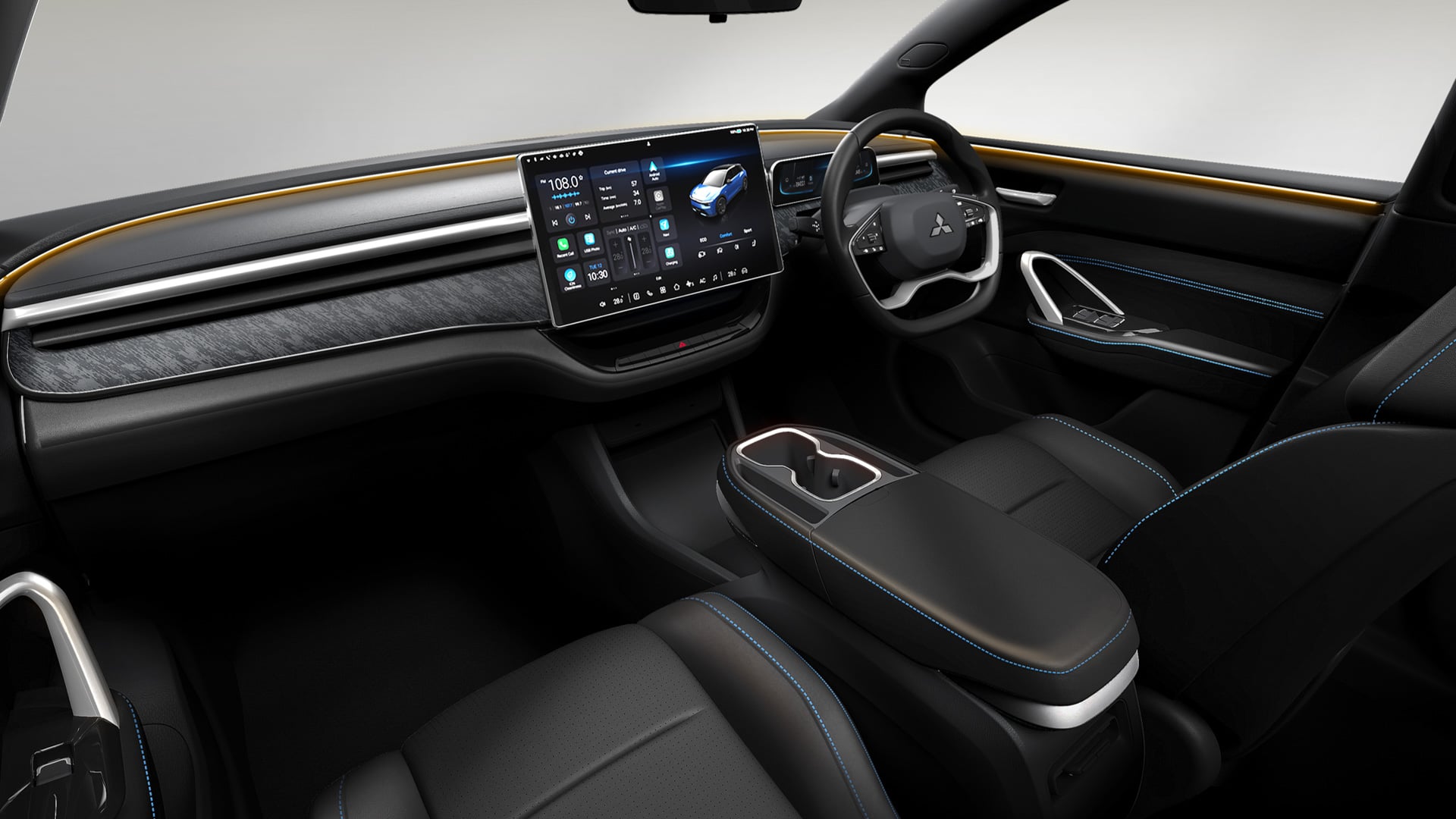
All-electric Mitsubishi ASX VR-e confirmed for New Zealand

Words: Andrew Sluys

Published 10 August 2026

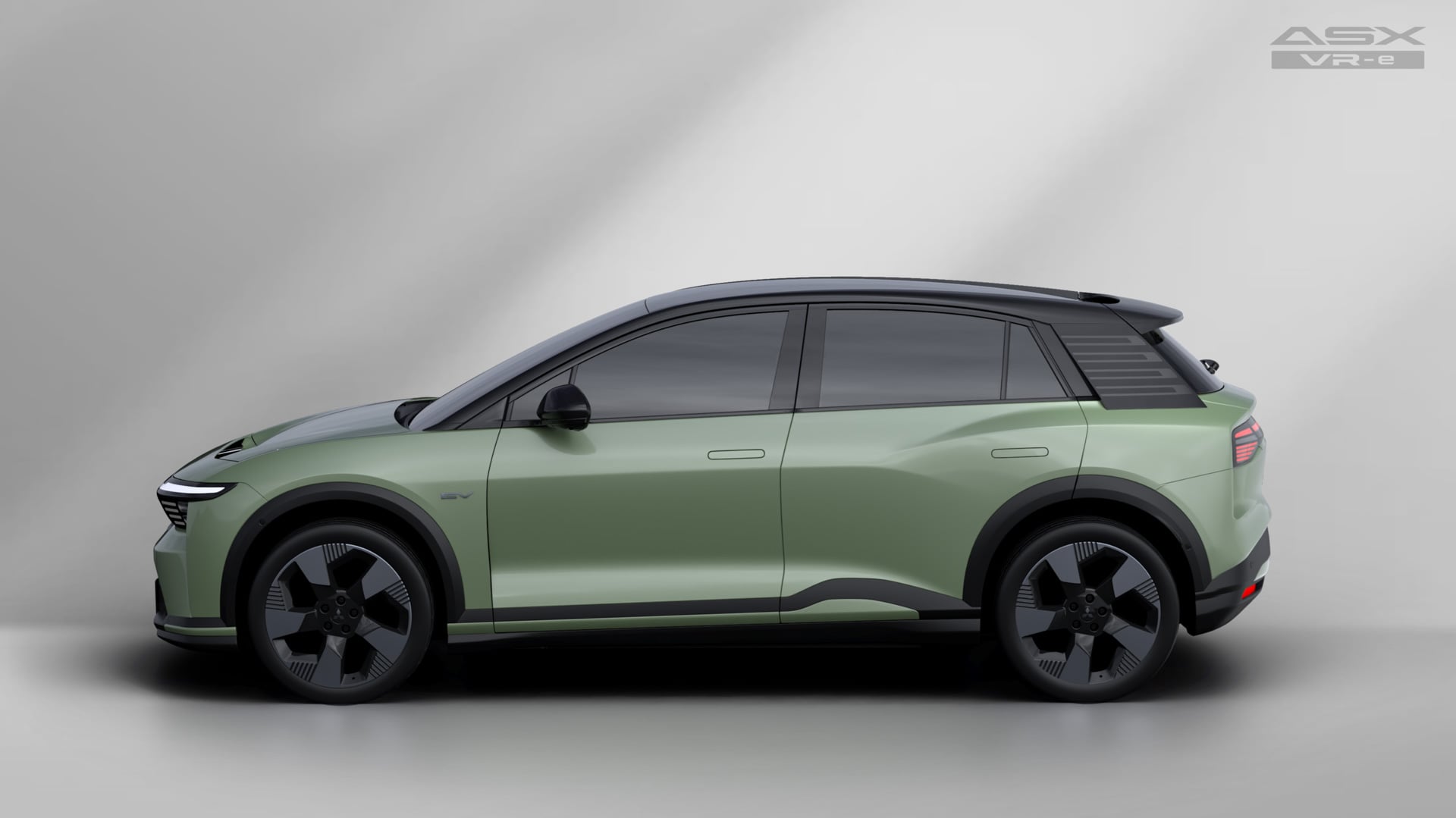
Mitsubishi New Zealand has announced the all-electric ASX VR-e will be arriving in the fourth quarter of 2026. 

Once it goes on sale, it will become the first pure electric vehicle offered by Mitsubishi locally in over a decade. 

Despite its success with the Outlander Plug-in Hybrid, Mitsubishi New Zealand hasn’t introduced an BEV model since the i-MiEV was discontinued in 2014. 

While this new ASX VR-e might be Mitsubishi’s first EV offering in a while, it seems to be part of something far bigger. 

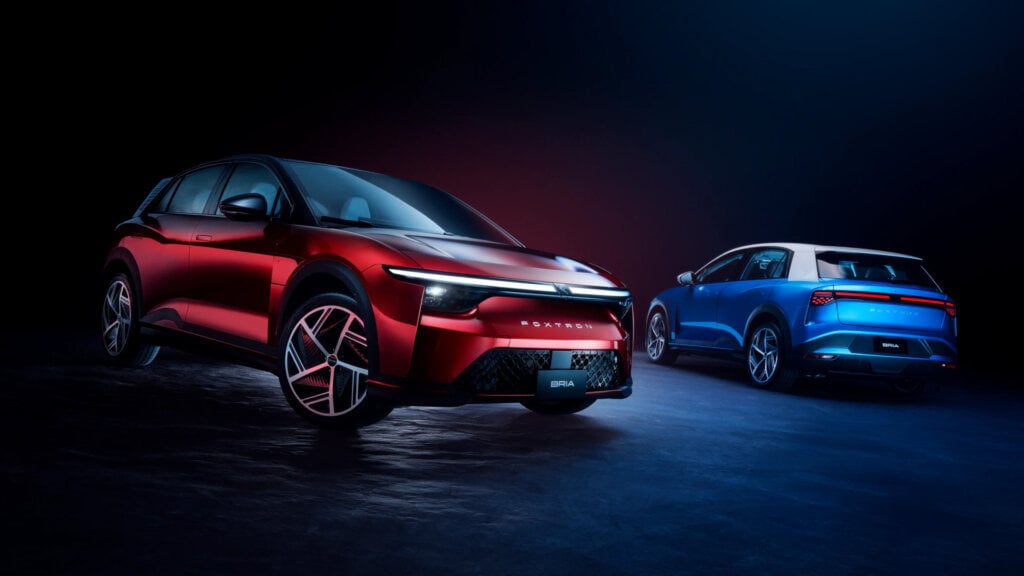
The ASX VR-e is based on the Foxtron Bria, which is a Taiwanese vehicle that has been on sale since 2022. 

The overall design of the Bria was designed by Pininfarina, and Mitsubishi has added its own styling elements to make it the ASX VR-e.

According to Mitsubishi Australia, this ASX VR-e has undergone development work in Australia, with “significant” work done on the ride and handling. To the brand, all this means that it isn’t just a re-badged version of the Bria. 

In New Zealand, the ASX VR-e will be offered in four trim levels; LS, XLS, Exceed, and the range-topping GSR. 

According to Mitsubishi New Zealand’s release, the “VR” part of the name is derived from the much-loved Galant VR-4. 

Though New Zealand specifications are yet to be revealed, we can assume they will be similar to what Foxtron sells the Bria with in Taiwan. 

The entry-level rear-wheel model features a 57kWh battery, with a range of 517 (NEDC), and a 171kW output. 

 A dual-motor variant uses the same battery, but ups the power output to 299kW. Range of this model is 466km (NEDC). 

MMNZ Chief Operating Officer Tony Johnston said the all-electric ASX VR-e reflects Mitsubishi’s long-standing commitment to helping New Zealand motorists transition from traditionally powered vehicles.

“Mitsubishi Motors introduced the first mass production electric vehicle to New Zealand in 2011 with iMiEV, before leading the growth of plug-in hybrid technology through the best-selling Outlander PHEV,” said Johnston.

“With the arrival of Outlander Sport HEV and ASX VR-e, we’re providing customers with more choices that align with their evolving lifestyles and development of local infrastructure.”

autotrader.co.nz
u/Exact_Monk_7897 — 10 days ago
▲ 37 r/nzev

Zeekr 7GT, 8X, and 9X confirmed for New Zealand

Giltrap website confirms three Zeekr models coming to NZ:

- Zeekr 7GT (BEV)

- Zeekr 8X (PHEV)

- Zeekr 9X (PHEV)

Timing and pricing unconfirmed, preorders are open.

giltrap.com
u/Exact_Monk_7897 — 13 days ago
▲ 8 r/nzev

Electric Mercedes-Benz GLC 400 4MATIC opens for NZ orders at $128,900

Mercedes-Benz has opened New Zealand orders for the fully electric GLC 400 4MATIC, priced at $128,900 drive-away including GST and on-road costs. The model arrives on a dedicated EV architecture with an 800-volt electrical system, bringing the brand’s most popular nameplate into the premium electric SUV segment.

A dual-motor all-wheel drive system produces 360kW and 800Nm, with a claimed 0-100km/h time of 4.3 seconds. The GLC is not a conversion of the combustion model but is built from the ground up as an electric vehicle (EV).

A nickel-manganese-cobalt (NMC) battery with 94.4kWh of usable capacity delivers a WLTP range of up to 630km at a tested consumption of 17.1kWh/100km. A two-speed gearbox on the rear axle manages efficiency across the speed range, while a disconnect unit on the front axle decouples the front drivetrain to reduce drag when it is not required.

Charging capability is a headline feature. DC fast charging peaks at 330kW, with Mercedes-Benz claiming up to 300km of range recharged in 10 minutes under ideal conditions at an 800-volt station. A DC/DC converter allows charging at 400-volt stations, and AC charging is supported at up to 22kW.

How it compares to the incoming BMW iX3

The obvious rival is BMW’s iX3 50 xDrive, the first model from the Neue Klasse generation, priced from $125,900 before on-road costs and due to arrive in New Zealand early in the third quarter of this year.

On performance, the GLC holds the advantage. Its 360kW and 800Nm outputs exceed the iX3’s 345kW and 645Nm, and the Mercedes reaches 100km/h in 4.3 seconds against the BMW’s 4.9 seconds.

The BMW answers with range and charging. Its 108kWh battery delivers a claimed 805km WLTP range against the GLC’s 630km, and peak DC charging of 400kW allows more than 350km of range to be added in around 10 minutes. Both models run 800-volt architectures and both offer 22kW AC charging as standard.

Pricing warrants closer attention than the headline figures suggest. The GLC’s $128,900 is a drive-away figure inclusive of GST and on-road costs, while the iX3’s $125,900 is before on-road costs. Once the BMW is on the road, the real-world gap between the two will be narrower than the sticker prices imply, and could favour the Mercedes depending on the final on-road cost calculation.

Equipment and options

Standard equipment on the GLC is generous. The MBUX Superscreen spans the dashboard, running the new MB.OS operating system with over-the-air update capability. DIGITAL LIGHT micro-LED headlights, a head-up display, a panoramic roof with switchable opacity across nine segments, Burmester 3D surround sound, and the camera and radar-based MB.DRIVE assistance suite are all included, along with AMG Line styling, metallic paint and 21-inch AMG wheels.

The wheelbase is 84mm longer than the combustion GLC, freeing up head and legroom in both rows. Boot space is 570 litres, expanding to 1740 litres with the rear seats folded, and a 128-litre frunk is included.

Options are packaged simply. The Luxury Package at $8,200 adds the 39.1-inch MBUX Hyperscreen, climatised massage front seats, heated rear seats, Burmester 4D audio and extended MB.DRIVE ASSIST functions including Lane Change Assist. The Agility and Comfort Package at $5,200 brings AIRMATIC air suspension and rear-axle steering, while aluminium-look running boards are available for $1,100.

At launch, a limited run of GLC 400 4MATIC models without the Superscreen will be offered at $126,000, substituting a static passenger-side display panel and black ARTICO upholstery.

The arrival of two credible 800-volt premium SUVs within months of each other, both priced under $130,000 and both charging faster than any public charger in New Zealand can currently deliver, marks a notable shift in what the local premium EV segment can offer buyers.

evsandbeyond.co.nz
u/Exact_Monk_7897 — 27 days ago
▲ 29 r/nzev

XPeng confirms five-model rollout for New Zealand, advanced driving tech to follow in 2027

Words: Richard Edwards
Published 21 July 2026

XPeng will launch five models across Australia and New Zealand within six months, with the G9L large SUV and a new model badged L05 joining the G6, X9 and L03 on the local roadmap.
The Chinese brand has also committed to bringing its most advanced driver assistance technology here, with its VLA 2.0-powered Navigation Guided Pilot targeted to be operating in both countries before the end of 2027, subject to local regulations.

The plans were revealed at a brand day in Melbourne, where Vice Chairman and President Dr Brian Gu presented what the company calls its Ultimate Tech strategy for the two markets. XPeng NZ sales manager Sean Tupp confirms to us that New Zealand will follow the same launch schedule.

The timeline puts the updated MY26 G6 and the seven-seat X9 flagship in the third quarter of 2026, the L03 compact SUV and G9L in the fourth quarter, and the L05 in the first quarter of 2027.

New Zealand is already under way. The G6 has been on sale here for six months, while the first customer X9s were delivered this week, priced from $104,990. The L03 was confirmed for a local arrival at the end of Q4 earlier this month, and appeared at the Melbourne event in right-hand drive just days after its global unveiling in Munich on 16 July.

That leaves the G9L and L05 as the fresh additions. Both appeared under covers on XPeng’s product slide, with detail on each still under wraps.

“International customers should not wait years for the latest technology,” says Gu. “Whenever we have new platform, new intelligence and powertrain technologies that come into the new product offering, we want to launch at the same time we launch in China.”

The five-car push is matched by a change in powertrain strategy. XPeng will bring its Kunpeng range extender technology to the region alongside its battery electric models, a dual-energy approach the company says is designed for long-distance driving conditions in Australia and New Zealand. The system pairs a large battery with a petrol range extender, prioritising electric running for daily use.

Charging infrastructure is also part of the plan. XPeng intends to roll out its own charging hubs capable of 360kW and 480kW, with capability of up to 1MW, alongside partnerships with existing charge point operators and e-roaming access across participating networks.

The NGP system is XPeng’s flagship intelligent driving technology, developed in-house and already handling complex urban driving in China. Gu says more than 50 per cent of drivers with capable vehicles now use it daily, and the company recently demonstrated the system on public roads in Munich.

Australia and New Zealand are among the first right-hand drive markets in line for the 2027 global rollout. It runs on XPeng’s own Turing AI chips, with up to three fitted per vehicle delivering 2250 TOPS of computing power depending on model.

Gu says XPeng delivered more than 45,000 vehicles outside China in 2025, nearly double the previous year, and aims to double that figure again in 2026. The company ranked seventh in global battery electric vehicle sales last year, its seventh year of deliveries, with growth of 126 per cent.

autotrader.co.nz
u/Exact_Monk_7897 — 1 month ago
▲ 17 r/nzev

Updated Zeekr X significantly upgraded for 2026 despite small price rise

Words: Andrew Sluys
Published 21 July 2026

NordEast has confirmed pricing for the updated Zeekr X EV, which is set to arrive in August. 

In New Zealand, the Zeekr X range is simple, with a rear-wheel drive variant and an all-wheel drive variant rounding out the offering. 

Pricing starts at $59,990 for the X RWD, and jumps to $69,990 for the X AWD. This represents just a $90 price increase across both models. 

At 4432mm long, 1836mm wide, and 1566mm high, sitting on a 2750mm wheelbase, the X is smaller than the 7X, Zeekr’s other local offering. 

Both variants are powered by a 61kWh battery, which provides more than 400km (WLTP) of driving range across both models. 

The RWD model is powered by a single 250kW motor, whilst the AWD gets an extra 115kW motor on the front axle, lifting peak power to 365kW. 

Zeekr notes performance on both models has been improved by the additional 50kW. The RWD gets a 5.6-second 0-100km/h time while the AWD’s time drops to 3.7-seconds. 

The RWD has a max DC charge rate of 230kW, while the AWD is limited to 150kW. 

Options on the AWD model include electric front doors for $2,000, a matte green exterior finish for $2,000, and a black interior paired with black 20-inch wheels for $2,000. 
On the inside, both variants now get heated seats in the first and second rows, inductive steering wheel controls, and a 13-speaker Yamaha sound system. 

Massaging seats in the front row, and an onboard fridge are now included with the AWD model. 

autotrader.co.nz
u/Exact_Monk_7897 — 1 month ago
▲ 26 r/nzev

Toyota bZ4X prices hiked as EV sells out in weeks, buyers face 2027 wait

Dave Kavermann

Journalist

Toyota New Zealand has quietly increased the price of its entire bZ4X electric SUV range by $2000, as strong demand has left the brand sold out of current stock, pushing delivery wait times into next year.

The price rise affects every variant in the updated bZ4X lineup, which only arrived in local dealerships last month, with the entry-level bZ4x Pure now starting from $58,990 drive away, while the flagship and soon-to-arrive bZ4x Touring rises to $71,990.

Despite the increase, the range remains substantially cheaper than the original bZ4X launched in New Zealand in 2024, when comparable models were priced from $72,990 for the entry-level variant and $82,990 for the all-wheel drive model.

Toyota says the unexpected response from buyers has exhausted its initial allocation, with new orders for the standard bZ4X now not expected to be fulfilled until early 2027, although the bZ4X Touring remains on track to arrive in New Zealand during September or October this year.

Toyota New Zealand told CarExpert in a statement, the first shipment of bZ4x EVs sold far quicker than anticipated.

"With the rapid increase in petrol prices due to global events, as many brands found, interest and sales of EVs increased. We found this with the new bZ4X stock as orders and sales exceeded our expectations, selling out four months of stock in a few weeks."

The company added the updated model's improvements have also contributed to its popularity.

"The new generation bZ4X has improved performance and range and have been selling well leading to unanticipated wait times."

Toyota New Zealand says it is working to secure additional production, though increased global demand means extra allocation isn't guaranteed.

"We are always assessing our supply and looking to secure more for vehicles that customers are wanting. Many distributors are in the same position therefore Toyota Motor Corporation needs to allocate stock accordingly."

The sales success could also strengthen the case for additional battery-electric Toyotas in New Zealand, although the company says it remains committed to offering multiple powertrain options.

"We are always assessing our future lineup based on customer demand and needs. With a multi-pathway approach (offering diesel, hybrid, PHEV and full electric), we aim to have a good selection across all powertrains, including fully electric."

Toyota also offer models that are powered exclusively by petrol, however they are reserved for high-performance GR models like the GR YarisGR Corolla, and GR86.

The current-generation bZ4X arrived in New Zealand with a larger 74.7kWh battery, more powerful electric motors and substantially improved WLTP driving range.

The front-wheel drive Pure produces 167kW and 269Nm with a claimed WLTP range of up to 591km, while the all-wheel drive Motion develops 255kW and 438Nm with a 517km range.

The new bZ4X Touring tops the lineup with 280kW and 438Nm, while offering a larger body and a 600-litre boot. Its claimed WLTP range is 488km.

All variants support up to 22kW AC charging and 150kW DC fast charging, while the AWD Motion and Touring models also double braked towing capacity to 1500kg.

The updated model also introduced refreshed 'hammerhead' styling, a larger 14.0-inch infotainment touchscreen and expanded safety equipment, helping transform Toyota's only battery-electric passenger vehicle into one of the brand's fastest-selling new models in New Zealand.

The bZ4x range mirrors the sucsess of the new-generation RAV4, with the brand earlier confirming to CarExpert that some versions of the best-selling SUV have also sold out until 2027.

carexpert.co.nz
u/Exact_Monk_7897 — 1 month ago
▲ 32 r/nzev

XPeng's L03 confirmed for New Zealand, here by year's end

Words: Richard Edwards

Published 15 July 2026

XPeng’s move on the New Zealand market isn’t stopping with the G6. The brand has confirmed its L03 crossover is on the way here, due to land at the end of Q4.

The confirmation comes from XPeng NZ as the first X9s reach customers this week, and just days before the L03 makes its global debut. XPeng will launch the car simultaneously in China and 63 other markets at an event in Munich on July 16 (NZT July 17), billed as one of the most ambitious single-model launches the EV world has seen. We expect to learn more about the local programme at a press event next week.

The L03 is the second model from XPeng’s Mona family, following the M03 sedan, and takes the form of a 4650mm coupe-style SUV, pitched as a cheaper alternative to the Tesla Model Y. It rides on a 2850mm wheelbase, offers 539 litres of boot space and cuts through the air with a slippery 0.228 drag coefficient.

In China, the electric version pairs a single front motor of around 180kW with LFP batteries of 56kWh or 71kWh, good for a claimed 525-625km on the lenient CLTC cycle; expect a WLTP figure in the low 500s for the bigger pack. An extended-range hybrid with a 1.5-litre petrol generator also exists, with up to 1330km of combined range, though there’s no word yet on whether that version is part of the export plan.

The headline act is the tech. Every L03 carries XPeng’s in-house Turing AI chip and its VLA 2.0 driver assistance system as standard, alongside a 15.6-inch central screen, a massive 26.8-inch head-up display and a 20-speaker sound system.

Pricing is the L03’s other weapon. Chinese pre-sales opened at 143,800 to 165,800 yuan (roughly $34k to $40k in our money) and the car sits below the G6 in XPeng’s hierarchy. Local pricing won’t translate directly once shipping and compliance are factored in, but with the G6 opening at $59,990 here, the L03 should comfortably become the cheapest route into the brand, and a genuine price threat to the Model Y.

The L03 will become XPeng NZ’s third model line, joining the G6 and the newly priced X9. From a standing start, that is a rapid build-out.

autotrader.co.nz
u/Exact_Monk_7897 — 1 month ago
▲ 45 r/nzev

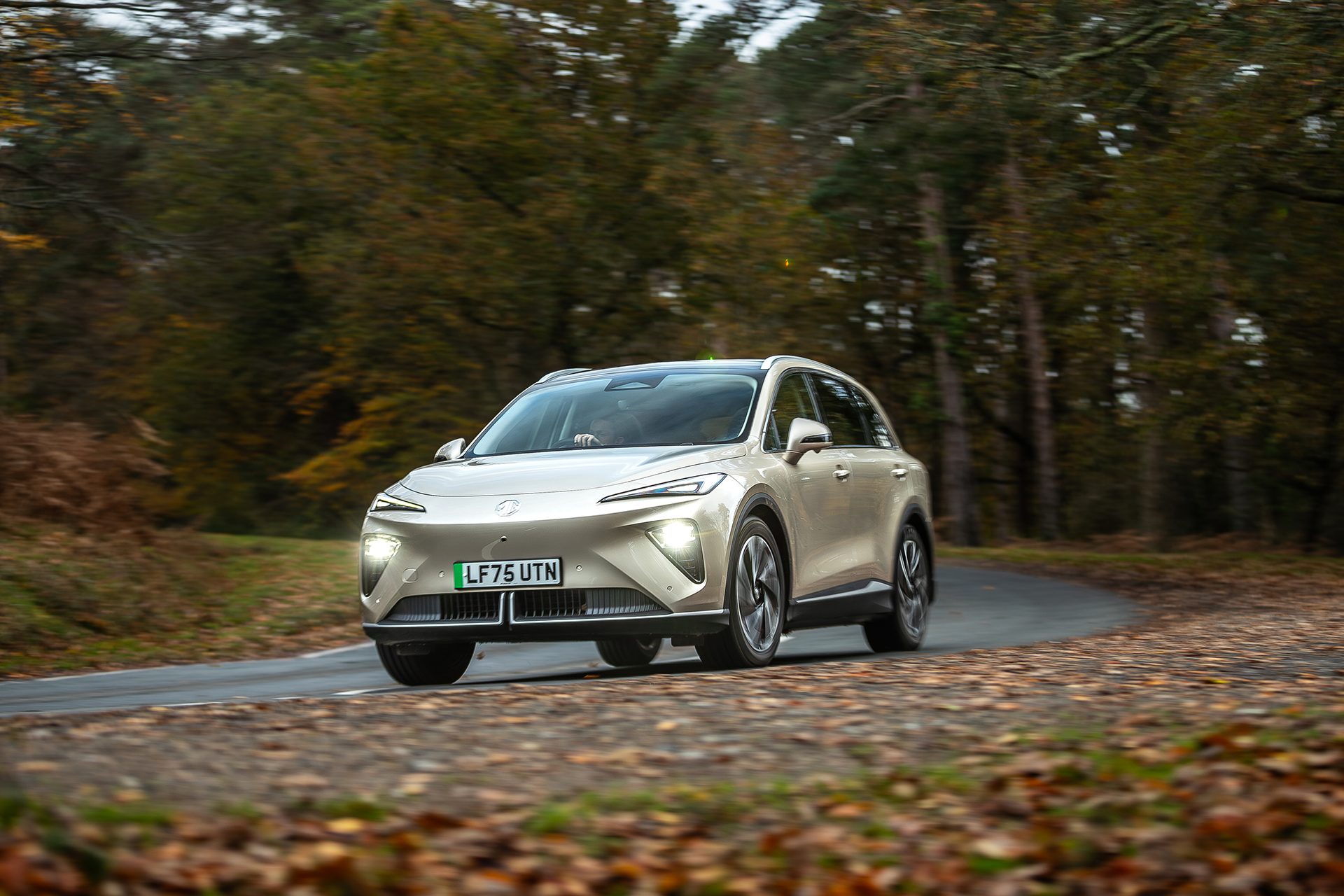
First drive: MG’s new MGS6 EV is a Model Y for $10k less

I don’t usually post reviews here but I thought this was a good read, and the first written review I’ve seen from Gavin before.

By Gavin Shoebridge - July 8 2026

MG’s third all-electric launch of 2026 is here, and this one is aimed straight at the biggest-selling EV on the planet. The MGS6 EV is a mid-size electric SUV that is a similar size to a Tesla Model Y, with similar features and similar range, for a much lower price. And after a first drive on Auckland roads, it deserves a very close look.

Two flavours are on offer. The rear-wheel drive Essence opens the range at $56,990 plus on-road costs, while the dual-motor Essence AWD lands at $63,990 plus on-road costs. Both carry the same 77kWh nickel-cobalt-manganese battery, and the equipment lists are almost identical; the AWD adds a second motor and a panoramic glass roof, and that is genuinely it. Even the entry car gets the head-up display, something Tesla still does not offer at any price.

Interestingly, MG itself is not framing the car as a Tesla fighter. Dean Sheed, Country Business Manager at MG Motor New Zealand, repeated a message at the launch he first delivered when the MG4 Urban arrived: the brand sees its growth coming from conquesting buyers out of petrol and diesel vehicles, not from trading sales with other electric brands. On that logic the MGS6 EV is pitched at families in RAV4s and Outlanders as much as anyone shopping EVs, though at this price and size the Model Y comparison is unavoidable.

Fast enough, and that is the point

The rear-drive car sends 180kW and 350Nm to the back wheels, good for 0-100km/h in 7.5 seconds. The AWD steps that up to 266kW and 540Nm, dropping the sprint to 5.1 seconds.

Neither number leads the class, and a Model Y will pull away from both. But be honest with yourself: do you really need a two-tonne family SUV hitting 100km/h in five seconds? For this class of vehicle, 180kW at the rear wheels is plenty, with strong response around town, easy overtaking, and a bit of fun to be had when the tarseal runs out. Rear-wheel drive on gravel remains a simple pleasure.

Where the numbers matter more for EV buyers is range and charging, and here the RWD is the star: 530km WLTP against the AWD’s 485km, the difference down to the extra motor and roughly 100kg the dual-motor car carries. Both peak at 144kW on DC, taking 10 to 80 percent in a claimed 38 minutes, and both get a heat pump as standard, so winter range should hold up better than the LFP-equipped budget set. An 11kW onboard AC charger, vehicle-to-load capability and five regen settings including a proper one-pedal mode round out a genuinely complete EV spec sheet. Towing is rated at 750kg unbraked and 1500kg braked.

The mafia test

Built on MG’s Modular Scalable Platform, the MGS6 EV is 4708mm long on a 2835mm wheelbase, and the cabin space it liberates is frankly staggering. The rear door aperture is enormous, which anyone wrestling child seats will appreciate, and rear legroom borders on the absurd. The boot swallows 581 litres with the seats up and 1690 litres folded, and yes, it comfortably passes the mafia test. The RWD adds an 86-litre frunk; the AWD makes do with 67 litres because there is a motor in the way. A powered tailgate is standard on both.

The interior is where MG’s transformation over the past few years really shows. The Grey Ivory option pairs light upholstery with Nordic Ashwood-style trim and looks far more expensive than it is, and fabric-look suede on the seats is a welcome change from the wall-to-wall black plastic of MGs past. Heated and ventilated front seats, heated outer rears and a heated steering wheel are all standard, and MG has kept proper physical climate controls rather than burying everything in the screen. Thank you, MG.

That screen is a 12.8-inch unit alongside a 10.25-inch driver display, and MG’s latest operating system is night and day compared with the software the brand was shipping five years ago: quicker, cleaner, and far more logical. Wireless Apple CarPlay and Android Auto, 50W wireless charging and an 11-speaker sound system with subwoofer are all included, plus built-in YouTube and TikTok apps for entertainment while you charge.

On the road

The ride sits a little on the firm side, though it remains comfortable with it. The AWD shows some noticeable jiggle over imperfect surfaces, likely down to that extra 100kg. The payoff is grip: both variants feel incredibly sure-footed, holding their line without fuss even on the slick, damp semi-rural roads of our launch route. The MacPherson strut front and five-link rear suspension keeps everything composed, and the whole car drives with a polish that would have seemed impossible from MG three or four years ago.
Our pick? Unless you need all-wheel drive, buy the RWD. It rides slightly better, goes 45km further on a charge, gets the bigger frunk and saves you $7000, and the only things you give up are the glass roof and a turn of pace few family buyers will ever use.

Five stars, ten years

The MGS6 EV carries a five-star ANCAP rating, with full points for driver protection in the full-width and side impact tests and strong child occupant scores. The complete MG Pilot suite is standard, including adaptive cruise, autonomous emergency braking, blind spot detection and a 360-degree camera, plus a Custom function for saving your preferred assistance settings, and seven airbags including a front-centre unit.

Warranty coverage is seven years with unlimited kilometres as standard, extendable to 10 years or 250,000km when servicing with MG.

“This year has been a milestone for MG, with the MGS6 EV marking our third all-electric launch in 2026 so far and completing our most comprehensive EV lineup to date,” says Sheed.

evsandbeyond.co.nz
u/Exact_Monk_7897 — 1 month ago
▲ 35 r/nzev

MG New Zealand quietly upgrades the MGS5 EV while cutting its price

Words: Autocar

Published 7 July 2026

The MGS5 has been given a power and range boost in its range-topping Essence 62kWh model, alongside a $2000 price cut across both variants.

The headline change is a new B-Axial motor for the Essence 62kWh, lifting outputs from 125kW and 250Nm to 151kW and 350Nm. Range improves too, up from 425km to 465km on the WLTP cycle. 

A new interior trim for this model is also included in the upgrade. 

Despite the extra performance, the Essence 62kWh is now cheaper, with its recommended price dropping to $52,990 plus on-road costs.

The entry-level Essence 49kWh misses out on the powertrain and trim updates but receives the same $2000 reduction, taking it to $46,990 plus on-road costs.

The changes arrive alongside the launch of the new MGS6 EV, a larger and more premium electric SUV priced from $56,990. MG says the pair sit within its most comprehensive EV lineup to date, spanning the MG4 hatchbacks through to the IM6 and Cyberster.

“At a time when cost of living pressures are shaping household decisions, we’re proud to offer New Zealanders genuine choice,” says Dean Sheed, Country Business Manager at MG Motor New Zealand.

The updated MGS5 EV is available at MG dealerships nationwide now.

autotrader.co.nz
u/Exact_Monk_7897 — 1 month ago
▲ 33 r/nzev

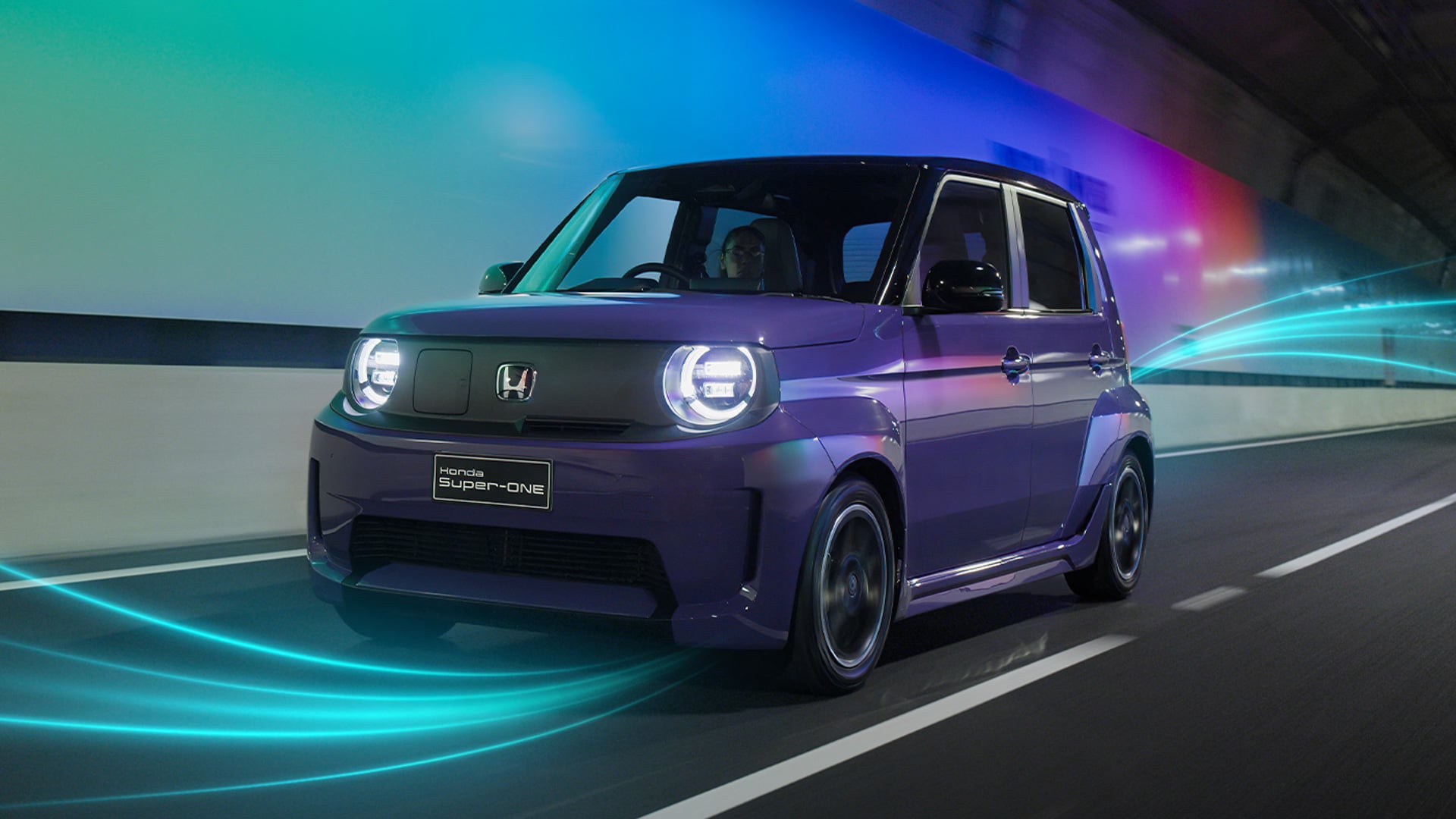
Honda New Zealand confirms pricing for Super-One EV

Words: Andrew Sluys

Published 1 July 2026

Honda New Zealand has confirmed pricing for its upcoming Super-One EV, which is set to land within the year. 

The Super-One will be offered locally in two grades, with the entry-level model starting at $41,990, and the Kuro Edition at $44,990. 

The Super-One features a 29.6kWh battery, which provides a driving range of 253km according to the NEDC testing cycle. 

It is powered by an electric motor mounted on the front axle, which produces a modest 70kW/162Nm. 

It gets MacPhersion strut front suspension, with a torsion beam on the rear. Brakes are a similar story, with ventilated discs up front, and drums at the back. 

At 15-inches, it might sit on some of the smallest wheels offered in New Zealand, wrapped in a 185-section tyre.

With a 2.5-metre wheelbase, and a total length of just 3.5-metres, it’s a compact EV, and the 1,093kg kerb weight reflects this. 

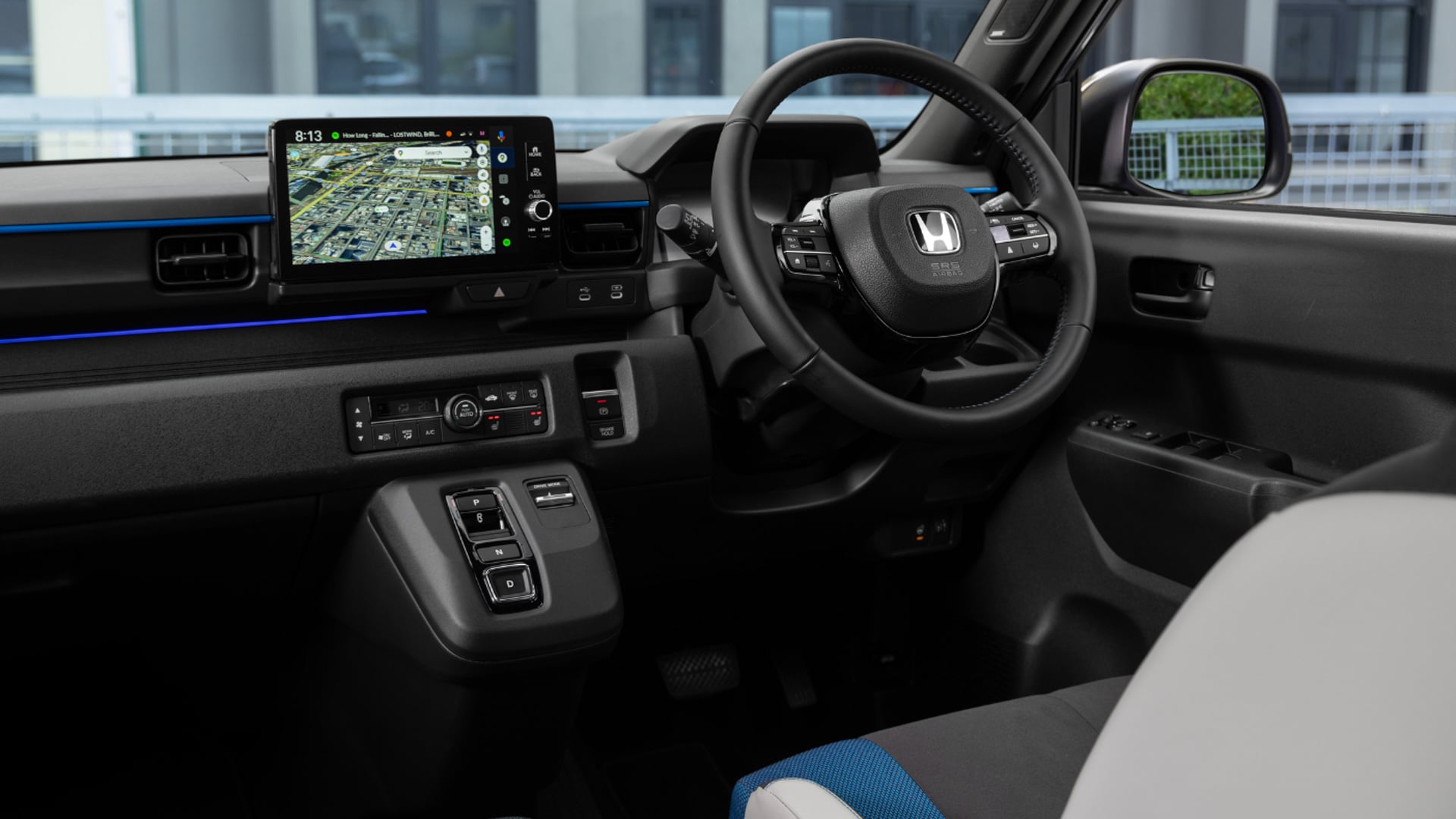
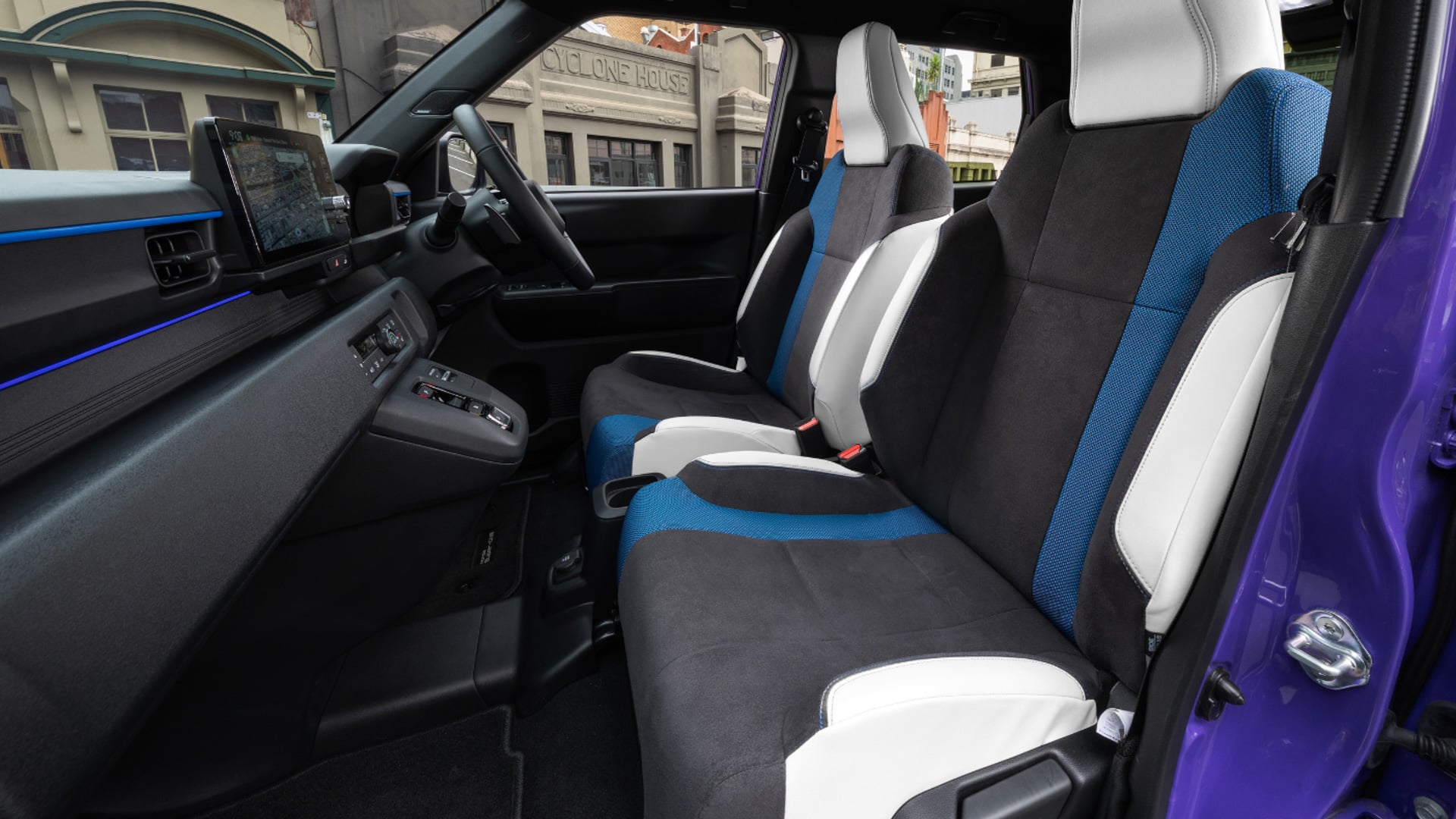
On the inside, it gets a 9-inch infotainment display with built-in Google, and a 7-inch digital cluster. 

It gets an interesting pair of seats at the front, which also feature a heating function.

Opting for the range-topping Kuro Edition with its $3,000 premium over the standard model gets you a two-tone black scheme. 

Unlike the regular model, which is offered with Mono Grey, Crystal Black Pearl, and Boost Violet Pearl paint options, the Kuro only gets the latter. But with its contrasting black roof, it’s more of a statement piece. 

Honda New Zealand has previously mentioned that this Super-One EV will be landing in the second half of 2026. 

autotrader.co.nz
u/Exact_Monk_7897 — 2 months ago
▲ 22 r/nzev

BYD NZ $1000 Price Increase

Looking at the BYD website, it appears they have increased the pricing of multiple models, including the Atto 1, Atto 2, BYD Shark and Sealion 7 going up by $1000.

bydauto.co.nz

u/Exact_Monk_7897 — 2 months ago
▲ 71 r/nzev

BIG MONTH! - NZ New BEV Registrations - June 2026

Huge month for EVs in NZ! Tesla Model Y had the most registrations overall, even beating the Ford Ranger.

u/Exact_Monk_7897 — 2 months ago
▲ 29 r/nzev

BYD New Zealand secures additional vehicle shipments to fulfill orders

Words: Andrew Sluys
Published 29 June 2026

BYD New Zealand has announced it has secured three additional vehicle shipments to fulfill current customer orders. 

These shipments, which will arrive throughout the month of July, will bring a total of 1,250 new vehicles into the country. 

They will arrive on July 1 July, 16 July, and 20 July, reportedly filling all current customer orders by the end of August. 

On top of this, “further significant shipping capacity” has also been secured for August, according to Warren Willmot, BYD New Zealand’s General Manager. 

News of these additional shipments comes off the back of BYD New Zealand advising customers of potential prolonged wait times. 

The announcement, which was put out to the public in June, cited increased EV demand and rising fuel costs as reasons why new customers may face delays. 

We saw this increased EV demand in the May new vehicles sales figures, with BYD registering a 871 per cent increase for the month year-on-year. 

The Atto 3 also returned to prominence for the month, recording 142 sales and re-entering the top 15 passenger vehicle rankings.

autotrader.co.nz
u/Exact_Monk_7897 — 2 months ago
▲ 11 r/nzev

Volvo EX60 priced for New Zealand

Words: Kyle Cassidy

Published 18 June 2026

Volvo has confirmed pricing and specifications for its new EX60 electric SUV ahead of its New Zealand arrival in November 2026, with the newcomer set to take on rivals such as the BMW iX3 Neue Klasse in the premium EV market.

The EX60 will launch here in two variants, starting from $116,990 plus on-road costs for the rear-wheel-drive Ultra P6 and $125,990 for the all-wheel-drive Ultra P10.

Built on Volvo’s new SPA3 electric vehicle platform, the EX60 becomes the Swedish brand’s longest-range production EV at launch, with the flagship Ultra P10 claiming up to 660km of WLTP driving range. The rear-drive Ultra P6 manages 611km.

Performance is respectable too. The EX60 Ultra P6 develops 275kW and 480Nm, enough for a 0-100km/h sprint of 5.9 seconds. The more powerful Ultra P10 increases outputs to 375kW and 710Nm, cutting the benchmark sprint to 4.6 seconds.

Volvo says charging performance has been a major focus. Thanks to an 800-volt electrical architecture, the EX60 can charge from 10 to 80 per cent in as little as 16 minutes when connected to a 350kW DC fast charger. The company claims up to 315km of range can be added in just 10 minutes.

Read more – Volvo tracking well in NZ as it introduces EV and PHEV price parity

The new model also introduces Volvo’s latest generation of safety and connectivity technology. Features include Google built-in services, over-the-air software updates and Google Gemini-powered conversational AI functionality.

At launch, New Zealand buyers will only be offered the flagship Ultra specification, which includes a 28-speaker Bowers & Wilkins audio system with Dolby Atmos, electrochromic panoramic roof, ventilated front seats and a 360-degree camera system.

Read more – Volvo EX90 first NZ drive review

The rear-wheel-drive model can tow up to 2000kg, while the all-wheel-drive P10 increases towing capacity to 2400kg.

BMW iX3 rival

The EX60 enters the market just as BMW prepares to launch its next-generation iX3 based on the Neue Klasse platform.

On paper, the Volvo holds a slight range advantage. The EX60 Ultra P10’s 660km WLTP figure exceeds the 650km WLTP range claimed for the new BMW iX3 50 xDrive, while the forthcoming EX60 P12 Performance, due in 2027, is expected to push range out to an impressive 810km.

BMW counters with faster charging capability. The Neue Klasse iX3 can reportedly add up to 350km of range in 10 minutes and supports charging rates of up to 400kW, compared with Volvo’s 315km gain in 10 minutes and 350kW peak charging speed.

BMW is yet to price the iX3 for New Zealand, though it’s likely to land around the $130,000 mark.

Volvo Cars New Zealand Brand Manager Daile Stephens said the EX60 addresses the key concerns many motorists still have about electric vehicles.

“The EX60 delivers on the true meaning of ‘Freedom to move’ for a fully electric era. It overcomes the three main reasons people hesitate to go all electric, range, charging speed and price.

“With up to 660 kilometres on a single charge and the ability to add 315 kilometres in just 10 minutes on a fast charger, the EX60 removes the last real hesitation for Kiwi drivers considering the switch to full electric.”

Pre-orders for the EX60 are open now, with the first customer deliveries scheduled for November 2026. Volvo has also confirmed a higher-performance EX60 P12 variant with a claimed 810km driving range will join the line-up during the second half of 2027.

autotrader.co.nz
u/Exact_Monk_7897 — 2 months ago