▲ 5 r/Asexual
The most Ace of the Transformers: Skywarp
I'm choosing this guy as my personal Ace mascot.
u/LunarBistro — 5 days ago
I'm choosing this guy as my personal Ace mascot.
I'm really curious, as a former carrier and NALC member, what the union's position is on this issue?
Hey, all: So, I'm familiar with using InDesign as my document/booklet layout suite, and imposing booklets by hand for production on photocopiers. As I'm moving into switching to Computer-to-Plate process and a sheet-fed offset duplicator, I'm trying to learn about RIP software.
What I see so far tells me that for me it might be kind of overkill? It looks like it's intended to handle the layout/setup for going straight to a digital press, where there isn't an intermediary step from computer to finished page (like there is when burning or printing plates). Like, if I'm doing all my sheet layout in InDesign already, ganging things as needed and generating separations from there, is that not essentially what RIP software does?
So I guess that's what I'm trying to figure out. Is RIP software intended to smooth out the Direct-to-Digital print pipeline? Is it at all useful to me if I'm printing plates and printing offset? And then, what's a good choice of software if I'm using an older Mac (OS 10.14) and plate printer (HP 5100 wide-format)?
Thanks!
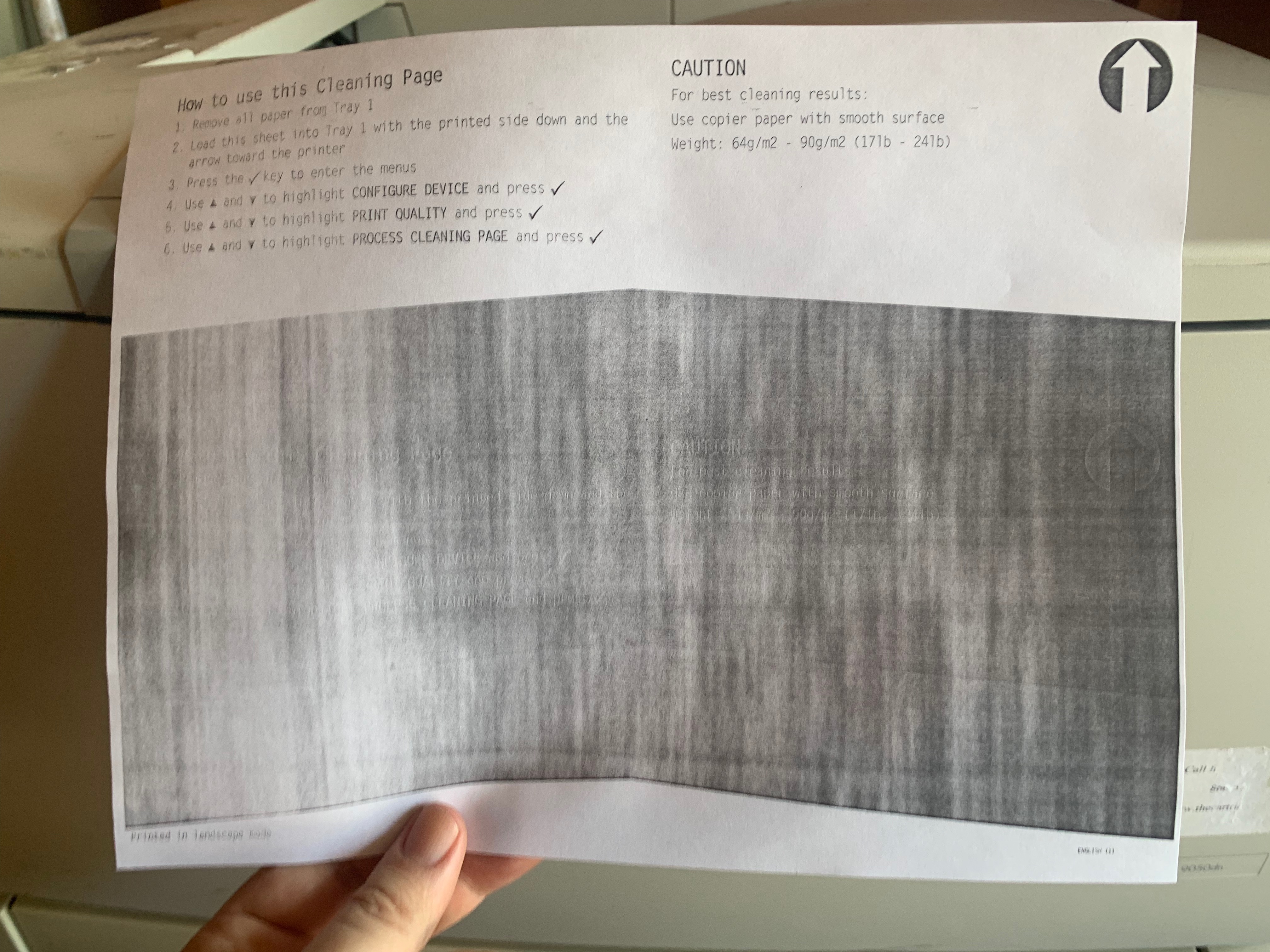
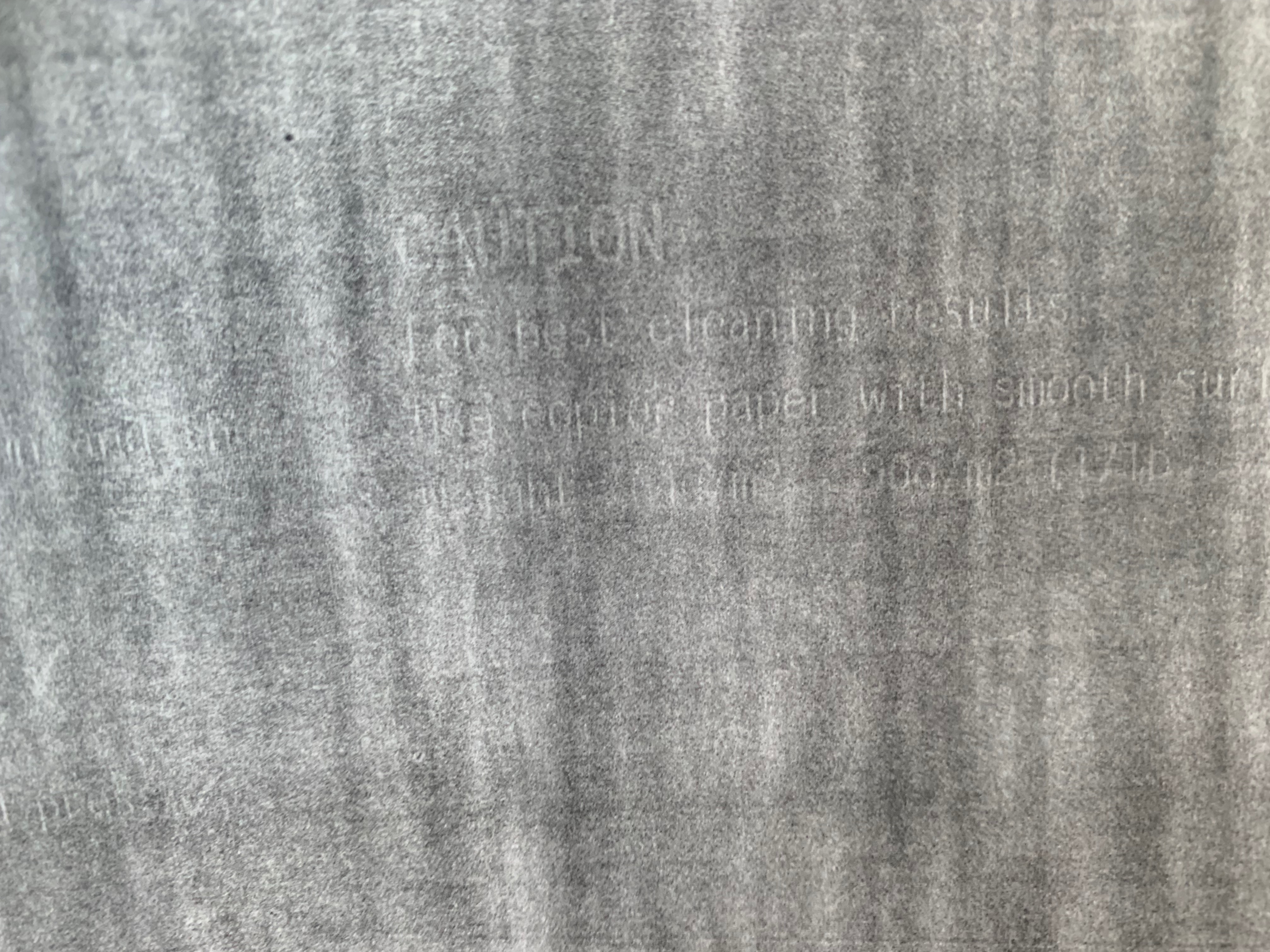
#What's going on? So I picked up this used HP 9050dtn printer to use in my garage print shop. But the print quality is extremely poor - faded black areas, some ghosting on the page. When I got it there was also a bunch of extra toner in the white areas.
I replaced the toner cartridge, thinking it was just close to empty, and that did clean up the edge quality a bit, but did nothing to improve the toner density. I also discovered what looked like a transparency had been caught in the fuser unit and had melted around the fuser unit. I went ahead and peeled that off, but that didn't fix anything elther. I later realized that what I had probably peeled off was the fuser's outer plastic protection layer, that had gotten caught on something and partially pulled off the fuser.
So I went ahead and replaced the fuser unit as well, but still the toner density is very poor. The Cleaning Pages I print are coming out streaky and grey. My only other thought at this point is maybe the toner sensor is bad, but I haven't been able to find info on a replacement for that.
| Questions | Answers |
|---|---|
| Printer model: | HP 9050dtn |
| Print Frequency: | Few times a month |
| Firmware version: | 20100213 08.140.5 |
| Connection: | wired ethernet |
| Current OS: | Mac OSX 10.14.6 |
Applications Tried: | InDesign, Preview, Built-in reports Error Messages: | na Cartridges Used: | OEM Print Unit
#What steps you have already tried?
#Pictures: (Cleaning Sheet) (Ghost Image)
Hey all: I'm planning to get set up to use polyester plates on my Multilith 1250, but one issue I'm wondering about is that my press uses a pinbar to hold the plates in place. None of the poly plates I've found are punched, and I'm wondering if the material is durable enough to survive being punched? Some videos I've seen show the operator clamping in the head end of the plate with the bar clamp, then wetting the plate cylinder to get the plate to stick to it, not clamping the tail end. If I punch both ends and use the cylinder tension to hold the plate, will it tear? With a pin-bar press am I better off sticking with the metal plates?