Frieren MTG Proxy (art by @jolseon on X)
For those that play MTG, an Izzet commander is just so perfect for her and with how busted Vivi can be. I had to do it 😂
u/Pale_Squash_4263 — 2 days ago
For those that play MTG, an Izzet commander is just so perfect for her and with how busted Vivi can be. I had to do it 😂
Hello all, I wrote a thread many moons ago that focused on deck-building for BRAND NEW players. People seemed to really enjoy is so this is a follow-up to that guide with some parts that I didn't cover/more advanced topics.
Keep in mind this is for new players, if you have strong opinions about Vivi, this guide is not for you.
This also assumes you've read Part 1 and have played a few games. So you have a deck that you're using and you've won some and lost some games. Anyways, let's get into it!
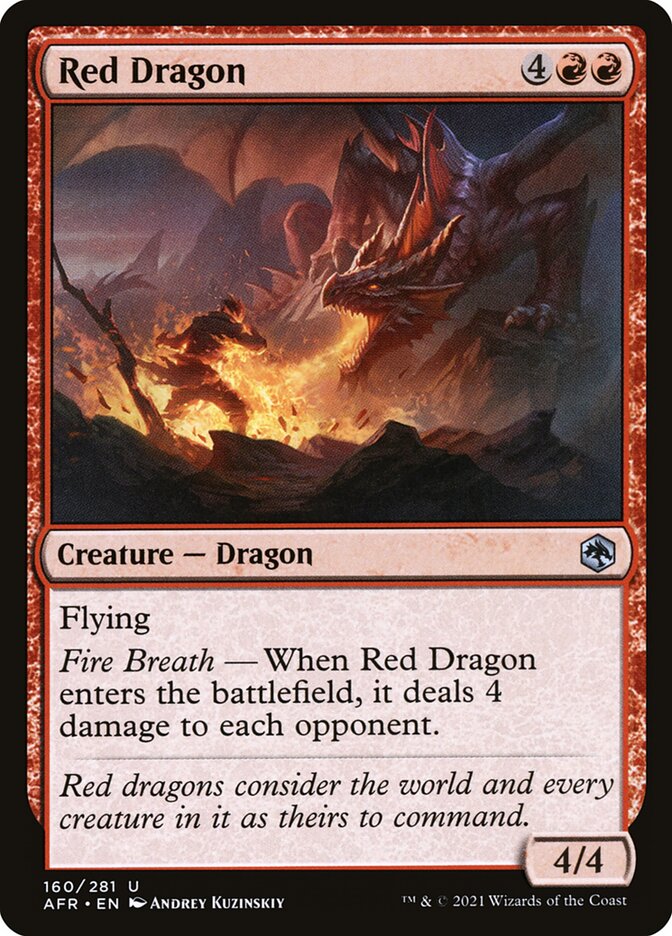
A common problem people run into when they first start building decks is drawing the right cards at the right times. If I start the game with Red Dragon in my hand, that's not really useful for the first 5 turns.
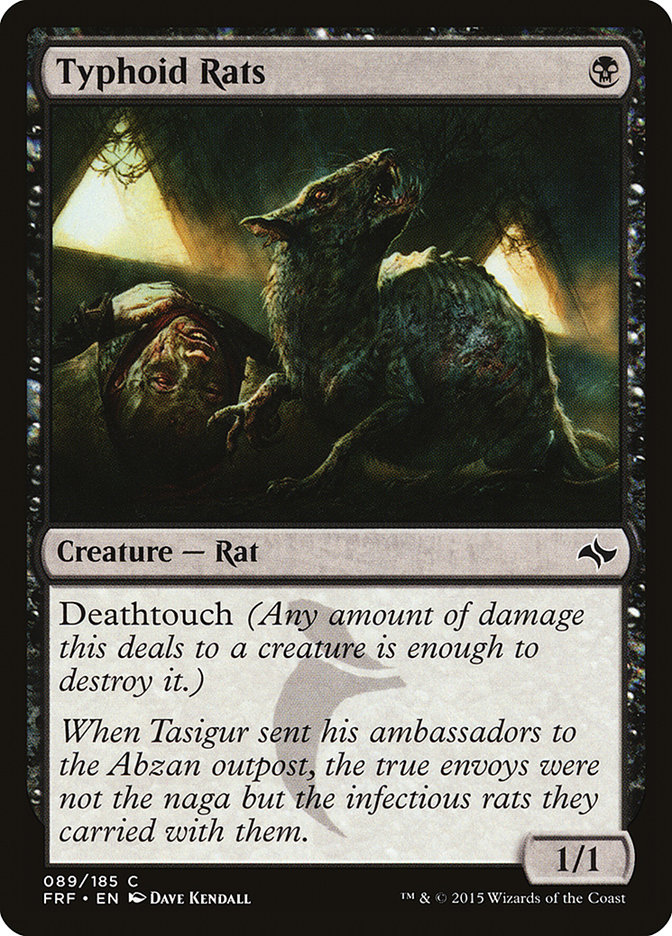
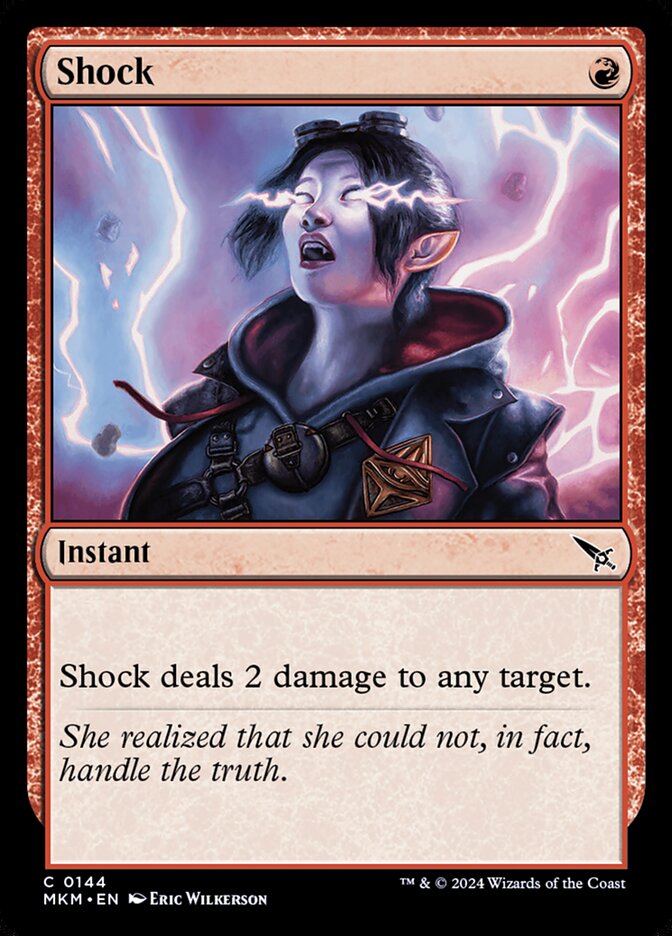
Conversely, if it's turn 8 and I keep drawing stuff like Typhoid Rats and Shock that's not really useful either because I need to end the game with something big before my opponent does.
So to fix this, you to know and understand your mana curve.
If you take all your cards and organize them in columns by their mana cost, that is your mana curve: 4 cards cost 1 mana, 8 cards cost 2 mana, etc.
Something you'll likely notice immediately is that there's peaks and valleys in places. You might have the highest amount of cards at 1 and 2 mana. This means that more times than not when you draw a card, it's going to be that lower cost. If you only have 1 card that above 4 mana, then you'd be hard pressed to expect to draw it in your game.
But what to do? I need small things AND big things AAANNDD I need them at the right times.
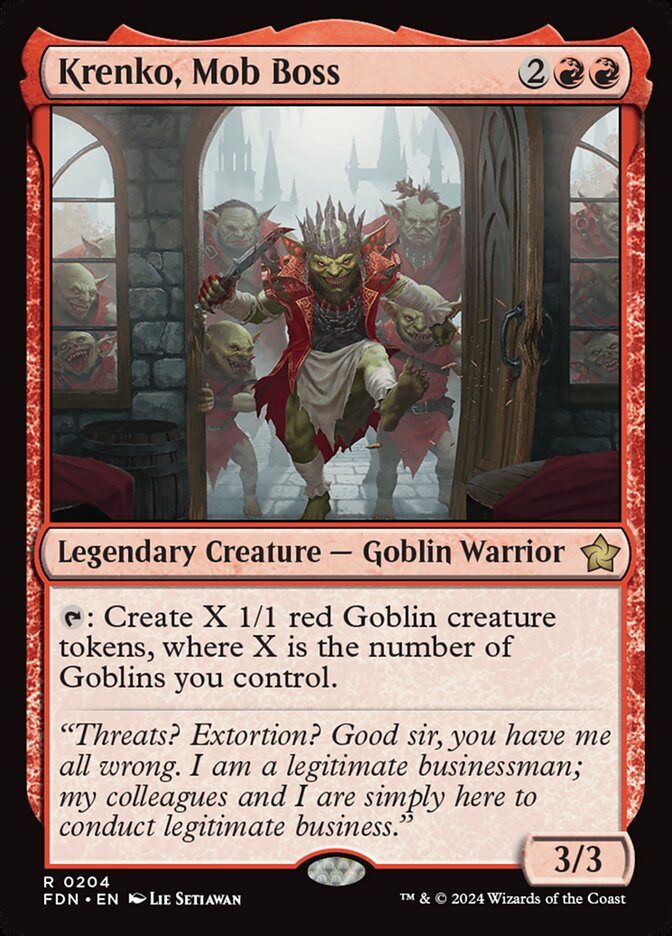
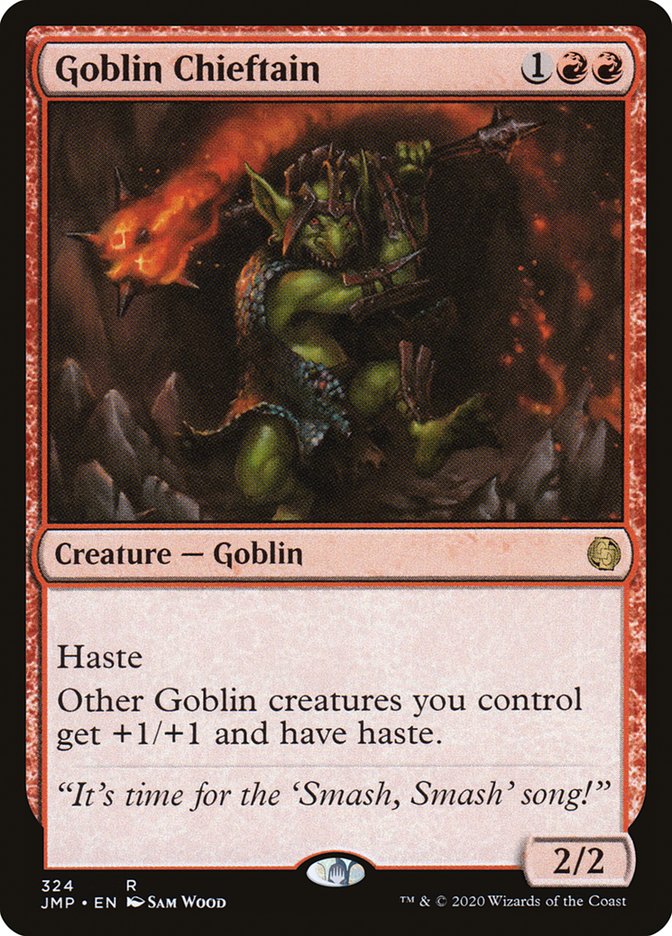
An easy way to do it is to look for cards central to your game plan and slot more cards in and around that central point. If you have a goblin deck, odds are that Krenko, Mob Boss is going to be important and he costs 4 mana. So that means 3-4 mana should probably be your peak so you can reliably casts stuff on turn 3 (when you have 3 mana) and expect to see Krenko (and cards like him) for turn 4. So I'll look for stuff like Goblin Chieftain which costs 3 mana so I can be well set up for when big boi comes out. It's all about building to that sort of crescendo.
__
Let's take a deck that I actually use which is all about rats.
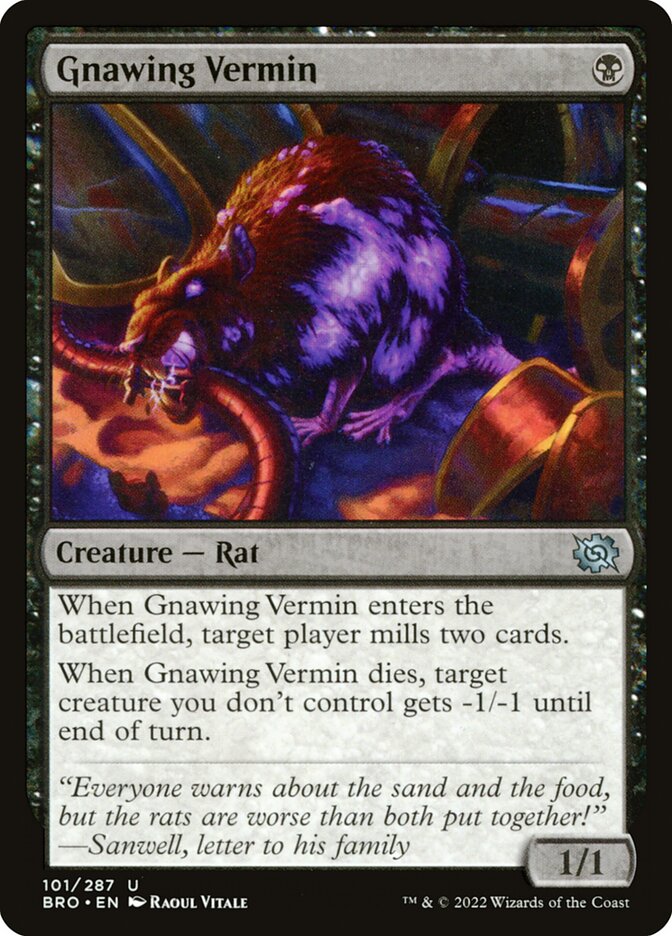
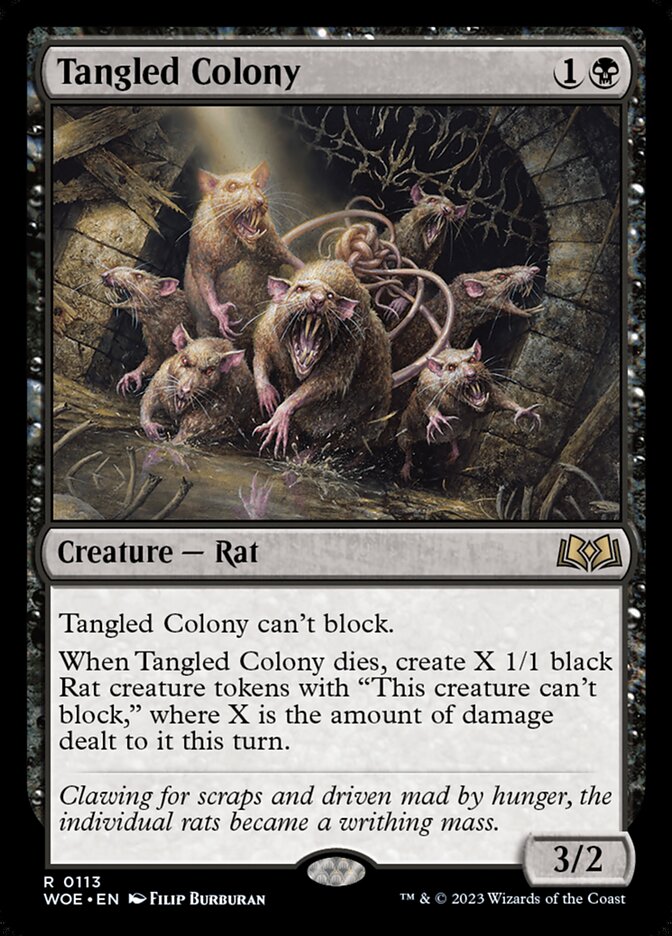
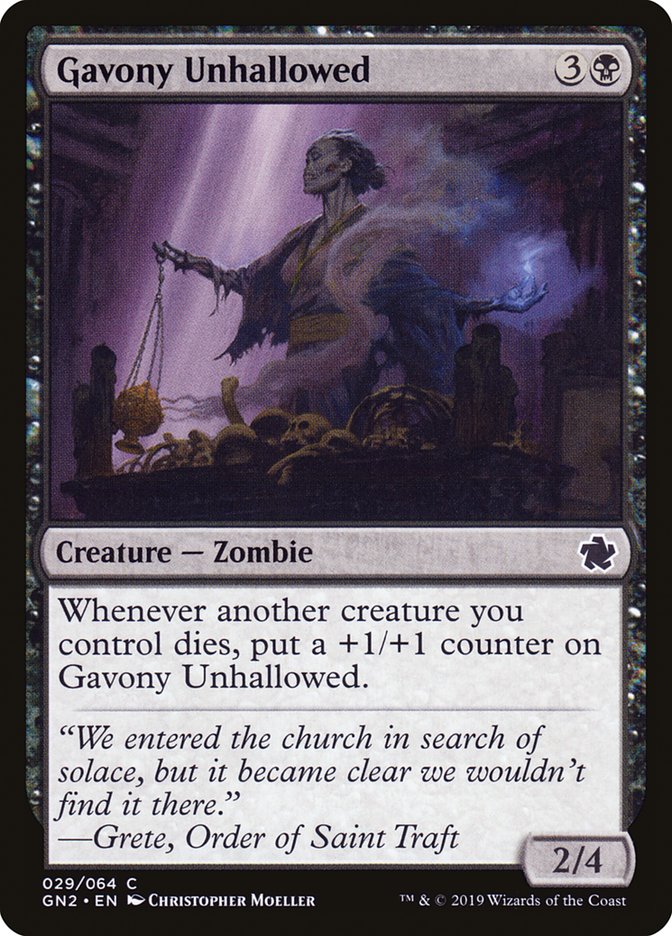
This deck focuses on getting a lot of rats out ASAP, so a lot of my spells are in the 1-2 cost range. This allows me to always start the game with some sort of ways to get rats on the board. So things like Gnawing Vermin and Tangled Colony to ensure I get rats out quickly. The higher cost mana items are not frequent in this deck, because the meat of my deck is focused on lots of creatures super early. It'll be nice to draw into them at some point, but I'm hoping to do it when I have the mana to do so. One of the highest costs cards in this deck is Gavony Unhallowed that will be nice to help close out the game as my rats start dying.
Notice how the curve is gradual, there's no hard peaks. It starts out larger, then scales down as the game progresses. This ensures that I can expect not to see those higher cost cards too often and, if I do see them, it'll likely be at the end of the game.
There's no real right/wrong answers here, some decks peak at 3 mana cards and stop there. Some decks have a lot of high cost cards. It depends on what your decks goal is. However, as a GENERAL rule, placing the peak at 3 mana is a good starting point.
There's SO much more to talk about on mana curve and I've re-written parts of these already lol so I'll stop here.
Go try out some different configurations of where to place your mana costs and go HAVE FUN!
Moving from our legacy reporting tool to an AI-native, semantic-forward, agentic-focused stack presented real challenges for us as a mature organization. Sales dashboards that showed outdated metrics, financial measures that didn’t have consistency, and fires to put out every day.
It’s not planning, it’s resource attrition.
🧠 No More Cognitive Load-Bearing
- Data stored in AI-native applications now allow you to be wrong *confidently*
- Show graphs in *real-time*
- Elaborate incessantly without providing any real value
🤖 Agent Native Control, Real Accountability
- Provide semantic context regardless of what that means to anyone!
- Say something else about semantic layers
Is anybody actually reading the rest of this satire post?
✨ SparkleAI Compatibility
- Increase your teams budget by up to 220% by adding sparkles in strategic places to show that you are an AI native
- Don’t provide any actual business values—that’s old thinking—look to the future
—
Does that post work for you? This post successfully seem like a legit post but link users to a service that will be bankrupt in 6 months. I can provide more context by melting the polar ice caps for $24.99 a month.
I have a very witchy-type group, so I’ve created a system to incorporate tarot cards into the game as a sort of overarching fate that the players can play with, here’s how it works.
At the beginning of the session, I will lay tarot cards (the major arcana) out on the table for each player and the GM, each player will choose one and read it allowed. I have a little book that gives me some detail on what the fate of the tarot cards entail. For example, one player could pull “The Hierophant” which then I will read a little inscription that says to “place faith in institutional powers and do not go off the beaten path”
during the session, the players can choose to “follow their omen” if they are stuck on a decision or they wish to see where it leads. Following the omen might provide some material benefits such as: advantage on the roll relating to it, some information, or material reward.
Here’s the kicker though… the GM has a card too that they can spend. If anyone knows what “The Tower” is, it’s fun when I pull that one lol
Just didn’t know if it was still a good option verses something like BORK due to the % health shred. Does Black Cleaver scale better even with something like dr mundo?
Something I've been thinking about (and an issue in my org) is that it's a bit unknown if we are responsible for data within the organization or in charge of analytics.
If we are in charge of data, then metrics that get defined after us don't matter and it's up to the business units to figure that out. But then it falls to BI departments to get blame when things are mis-aligned
If we are in charge of analytics, then we have to enforce certain metric definitions within departments to ensure consistency across the organization. But then you don't have a lot of say on how data moves throughout the org to support these definitions
I feel like the true answer is "a little of both" but how do you manage that, just looking for some general thoughts. Thanks!
Personally I always ban Akali, any attempt to gank her ends up with her going invisible and wasting my W 😭
I’m a dev that’s interested in exploring the product side a bit more and I’ve been reading some good books on the topic. But I can’t shake the feeling that a lot of these books take 100 pages just to give the advice in the title.
Obviously, easier said than done but does anyone else get this feeling?
“Make sure executives are in alignment before perusing new projects”
“Ensure that a psychologically healthy environment is present”
“Write down the goals of the organization before committing to them”
And I’m just feeling a little… duh about it. Maybe I’m not reading enough into it and I respect the advice. But it all kind of reads the same to me. Maybe someone can shed some light on this feeling or what I should be taking from that kind of advice. Thanks!