
EXCLUSIVE! S-GAME details the combat, Kung Fu Punk philosophy, and behind-the-scenes aspects of Phantom Blade Zero
Another great interview with interesting informations inside.
Cheers!
"During our on-site coverage in Los Angeles at the invitation of S-Game, we had the opportunity to conduct an interview with the creator and director of Phantom Blade Zero , Liang “Soulframe” Qiwe, accompanied by the studio's development team.
As agreed with the production team, the conversation focused on game design, combat mechanics, map structure, and the project's cultural vision. After playing for almost 6 hours, we left the test with some questions and curiosities about the project.
Next, check out our full interview with all the questions asked and the respective answers provided by the developers.
When I played the first part of the game, I saw some similarities to fighting games because of the timing , the hit , the frame rate . Are you a fan of fighting games? And how did that influence the behavior of the opponents, especially on Hellwalker difficulty, where the L2 buttons show special moves that don't allow parrying ?
Soulframe (S-GAME): Yes, I'm a fan of fighting games, of various types like Street Fighter and Mortal Kombat. Regarding the Kung Fu mechanics, we needed to bring an integrated concept to the game. We want players to feel like they're really controlling their character against another player. In Hellwalker mode, we created this kind of dynamic behavior. We divided the combos: instead of being a fixed sequence of 1, 2, 3, 4, now we can have 1, 3, 4 or 1, 4, 3. There's no fixed pattern; each action is based on the movement of the moment. It's not a static reading, but rather a reaction. The Artificial Intelligence is very intelligent: they will act to induce you to make mistakes.
Regardless of how difficult a game is, when players gain enough experience, they eventually stop taking damage due to fixed patterns. In most games, to increase the difficulty, developers simply increase the health and damage of attacks. We found another way to increase the difficulty: we created different behaviors and even different abilities. Some abilities only exist in the higher difficulties. The Flower Girl, for example, doesn't perform the red attack the first time you encounter her. By the third time, she always does it.
Combat is clearly one of Phantom Blade Zero 's greatest strengths . How did you balance the cinematic feel of the fights without taking away the player's real control and skill?
Soulframe (S-GAME): In modern games, people are tired of overly performative combat full of Quick Time Events (QTEs). We limit the amount of excessive cinematic moments. What we do is break these epic moments into very small pieces to adjust the pacing. For example, after a series of blows, there's a one or two-second execution for the player to catch their breath, and then it immediately returns to the actual combat.
There aren't very long QTEs. The long sequences serve as narrative elements. In normal fights, we make these quick executions to adjust the pace and prevent the player from getting tired or just mashing buttons. All of this together makes you feel like you're playing a playable Kung Fu movie, but actually being in control.
This includes the wagon fight at the beginning of the game. In many games, wagon fights are just QTEs or performances. Our wagon fight is a real fight. You use the same combat system you use on the ground; we just adjusted the camera to look cinematic. All abilities are triggered by the buttons themselves. Everything is connected naturally to provide a pause or a surprise.
In the battle with the cart, what was happening to the horses and the faces of the enemies?
Soulframe (S-GAME): What happens to horses is the same thing that happens to people's faces. In the game world, the face and the emptiness on the face are great representations of your humanity and your natural being. When you lose your face, you become something inhuman. The same happens to horses: something similar happens to the horse's body and face. It's an aspect of our world that you will discover in the future.
The game has over 30 weapons and 25 Phantom Edges . How do you ensure that each weapon feels unique and changes the way you play? And what happens if the player evolves the wooden sword?
Soulframe (S-GAME): We tried our best to ensure that each weapon has its own unique way of being played, but we didn't decide how the player should play. Someone might use the wooden sword to defeat everything, and we didn't limit that. We offer options and variety: each weapon has different lengths, weights, rhythms, and combos. In Chapter 2, you'll discover even more special weapons, in addition to Phantom Edges and the combination of the main weapon, sub-weapons, and accessories. This allows for countless builds.
Certain bosses are vulnerable to specific weapons, just like in Mega Man, but it's up to the player to explore. Think and play like a Kung Fu Master. Furthermore, there's a very simple system for reverting levels and recovering upgrade materials without any penalty. You can try any strategy you want.
Regarding the wooden sword: by upgrading it, you will unlock the most authentic experience and philosophy of Chinese Kung Fu. When your Kung Fu reaches its maximum level, you don't need a weapon; you can even fight with a wooden branch. It's the philosophy of "not being rigid and flowing like water," as Bruce Lee said.
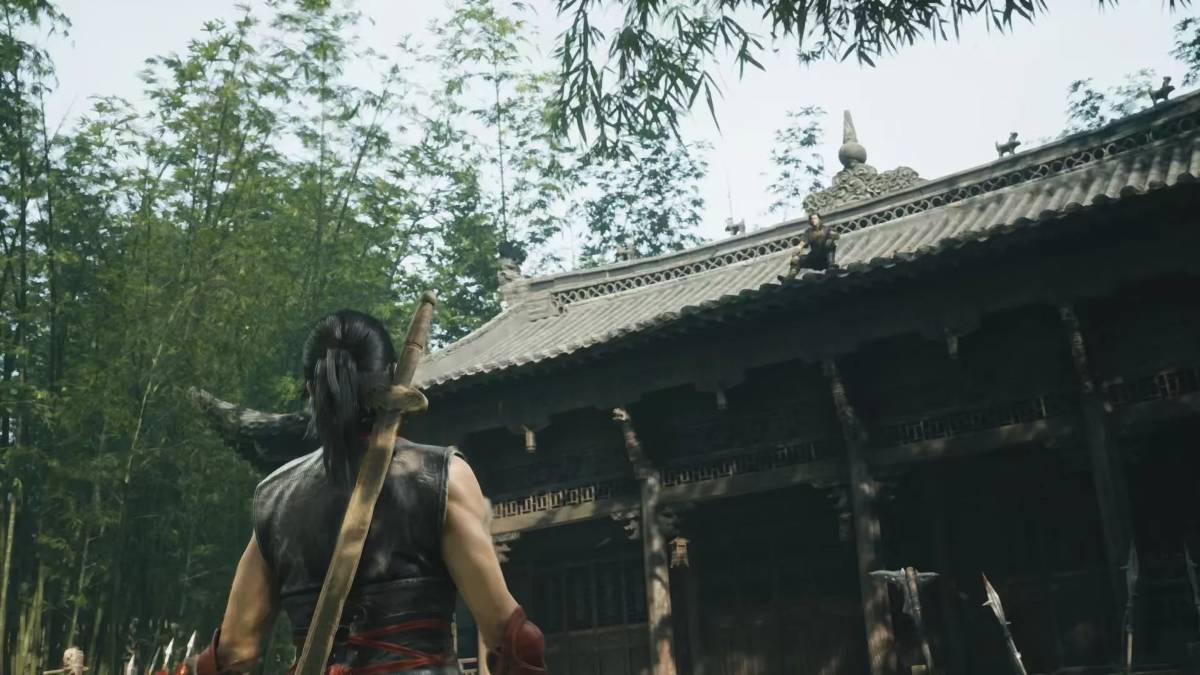
The protagonist, Soul, only has 66 days left to live in the story. How does this idea affect the story and the pacing of the game during gameplay?
Soulframe (S-GAME): On the first playthrough, this count serves only as background narrative context, without mechanically affecting gameplay. If it did affect gameplay from the start, it would make the game too hardcore for most casual players.
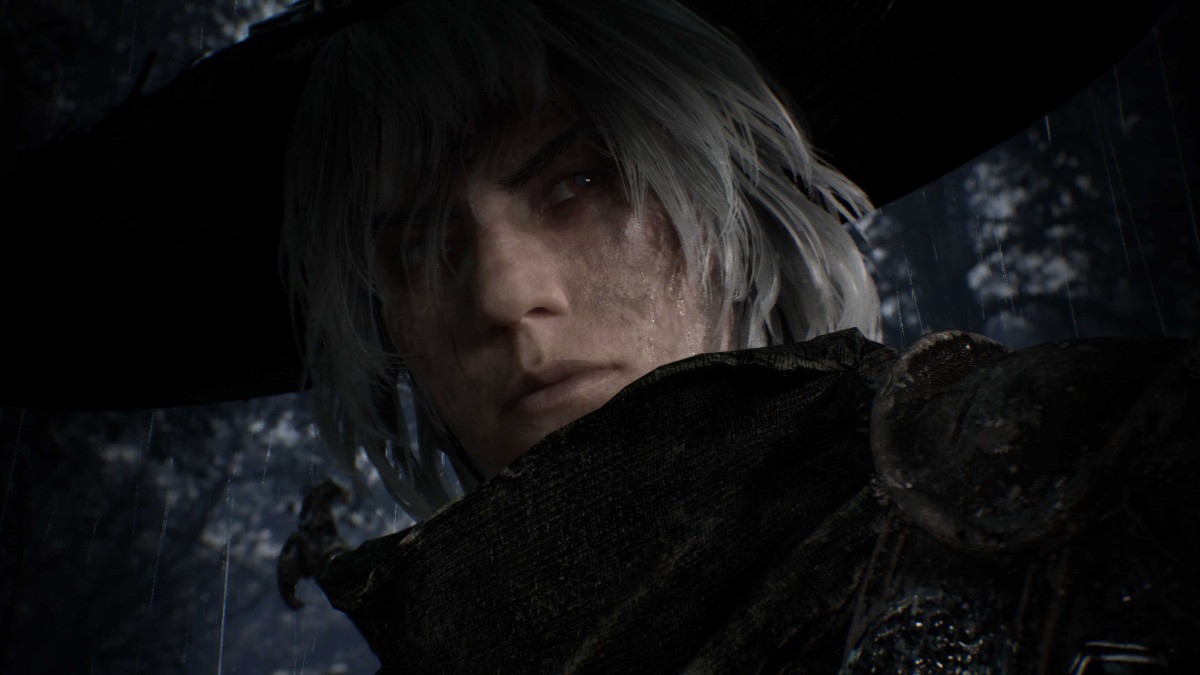
However, starting with New Game Plus, we've activated the 66-day mode, which restricts your chances of dying. Think of this mode as a single-play roguelike experience lasting 20-30 hours, but you keep all your accumulated arsenal. It's a different way to play through the game. Several combat designers from our studio have already finished the game in this 66-day mode using different strategies and timings.
You chose to create a connected world instead of the traditional open world. Did you ever consider making an open world?
Soulframe (S-GAME): Our game sits somewhere between a true open world and a linear experience. It offers freedom of exploration, hidden areas, and side quests, but everything is meticulously hand-drawn. We don't scatter generic elements across a giant map. It's a sandbox with detailed and intricate three-dimensional level design.
Side missions aren't mundane tasks like finding a cat or unclogging a toilet. All side missions delve into the world of Kung Fu, the Wulin world, revenge, love, and hate, enriching the game's lore. We've focused deeply on the depth of the experience, combining exploration, surprises, and combat without making the player feel like they're wasting time on an empty map.
Does the level design draw inspiration from Metroidvania games ? How does the guide system on the map work?
Soulframe (S-GAME): Yes, we have inspirations from the Metroidvania style, but in a modern way. We have clear navigation so the player doesn't get lost, but with an artistic design. There's a red wire connected to a bell that indicates the direction of the next bell. In addition, we have a traditional map in the style of Chinese ink painting that provides a general sense of direction, but without marking the exact point.
Our guidance system displays the objective text on the screen for only a few seconds. We designed the user interface (UI) artistically to avoid modern systems cluttering the adventure. We don't hold the player's hand with fixed map markers, lines drawn on the ground, or autopilot. We want to help the player avoid getting lost while maintaining immersion.
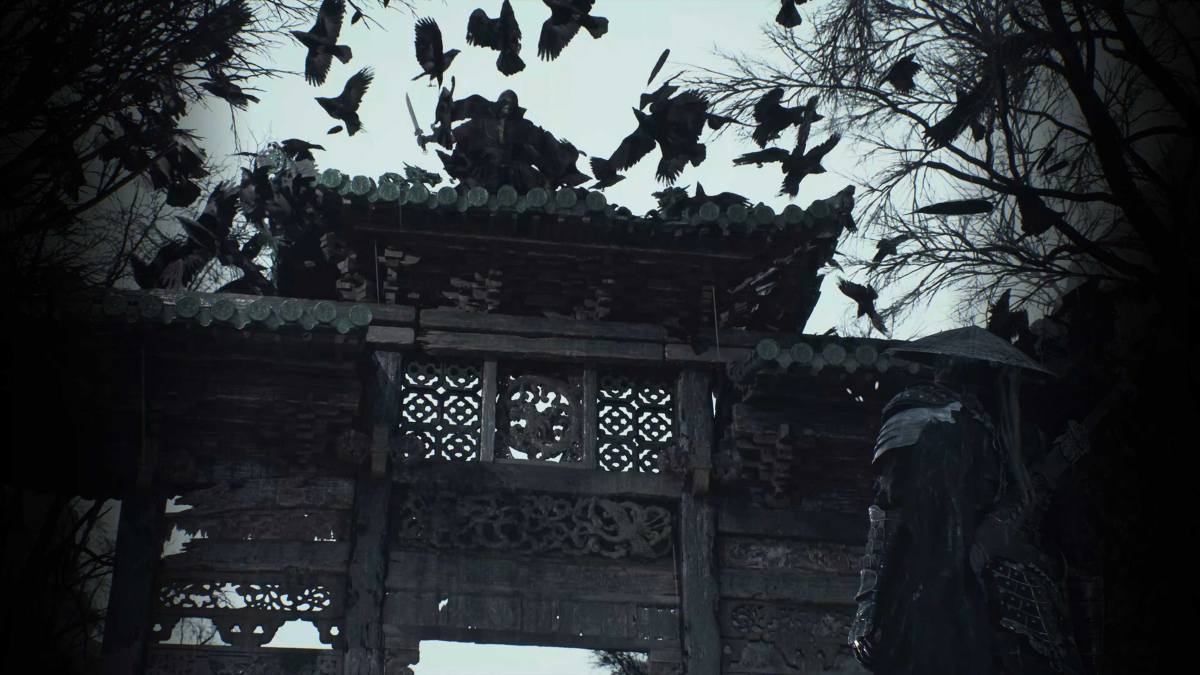
The game blends traditional Chinese martial arts with modern elements through the Kung Fu Punk style . How did they decide how far they could take this mix while maintaining the identity of Phantom Blade Zero ?
Soulframe (S-GAME): When we created the Kung Fu Punk style, we began to fuse traditional Chinese culture with modern entertainment elements such as Cyberpunk, body modifications, Steampunk, and dark aesthetics. It's the new way of thinking for the new generation of Chinese people.
Twenty years ago, when people talked about China in the West, they only thought of an ancient and historic country. Nowadays, the image of China includes high technology, high-speed trains, robotics, and electric vehicles. We, as next-generation developers, wanted to present this current aesthetic.
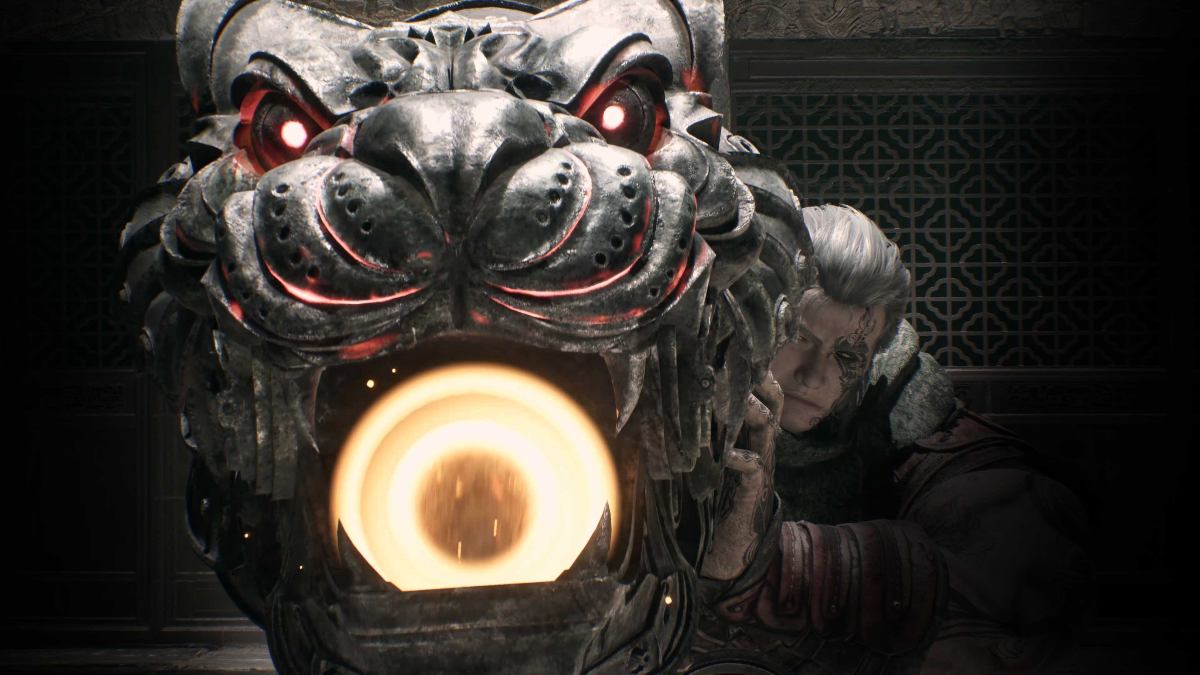
Many Hollywood productions rely on cultural stereotypes from 40 years ago. As genuine Chinese developers, we have the opportunity to show what Chinese people today really think. Kung Fu Punk is not only historical and authentic; it's modern, fashionable, fresh, and delivers an excellent experience for players worldwide.
What is the current state of the gaming industry in China, and what impact has the success of Black Myth: Wukong had on you?
Soulframe (S-GAME): The game industry in China is developing naturally. Our main goal is to make a fun and engaging game experience for everyone. With a fun game, the opportunity arises to organically convey our culture and philosophy, such as the ideas of Bruce Lee and the wooden sword.
Regarding Black Myth: Wukong, the game's producer and I are close friends. The success of Black Myth: Wukong opened up the market and proved the possibility of Chinese developers migrating from mobile games to large AAA console and PC productions. We thank Game Science and Wukong for this.
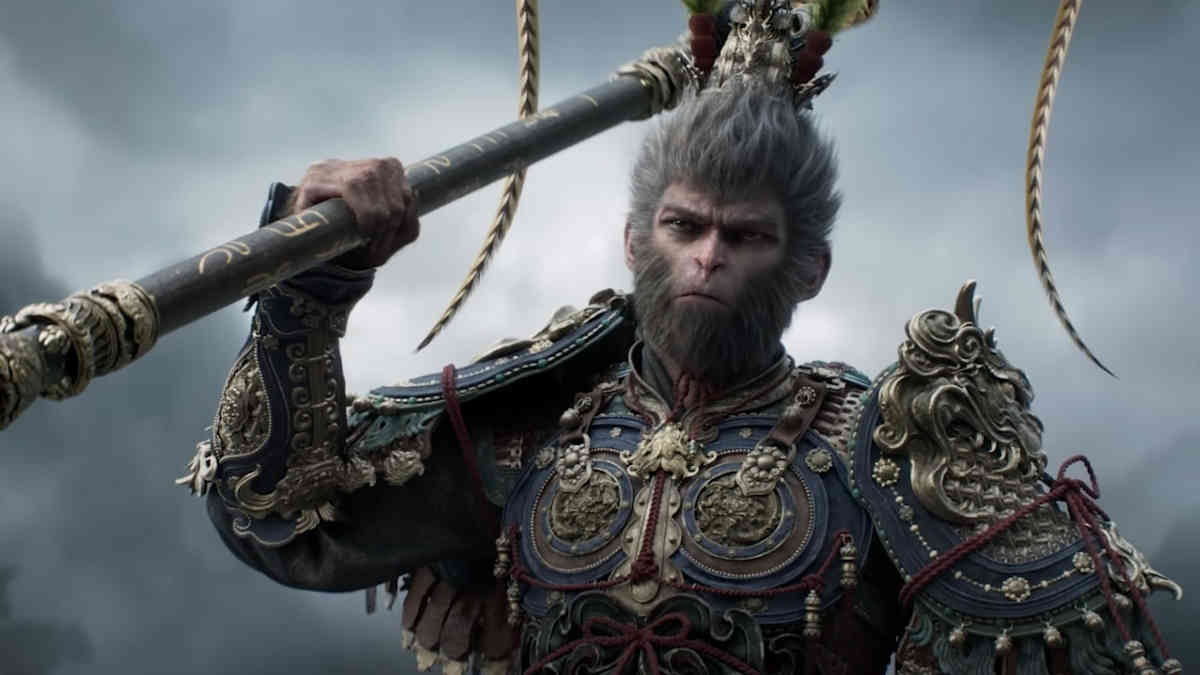
However, we are following different paths. Black Myth: Wukong takes a classic Chinese novel and presents it on an international stage. We are creating our own story and our own authorial world. Phantom Blade started as an indie project I made and has evolved to where it is now. Both approaches are valid for the industry.
What is your relationship with the Brazilian audience like? And how did the director's academic background influence the creation of the games?
Soulframe (S-GAME): The audience in Brazil loves Phantom Blade Zero. At the last Gamescom Latam, our team was present and the lion head used in our presentation was donated and is on display in one of the São Paulo metro stations. I myself was in Brazil 15 years ago, when I was studying architecture at Yale University, visiting Rio de Janeiro and São Paulo."