It’s Crazy What $120 Gets You Nowadays
TL;DR
The Juzear Nebula is a great execution of a V shaped sound signature without the thin midrange and punishing upper mids and mid treble usually associated with it. If you’re someone looking for a great all rounder iem around $120 or an alternative to the defiant without the qc issues, this is a very strong option to consider.
Context
This iem was kindly sent to me by the HifiGo for review, all thoughts and opinions are my own. I generally prefer iems that are non sibilant with relaxed upper treble and upper mids and raised lower mids that add body to the sound (kinda the opposite of harman ie 2019).
Eartips Tested With
Audiocular flexfit, Audiocular atmos, roseselsa qt superbowl, stock narrow and wide bore, kbear kb07, zisin tips and coffee tips.
Sources Used
Audiocular Spark, Fiio Retro Nano, Macbook Port, Fosi K5 Pro.
Design, Build, & Comfort
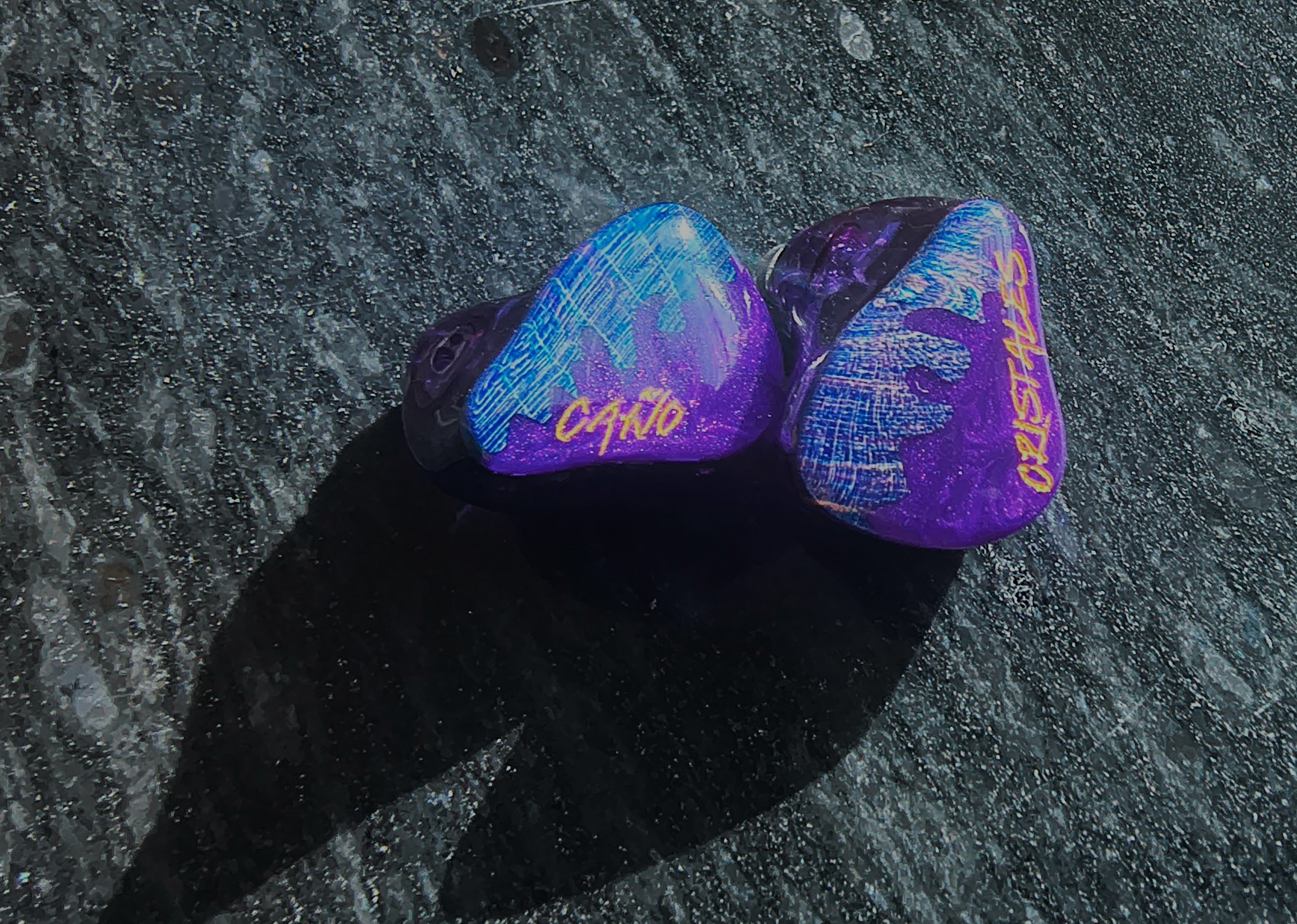
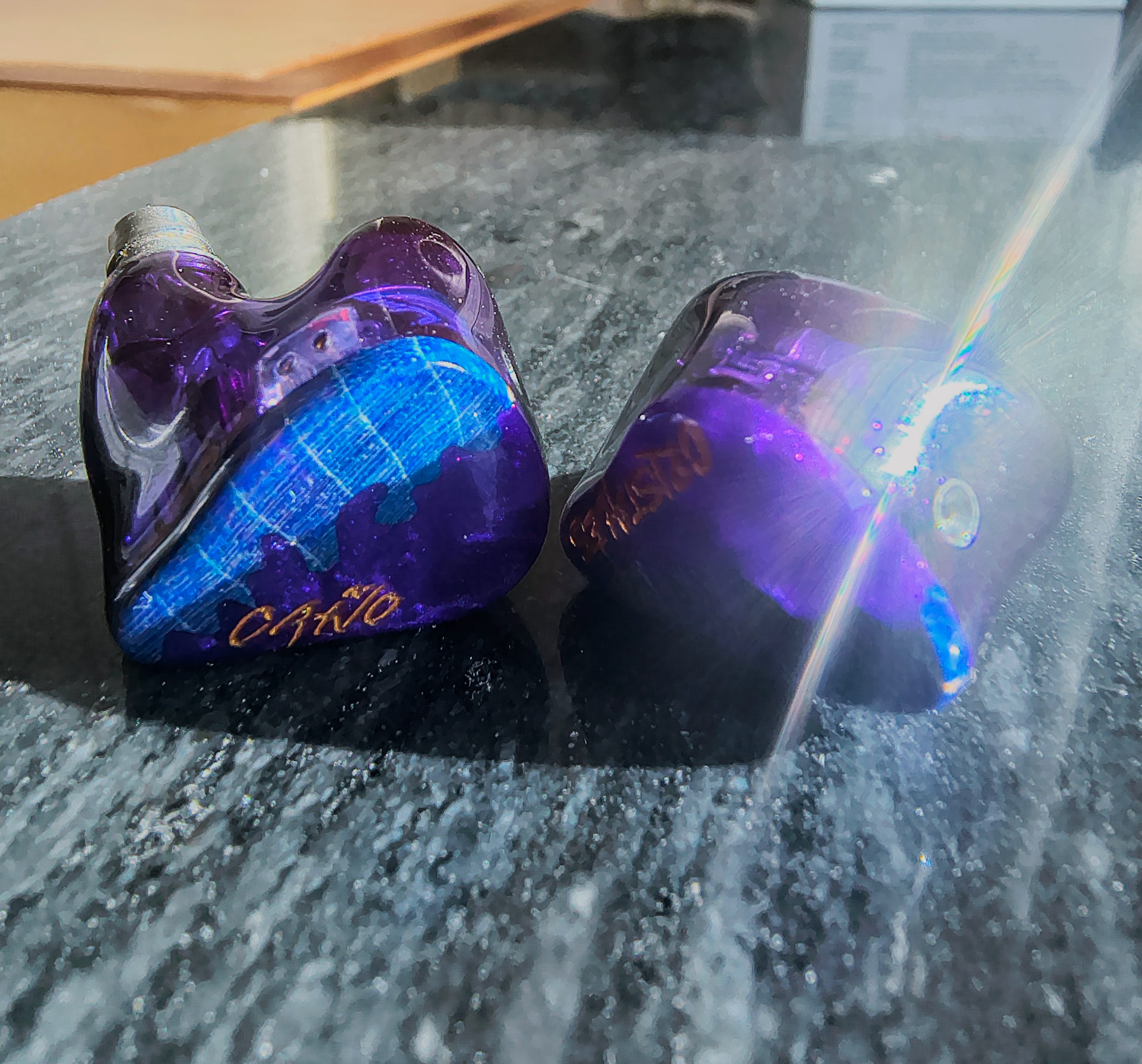
- Aesthetics & Build: The nebula seems to be made out of hollow resin with metal nozzles. The faceplates have a “nebula inspired” design which plays with the light, looks different at different angles. It looks a lot like the epz p40, personally I find this a bit too flashy but a lot of people seem to like it. There is a vent on the side which is built into the shell (common complaint with the defiant), there is no driver flex and the nozzles seem well glued in. Fixes all of the issues people had with the defiant.
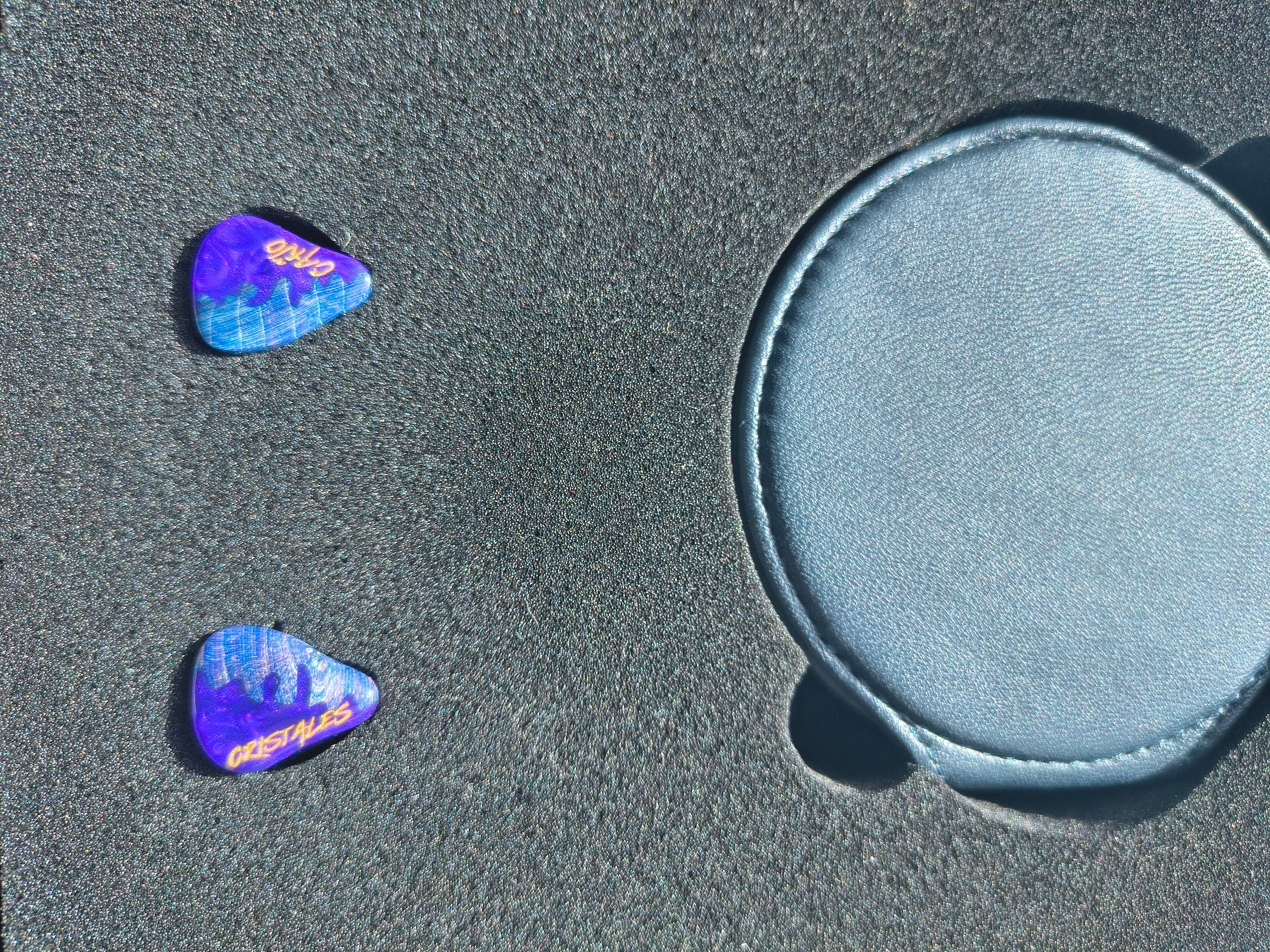
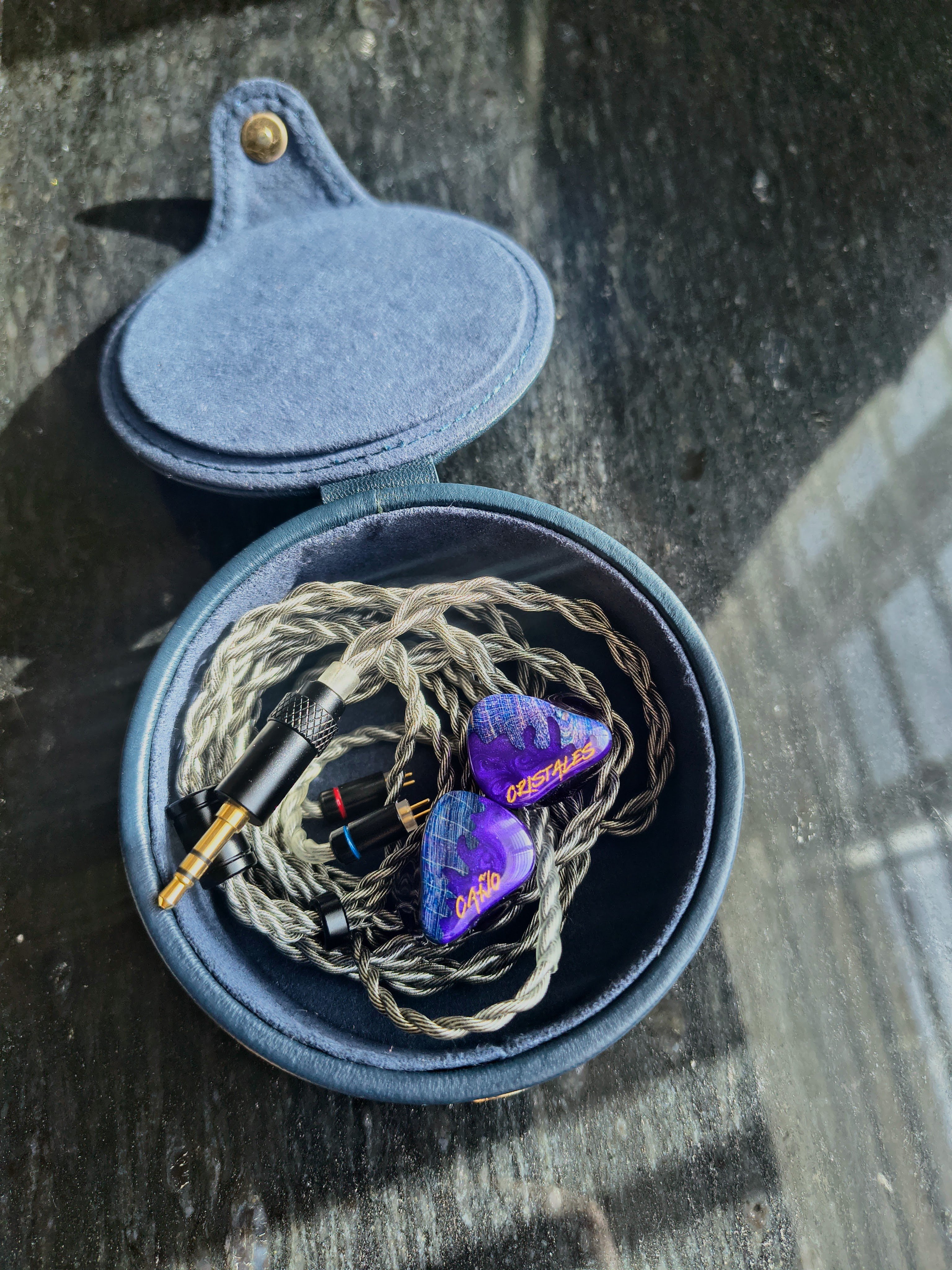
- Comfort & Cable: This is a fairly large iem with large nozzles so it’s a no go for people with small ears, it’s a semi custom shell so it fits me very well, isolation is surprisingly strong as well. It comes with a very nice 2 wire braided cable similar to juzear’s other iems like the nimbus, fiesta and defiant. There is a swappable termination mechanism which has a screw to hold on to securely while still being short. The nebula comes with 2 sets of ear tips, a generic narrow bore and shorter wide bore tips. I wish it came with a hardshell carry case instead of a pouch tho, it’s hard to put the iems inside the pouch and even the cheaper defiant comes with a hardshell case.
The Sound
The Juzear x Koto Nebula has a tribrid 1 DD + 3 BA + 1 Micro Planar driver configuration tuned to a V shaped sound signature by kajikaji.
- Bass (20 hz to 300 hz): The nebula is a V shaped iem imo, which means elevated bass (more quantity than i’d prefer) but the bass on nebula is fantastic, it’s the ideal bass shape for me even if its a bit too much in quantity. The mid bass hits super hard with a lot of mass while still sounding super tight, none of that loose pillow like bass which a lot of bass boosted sets sound like. The sub bass is well extended with very good texture, bass guitars sound great. The filled in 200 hz and almost linear rise from 300 hz to 20hz compared to harman makes bass instruments so much more true to life and filled in. Kickdrums hit with good body and definition rather than a detached subwoofer style thud. The filled in mid bass and lower mids mean it wont sound as “clean” and separated as other popular harman sets but i much prefer the nebula’s approach to bass/
- Mids (300 hz to 6000 hz): The lower midrange remains nicely filled in providing a much needed warmth and body to the sound. It helps to fully reproduce the fundamental frequencies of male vocals, acoustic guitars and piano instead of thinning them out and over emphasizing the upper overtones like harman does. There is a gentle pinna rise from 1k which peaks at around 3.1k to my ears. The ear gain is definitely on the relaxed side which makes female vocals sound way less forward than harman sets. The rich lower mids combined with relaxed upper mids gives it a “syrupy” characteristic to vocals which I love, reminds me a lot of the pure tho the nebula is a bit more exciting. If you’re used to shouty and nasal sounding female vocals this might sound low res to you. Since there is no mid bass/lower mids tuck the midrange blends very well with the bass, although at the cost of some contrast and instrument separation. I would’ve liked to see a bit less 2k to make vocals sound nearer but this is still a very solid execution.
- Mid & Upper Treble (6000 hz to 20000 hz): The nebula has the right amount of mid treble for me. It sounds crisp and provides adequate shimmer to hi hats, cymbals and snare drums without getting fatiguing. Mid treble generally sounds smooth without any obvious peaks or dips but the same can’t be said about the upper treble, there is a noticeable 13k peak. A lot of iems do this to add “detail” but it just ends up adding a zingy and wispy characteristic to the sound, especially when coupled with the slightly relaxed mid treble it only brings out the harsh overtones of treble instruments. I had to eq this down. There is no added sibilance as well.
- Subjective Technical Performance: The nebula has very good mid bass slam while still being tight, sub bass is well textured and extended. Very solid imaging as well, and the 13k peak for resolution haha.
Comparisons
Compared to some other popular iems around $100:
- Aful Explorer: One of the most popular iems in the price range, the explorer is a much smaller and more comfortable shell, that's also wayy darker than the nebula with recessed vocals and upper treble roll off. Nebula is a lot more exciting sounding that will probably be preferred by more people. Nebula has a better cable as well but doesnt come with a hardshell case.
- Truthear Pure: The nebula has way more bass with a more comfortable shell, i prefer the pure’s midrange more than the nebula but i usually like warmpoo iems with non peaky upper treble.
- Truthear Hexa: I prefer the nebula’s warmer mid bass and much much better bass dynamics, mid treble is way less peaky on the nebula. Better comfort and cable on the nebula as well.
- Aful MagicOne: Much better bass presentation on the nebula, warmer mid range and smoother mid treble. Magicone has better upper treble and comfort imo, also isolates better.
- Simgot Supermix 4: Nebula has better mid bass punch and a more true to life mid range but it doesn't sound as clean and technical as the supermix 4 due to the comparative more relaxed mid treble and filler lower mids. Nebula has a better cable
Who Should Buy This?
- People looking warm V shaped iem.
- People who enjoy a bass boost but not basshead levels.
- People liked the defiant but were scared of the qc issues.
- People who want a relaxed, syrupy male and female vocal presentation.
Who Should Avoid This?
- People who enjoy harman tuned iems.
- People with small ears.
- People sensitive to upper treble spikes.