No incluir mi dirección en la factura (autónoma)

Hola! Soy autónoma. Cuando tengo que ver a mis clientes, quedamos en un sitio público: una cafetería, un restaurante etc.

Hace poco he tenido un cliente raro. No me ha hecho nada en particular, pero me ha despertado la conciencia de que cualquiera de mis clientes sepa donde vivo y eso me incomoda.

¿Es obligatorio incluir la dirección en las facturas?

Si sí, ¿cómo hago para cambiar la dirección? Ingreso poquito y no puedo malgastar dinero en un coworking que no uso para tenerlo como mi domicilio fiscal.

¿Ideas?

Edit: Gracias a todos. Creo que voy a ir por la vía de oficina virtual. Hace poco he tenido un cliente que me mandaba mensajes a todas horas. Culminó cuando en un período de menos de 48 horas llegó a mandarme TREINTA enlaces rándom, no relacionados con mi actividad económica, sin yo reaccionar de ninguna manera a esos mensajes. Ahora me incomoda el hecho de que todos los clientes sepan donde vivo y creo que los 30€ de la oficina virtual valen la tranquilidad que me darán.
reddit.com
u/idiolectalism — 10 days ago
▲ 61 r/Spanish

More compilations: The meanings of ¡Dale!

So I guess this is what I'm doing now -- posting these little nuggets de español in r/Spanish :D

Anyway, you all probably know and use vale, but are you familiar with dale?

Dale is an expression that can mean several things. Here are some common situations where you can use it.

1. Letting someone pass

You are about to get in line at a supermercado, but someone else arrived at the same time as you. You want to be nice and let them pass, so you can say:

- ¡Dale, dale! (You go ahead)

They might respond with:

- ¡No, dale tú! (No, you go ahead)

This interaction could also take place if you're for example cycling and want to let a pedestrian go ahead at a crosswalk. Also, when said in this context, dale is often duplicated: ¡Dale, dale!

2. Agreeing to a plan or a suggestion

- ¿Vamos a tomar algo después del trabajo? (Let's grab a drink after work?)

- ¡Venga, dale! (Okay, let's do it!)

Here you could also say just dale or maybe even dale, vamos. These are all common ways to say yes to a plan.

Here's another one:

- ¿Te importa si abro la ventana? (Do you mind if I open the window?)

- No, dale. (No, you go ahead.)

3. Hurrying someone up

You are waiting for your friend to get ready, but they're a little slow. You could say:

- Dale, Dani, que no tenemos todo el día! (Hurry up, Dani, we don't have all day!)

4. Motivating someone

You're doing your subjuntivo homework and you just want to give up.

- ¡Es que ya no puedo más! (It's just that I can't do it anymore)

- ¡Dale, tú lo puedes! Confío en ti. (Come on, you can do it. I believe in you.)

Or you're at a gym trying to push through last rep. Your gym buddy might say:

- Dale caña! (Give it all you've got!)

Was this little nugget de español useful or interesting? Have I missed something?

reddit.com
u/idiolectalism — 24 days ago
▲ 51 r/Spanish

A compilation of things you can die of in Spanish (Me muero de calor)

I prepared another little nugget of information, this time about things you can (figuratively) die of in Spanish.

Because, usually when you learn the verb morirse (to die), you think "I guess I won't be using that verb much, because how often can you talk about dying in Spanish?"

But the fact is you can figuratively die of so many things:

1. Me muero de hambre

- Llevo ocho horas sin comer. Me muero de hambre. - I haven't eaten in eight hours. I'm starving.

2. Me estoy muriendo de sed

- ¿Puedes parar el coche? Me estoy muriendo de sed y necesito comprar agua. - Can you stop the car? I'm dying of thirst and I need to buy water.

3. Me muero de risa

- ¡Ese video es tan absurdo que me muero de risa cada vez que lo veo! - That video is so absurd that I die laughing every time I watch it!

4. Me muero de amor

- ¡Qué gatito más mono, me muero de amor! - What a cute kitty, I'm going to die of love!

5. Me estoy muriendo de calor

- Aquí dentro no hay aire acondicionado y me estoy muriendo de calor. - There's no A/C in here and I'm roasting (dying of heat).

6. Me estoy muriendo de dolor

- Me he golpeado el dedo del pie con la mesa y me estoy muriendo de dolor. - I stubbed my toe on the table and I'm dying of pain.

7. Me muero de vergüenza

- Me muero de vergüenza cada vez que tengo que hablar con un nativo. - I'm dying of embarrassment every time I have to speak to a native speaker.

8. Me muero de curiosidad

- ¡Dime qué pasó! Me muero de curiosidad. - Tell me what happened! I'm dying of curiosity.

Other things you can die of: frío (cold), cansancio (tiredness), sueño (sleepiness), miedo (fear), aburrimiento (boredom)... What else have I missed?

As you can see, all of these are used to exaggerate a feeling or a sensation.

You can also swap me muero for me estoy muriendo if you want to emphasise it's really right now that you're feeling this way.

BONUS: You can also say Me muero por... + verb/noun to mean "I'm dying to..."

- Me muero por comer pizza. - I'm dying to eat pizza.

Hope you found it useful and that you like these little nuggets de español I've been posting recently :))

reddit.com
u/idiolectalism — 1 month ago
▲ 187 r/Spanish

Collection: The -ish colours in Spanish (rojizo, amarillento...)

In English, when an object resembles a colour, we just add an -ish to it. For example, a reddish car, a yellowish shirt... But in Spanish it's not that straightforward. So I decided to collect the most important ones in a single post:

1. rojizo

- El cielo al atardecer tenía un tono rojizo muy bonito. - The sky at sunset had a very pretty reddish tone.

2. anaranjado

- Su camisa tenía sutiles rayas anaranjadas a lo largo de la tela. - His shirt had subtle orangish stripes running down the fabric.

3. amarillento

- Las hojas de los árboles ya se están poniendo amarillentas. - The leaves on the trees are already turning yellowish.

4. verdoso

- El agua de la piscina tenía un color verdoso por las algas. - The pool water had a greenish colour because of the algae.

5. azulado

- Sus ojos tenían un brillo azulado bajo la luz de la luna. - Her eyes had a bluish glow under the moonlight.

6. violáceo vs amoratado

- Las orquídeas tienen flores de un tono violáceo. - The orchids have flowers of a purplish tone.

- Se golpeó el dedo con la puerta y se le puso amoratado. - He hit his finger on the door and it turned purplish (bruised).

We also need to contrast:

7. blancuzco vs blanquecino

- La pared vieja tenía un color blancuzco. - The old wall had a dirty, whitish colour. (blancuzco – negative tone)

- El ave tenía unas plumas blanquecinas en el pecho. - The bird had whitish feathers on its chest. (blanquecino – neutral)

And some other honourable mentions: grisáceo (greyish), negruzco (blackish), amarronado (brownish), rosáceo (pinkish).

Extra: In-between tones

- El atardecer era naranja tirando a rojo. - The sunset was orange leaning towards red.

- Sus ojos eran grises tirando a azul. - His eyes were gray leaning towards blue.

I know there are many more, but I had to stop somewhere. :D Do you find this kind of posts useful? Should I keep them coming?

reddit.com
u/idiolectalism — 2 months ago

A cute quirk: Incomplete, but still clear sentences

A couple of weeks ago I made a collection of expressions with "dar + vuelta" and it seems like people enjoyed it so I decided to share another collection. This one is about incomplete phrases.

So, have you ever noticed that in Spanish you can omit words that seem essential to an utterance, and somehow, everyone still understands exactly what it means? Here are a few examples.

1. ¿Y eso?

Literal translation: And that?

Actual meaning: How come? What's that about?

A: Mañana me corto el pelo.

B: ¿Y eso?

A: I'm getting a haircut tomorrow.

B: How come?

2. ¿Por?

Literal translation: For?

Actual meaning: Why?

A: Voy a Madrid mañana.

B: ¿Por?

A: I'm going to Madrid tomorrow

B: Why?

3. ¿Te parece?

Literal translation: It seems to you?

Actual meaning: How does that seem to you? Does that sound ok?

- Mañana quedamos a las 19:00, ¿te parece? - Let's meet tomorrow at 7 pm, is that alright?

4. El verbo estar

The verb estar is highly context dependent.

Meaning 1: to arrive at an agreed spot

For example, if you're meeting a friend and they arrive first, they might message you saying: Estoy. Simply, I am. Not estoy aquí, just estoy.

Meaning 2: to be ready

If you're waiting for your friend and you want to check if they're ready, you could ask them: ¿Estás? (Are you?)

And if you're surprised by how fast they got ready, you might say: ¿Ya estás? (Are you already?)

Meaning 3: Are we clear? Are you following?

- Giras a la izquierda, pasas dos semáforos, y el edificio está a la derecha. ¿Estamos?" - You turn left, go past two traffic lights, and the building is on the right. Are we following?

Are there some other expressions that follow this pattern of incomplete sentences delivering a complete meaning? Please share!

reddit.com
u/idiolectalism — 2 months ago

Three useful exclamations

Last week I posted a collection of expressions with "dar + vuelta" and it seems like people enjoyed it so I'm back now with three useful exclamations, especially if you're learning Spain Spanish.

Try to see if you can sneak these three exclamations in your conversations this week -- you can have a secret quest nobody has to know about tee-hee ^_^

1. ¡Solo faltaba!

Literal translation: Only (that) was lacking

Actual meaning: That's just what I/we needed (often used sarcastically)

- El coche no arranca, hoy tengo una reunión importante, y ahora empieza a llover. ¡Solo faltaba! - The car won't start, I have an important meeting today, and now it's starting to rain. Just what I needed!

- Ya teníamos poco dinero, y ahora se estropea la nevera. Solo faltaba. - We already had little money, and now the fridge breaks down. That's just what we needed.

2. ¡Espabila!

Meaning: Wake up (figuratively), Hurry up, or Get your act together!

- Espabila o perderemos el tren. - Hurry up or we will miss the train.

- Llevas un año sin buscar trabajo. ¡Espabila, tío! - It's been a year since you've looked for a job. Get your act together, dude!

Note: Obviously you're not going to use this exclamation at the bank or a town hall office, but with friends.

3. ¡Ostras!

Literal meaning: Oysters!

Usage: To show surprise, shock, amazement, or even annoyance

- ¡Ostras, se me ha caído el vaso! - Oh no / Whoops, I dropped the glass!

A: ¿Sabes qué? María y Carlos se han dejado.

B: ¡Ostras! ¿En serio?

A: You know what? María and Carlos have split up.

B: No way, really?

What do you think, did you find it useful? What other exclamations do you find interesting and use regularly?

reddit.com
u/idiolectalism — 2 months ago
▲ 39 r/Spanish

A collection of "dar + vuelta" expressions

I'm sharing a set of similar-sounding expressions that mean different things with the verb dar (to give) and the noun vuelta (which can be translated as 'turn'). I hope you find it useful.

1. Dar una vuelta = To go for a walk

- Voy a dar una vuelta al parque antes de cenar. - I'm going to go for a walk around the park before dinner.

2. Dar vueltas por algún sitio = To circle around, to wander

- Estuvimos toda la tarde dando vueltas por el centro. - We spent the whole afternoon wandering around the city centre.

- Estuvimos más de media hora dando vueltas por el barrio buscando sitio para aparcar. - We spent over half an hour driving around the neighbourhood looking for a place to park.

3. Dar vueltas a algo = To think about something over and over again, often when you're worried or overthinking.

- Llevo toda la noche dando vueltas al problema y no encuentro solución. - I've been thinking over the problem all night and I can't find a solution.

4. Dar la vuelta = To turn around or change direction.

- Cuando vio al profesor, dio la vuelta y se fue corriendo. - When he saw the teacher, he turned around and ran off.

5. Dar la vuelta al mundo = To travel around the world.

- Mi sueño es dar la vuelta al mundo con una mochila y poco dinero. - My dream is to travel around the world with a backpack and little money.

6. Dar la vuelta a la tortilla = To completely reverse a situation, often in your favour.

- Parecía que iba a perder la discusión, pero consiguió darle la vuelta a la tortilla y acabó ganando. - It seemed like he was going to lose the argument, but he managed to turn things.

7. Dar media vuelta = To make a u-turn.

- El conductor dio media vuelta y se fue por otra calle. - The driver made a U-turn and went down another street.

- El político dio media vuelta y apoyó la ley que antes criticaba. - The politician did a 180 and supported the law he used to criticize.

reddit.com
u/idiolectalism — 2 months ago

YA novel, 13 y/o boy experimenting w/ his friend

I remember only one scene from the whole book and of all my friends only has read it too. Neither of us can remember which book it was.

I'm pretty sure it's in a diary format and the protagonist is about 13 y/o.

The only scene that I remember is that this boy and his friend who is also a boy are discussing what it would be like for their future girlfriends to give them a blo*job. They are in the protagonist's bedrooom and they decide to give them one to another, just to see what it would feel like lol. As they are experimenting, the protagonist's mom enters the room with a tray of homemade cookies and she's so shocked she flips the tray and the cookies fly all over the room.

I read this book when I was an adolescent so it's been out for at least 20+ years.

Any ideas?

reddit.com
u/idiolectalism — 3 months ago

Do other people experience eye imbalance?

Hi Reddit!

I think my eyes are weird.

I feel like my left eye is simply a back up eye; I pretty much take in visual information from my right eye. Examples:

  1. As I'm typing this, if I close my left eye, I barely perceive any difference. However, if I close my left eye, it feels strangely tiring and demanding.
  2. If I read with my left eye shut, my reading is unaffected. If I read with my right eye shut, my left eye is struggling; I feel like a first grader still learning to read. My reading slows down and it's instead of recognising words, I feel like I have to process each letter individually.

Bonus:

With my left eye, things seem farther/smaller than with my right eye. I don't lose any sharpness in vision, but right now if I look at this text with my left eye, the letters seem smaller than with my right eye.

What might be the explanation behind this? Do other people experience this?

Disclaimer: I'm not seeking medical advice. It's just something I'm curious about as my friends do not experience this.

reddit.com
u/idiolectalism — 3 months ago

Qué opináis de mi acento? Se nota de donde soy?

https://vocaroo.com/1jyZqZqyLOPb

Respuesta: Soy de>!Croacia!<

Voy a dejarlo unas 24 horas para que todos podáis satisfacer vuestra curiosidad, y luego lo borro ya que veo que por algún motivo esta publicación no está bienvenida en este subreddit.

También agradecería si alguien me explicara por qué.

Chau

reddit.com
u/idiolectalism — 3 months ago
▲ 21 r/Spanish

Ir vs venir

Ir when leaving the place from the speaker's point of view.

Venir is arriving at the place from the speaker's point of view.

Vienes a mi casa? -- porque estoy en casa.

Voy a tu casa. -- porque no estoy en tu casa.

That much is clear.

Let's say I'm at school. My friend is at work. I'm texting them if they are coming to my party on Saturday. Would it be:

- Vienes a mi fiesta el sábado?

or

- Vas a mi fiesta el sábado?

Mil gracias

reddit.com
u/idiolectalism — 4 months ago

Traducción jurada / sworn translator

Hi everyone, I need to get my diploma translated English to Spanish. Do you have any tips for sworn translators who won't rip me off?

Hola a todos, tengo que obtener la traducción jurada de un diploma de inglés a español. Alguna recomendación para un traductor que no me cueste un riñón?

reddit.com
u/idiolectalism — 4 months ago

Maldita bruja: Jesu li vas meksičke sapunice naučili kako biti dramatični na španjolskom?

Znate li dramatične rečenice na španjolskom zahvaljujući meksičkim sapunicama?

Ako da, koje ste godine krenuli u prvi razred osnovne škole i koja vam je bila prva sapunica? Koje su vam omiljene rečenice?

Ja sam u prvi razred krenula '95. i mislim da mi je prva sapunica bila Divlje srce.

Najdraže su mi izjave:

Lárgate de mi casa, maldito sea!

Estoy embarazada... Con tu hijo!

Sad je red na vas.

reddit.com
u/idiolectalism — 4 months ago
▲ 3 r/hitchhiking+1 crossposts

Vegan hitchhiking Turkey

I'm going to hitchhike with some friends around Turkey this summer.

I'm wondering how easy it would be to find vegan options with at least some protein in supermarkets/eateries? I don't mean fancy vegan meats. I just need somewhat nutritious food that's easy to pack/carry while hitchhiking or good alternatives if we get dropped off at a gas station with food options.

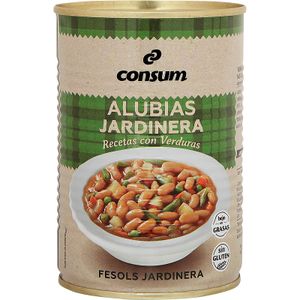
For example this is easily found in any supermarket in Spain for only €1.25: a canned bean, chickpea or lentil stew with veggies. Cheap, filling, and some protein too.

Also, how easy is it to find tofu in a regular supermarket? I haven't been to Turkey in 16 years, so I'm not sure how it changed.

Thank you!!

u/idiolectalism — 4 months ago
▲ 11 r/Accents

What gives me away? Non-native English speaker

Other non-native English speakers think I'm a native speaker, but it takes 10 seconds for a native one to clock me as non-native.

I don't sound native to myself, but I can't really pinpoint why.

https://voca.ro/1dmmRv84g06k

Here's me reading a Wikipedia entry on Taskmaster.

I have a degree in Linguistics so don't be afraid to go all IPA on me ^^

Edit: Thank you everyone for your feedback! I want to say I'm not losing sleep over this. Nobody (including myself) expects me to be accent-free, especially since I don't and have never lived in an English-speaking country. I am a huge language nerd though, and do use English on daily basis, so if there's something I can refine, why not?

Some people pointed out there's some Britishness in my pronunciation and that's completely right. Most of my life I've been exposed to American English through TV shows and movies, but a few years ago I became obsessed with British comedy and made a couple of British friends. So now I have a Frankenstein's English haha 😃

Most of you pointed out my cadence is off. I guess that's something that could get better with shadowing. Maybe that could also have an effect on my vowels!

reddit.com
u/idiolectalism — 5 months ago
▲ 3 r/soundtracks+1 crossposts

Mystery: Eerie use of "I can see clearly now" - in what TV show or movie?

I am currently watching You, Me and the Apocalypse which is obviously about the world ending and "I Can See Clearly Now" is the show's theme song.

But it's not the first time I hear this song used discordantly. I'm sure I have watched a TV show (or maybe a movie) that I think ends with a sort of catastrophe and people dying and this song was used for outro. Could be a dark comedy.

My brain has been searching for it but can't find it. Does anyone have any idea how to find it?

reddit.com
u/idiolectalism — 5 months ago