Our Newsletter is Out! Back-to-School Spending Is Breaking Records. Shoppers Still Want Deals
Welcome back to another edition of EcomWatch Weekly!
The World Cup is finally over, the weather is perfect for the beach, and summer is fully doing its thing.
But ecommerce is already looking ahead.
Back-to-school shopping is picking up early, retailers are preparing for what could be a record season, and shoppers are making it very clear that they are still willing to spend when the value is right.
The opportunity is there. The demand is there. But the brands that win will be the ones that understand how careful shoppers are right now.
This week
- Back-to-school spending is expected to break records.
- U.S. retail sales grew only 0.2% in June.
- HMRC wants Amazon and eBay to collect VAT from UK sellers.
- TikTok is moving deeper into the seller service layer.
- eBay accidentally showed private offer prices.
The Big Story
Back-to-School Spending Is About to Hit Record Highs
Back-to-school shopping is expected to be huge this year.
According to the National Retail Federation and Prosper Insights & Analytics, shoppers are expected to spend $43.3 billion on K–12 students, up from $39.4 billion last year.
College back-to-school spending is expected to reach $103.5 billion, passing $100 billion for the first time.
That sounds great for retailers.
And it is.
But it does not mean shoppers suddenly feel rich.
Shoppers Are Starting to Shop Earlier
Retailers like Target, Walmart, and Kohl’s have already started back-to-school promotions.
According to the survey, 62% of consumers had already started back-to-school shopping by early July.
Another 54% said they bought school supplies during recent sales like Amazon Prime Day, Target Circle Deal Days, and similar events.
So back-to-school is no longer just an August rush, rather its a summer-long deal hunt.
Read the full story on ecomwatch.com
Weekly Metric
U.S. Retail Sales Grew Just 0.2% in June
U.S. retail sales grew 0.2% in June compared with May. Economists had expected slightly stronger growth of 0.3%.
Retail sales were expected to grow slightly more, and some categories looked weak.
Pharmacy, grocery, and apparel declined. Furniture and home furnishings were flat. Even bars and restaurants only grew 0.1%, despite the World Cup starting in June.
The better news for online sellers is that nonstore retailers, which include ecommerce merchants, grew 1.9%.
But even that needs context.
Amazon Prime Day moved into June this year, so some of that growth may have been pulled forward by a major sales event.
In other words, ecommerce did well, but part of the bump may have come from shoppers waiting for deals.
Read the full story on ecomwatch.com
Tool of the Week
ImageKit Creative Automation
ImageKit launched Creative Automation, a tool for producing on-brand ecommerce visuals at scale.
That matters right now because back-to-school requires multiple campaigns.
Parents need school supplies. College students need electronics. Dorm shoppers need storage. Retailers need banners, product images, social posts, paid ads, email graphics, and last-minute promo variations.
Doing all of that manually gets slow very fast.
ImageKit’s tool uses reusable templates so teams can create campaign visuals, catalog images, ecommerce promotions, and performance marketing variations without rebuilding every asset from scratch.
If your back-to-school campaign needs ten versions of the same offer for ten channels, creative automation is how you avoid spending the whole season resizing banners.
Winning SKU of the Week
Gamified Learning
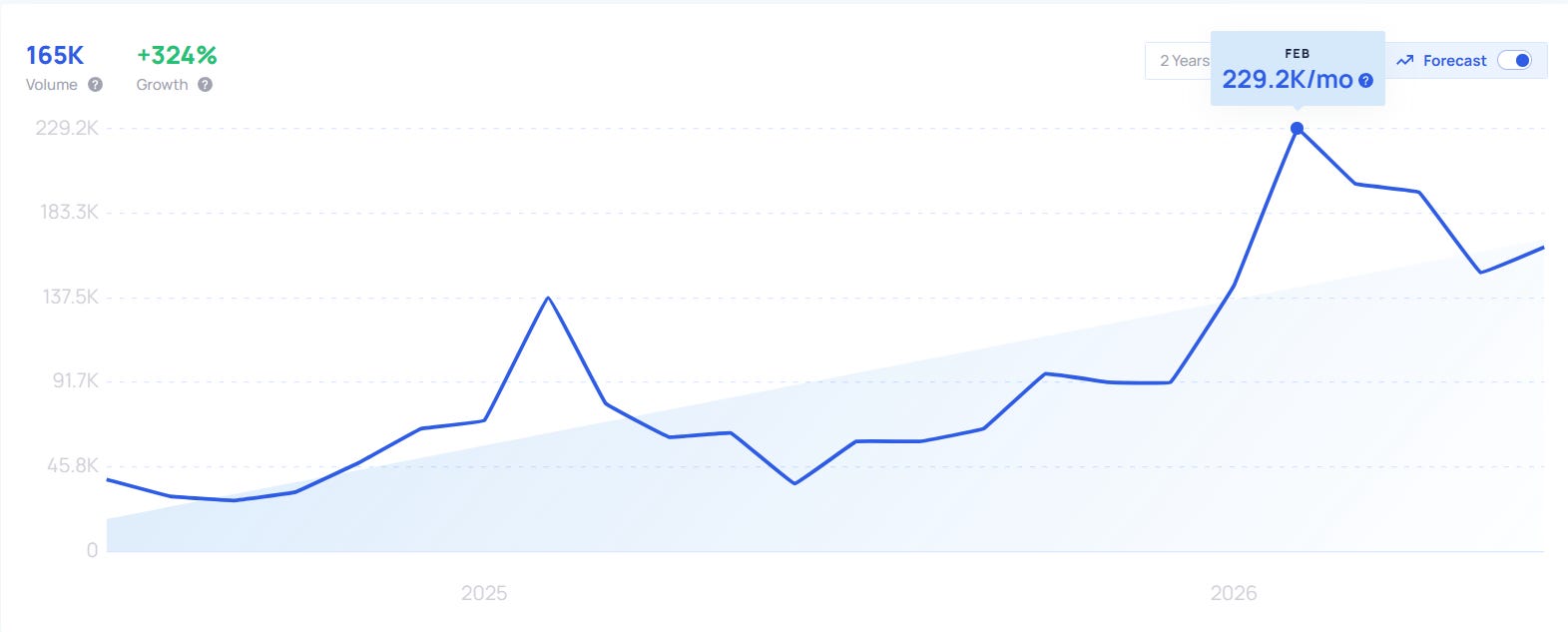
Exploding Topics lists Gamified Learning at 2.4K search volume with +454% growth.
Gamified learning represents educational products that use game mechanics to make learning more engaging.
It consists of points, badges, levels, streaks, leaderboards, rewards, challenges, and progress tracking.
It’s basically homework, but with fewer signs of emotional collapse.
Why Sellers Should Pay Attention to It
Gamified learning works because it speaks to three buyers at once.
- Parents want better learning outcomes.
- Teachers want more engagement.
- Students want something that does not feel like staring at a worksheet until time stops.
That makes the category easy to explain and easy to market during back-to-school.
Back-to-school shoppers are already spending. Gamified learning gives sellers a way to connect education, entertainment, and parent guilt in one very marketable package.
Boring But Important
- HMRC wants Amazon and eBay to collect VAT from UK sellers. If marketplaces become responsible for more tax collection, sellers may get less control but fewer excuses.
- Brands are flooding US ports before another tariff deadline. Importers are pulling inventory forward because waiting could make goods more expensive.
- UK online grocery is consolidating around one technology provider. Efficiency is useful, but too much dependence on one provider can become its own risk.
- The Netherlands caught Amazon and Bol using discounts from prices that never existed. If the “original price” was never real, the discount is not a discount. It is theater.
The Watchlist
- TikTok is now competing with the agencies that run TikTok Shops. The platform is moving deeper into the service layer, which should make every partner and seller pay attention.
- Asia Pacific shoppers use AI to shop but will not let it buy for them. Consumers want AI help with discovery, but they are not ready to hand over the checkout button.
- UK shoppers want personalization but will not help you build it. Customers want better experiences, but they do not want to give brands more data to make them happen.
Honorable Mention
Built
Built is a direct-to-consumer footwear brand selling shoes online.
Shoes are one of the big categories families spend on every year, and brands that can make the purchase feel practical, stylish, and reasonably priced have a real window.
Built recently raised $2 million, which shows there is still investor interest in D2C brands that can own a specific everyday category.
When shoppers are watching every dollar, footwear brands need to make the value obvious: comfort, durability, price, delivery, and returns.
That’s all for this week.
I’m going to go pretend I’m not already seeing back-to-school displays in stores while it still feels like a full beach season outside. Nothing says “enjoy summer” like a wall of notebooks reminding everyone that September is getting closer and all the warmth will go away with it.
Anyway, shoppers are spending, but they’re being careful. Make the value clear, don’t make checkout annoying, and please don’t make people decode a fake discount.
Enjoy the sun while it lasts, and we’ll be back next Monday.